Seeing your dog limp again after knee surgery can be upsetting, especially when you thought the hardest part of recovery was over. If your dog has undergone tibial plateau leveling osteotomy (TPLO), you may wonder whether the same ligament can tear again or whether something else is causing the pain.
The reassuring news is that TPLO changes how the knee functions, reducing its dependence on the damaged ligament. However, dogs can still develop knee problems after surgery. Understanding the possible causes of renewed limping can help you recognize when your dog needs veterinary attention. At our veterinary practice in Bettendorf, we believe that knowing what to watch for helps pet owners make informed decisions about their dogs’ mobility and long-term comfort.
Can a Dog Tear Its ACL Again After TPLO?
A dog can develop another knee injury after TPLO, but a repeat ACL tear is not usually the reason for renewed limping. The surgery changes the angle of the tibia to reduce abnormal forward movement during weight-bearing.
In dogs, the ligament commonly called the ACL is technically known as the cranial cruciate ligament (CCL). This ligament helps stabilize the knee joint, also called the stifle.
TPLO does not repair or replace the damaged ligament. Instead, it changes the mechanics of the knee so the dog can walk more comfortably without relying on that ligament for the same degree of stability.
If the CCL was already completely torn, it cannot tear again in the same way. However, if part of the ligament remained intact, those fibers may deteriorate over time.
More importantly, renewed limping can indicate other complications that require veterinary evaluation.
Why Might a Dog Start Limping Again After TPLO?
Several conditions can cause discomfort after TPLO surgery. Some develop during recovery, while others appear months or years later.
Meniscal Injury
The meniscus is a cartilage structure inside the knee that cushions the joint and helps distribute weight.
Dogs with cruciate ligament injuries may also have meniscal damage. Sometimes, a meniscal tear develops or becomes apparent after surgery.
Possible symptoms include:
- Sudden limping after a period of improvement
- Pain when bending or straightening the knee
- Difficulty placing weight on the affected leg
- Clicking or popping sensations around the joint
A meniscal injury may require additional treatment, depending on its severity.
Arthritis Progression
Many dogs already have some degree of arthritis when they undergo cruciate ligament surgery.
Although TPLO improves joint stability, it does not eliminate existing arthritis or completely prevent its progression.
Arthritis-related discomfort may cause:
- Stiffness after resting
- Difficulty getting up
- Reduced interest in walking or playing
- Limping that becomes more noticeable after activity
Our vets may recommend weight management, controlled exercise, medication, or rehabilitation to help manage joint discomfort.
Implant-Related Complications
TPLO involves placing a metal plate and screws along the tibia to stabilize the bone while it heals.
Although complications are uncommon, problems can occur with the surgical implants.
These may include:
- Infection around the surgical site or implants
- Implant loosening or failure
- Irritation involving surrounding tissues
- Delayed bone healing
Persistent swelling, pain, or drainage near the surgical site requires prompt veterinary attention.
Excessive Activity During Recovery
Dogs often begin feeling more comfortable before their bones have completely healed. Running, jumping, climbing stairs, or playing too aggressively during recovery can place unnecessary stress on the healing leg.
This may cause inflammation, discomfort, or complications involving the healing bone and implants. Following your veterinarian’s activity restrictions is important, even when your dog appears ready to resume normal activities.
Injury to the Opposite Knee
Dogs with a CCL injury in one knee have an increased risk of developing the same condition in the opposite knee. Some dogs develop a second cruciate ligament injury within months or years of their first surgery.
If your dog starts limping again, the discomfort may be coming from the opposite leg rather than the previously operated knee. A veterinary examination can help identify which joint is causing the problem.
How Can You Tell Whether Your Dog Has Reinjured Its Knee?
Dogs cannot explain where they feel pain, but changes in movement and behavior may indicate a problem.
Watch for these warning signs:
- Sudden limping: Your dog begins favoring a leg after previously walking normally.
- Difficulty standing: Getting up from a lying position becomes uncomfortable.
- Reduced activity: Your dog avoids walks, stairs, or activities it previously enjoyed.
- Knee swelling: The affected joint appears enlarged or feels unusually warm.
- Weight shifting: Your dog consistently places more weight on the opposite leg.
- Behavior changes: Your dog becomes restless, withdrawn, or sensitive when the leg is touched.
Not every episode of limping means another serious injury has occurred. However, persistent or worsening symptoms should not be ignored.
If your dog cannot bear weight, develops marked swelling, or appears severely painful, contact a veterinarian promptly.
How Do Veterinarians Diagnose Knee Problems After TPLO?
Determining why a dog is limping after surgery requires more than observing how it walks. Our veterinary team may recommend several steps to identify the source of discomfort.
Physical Examination
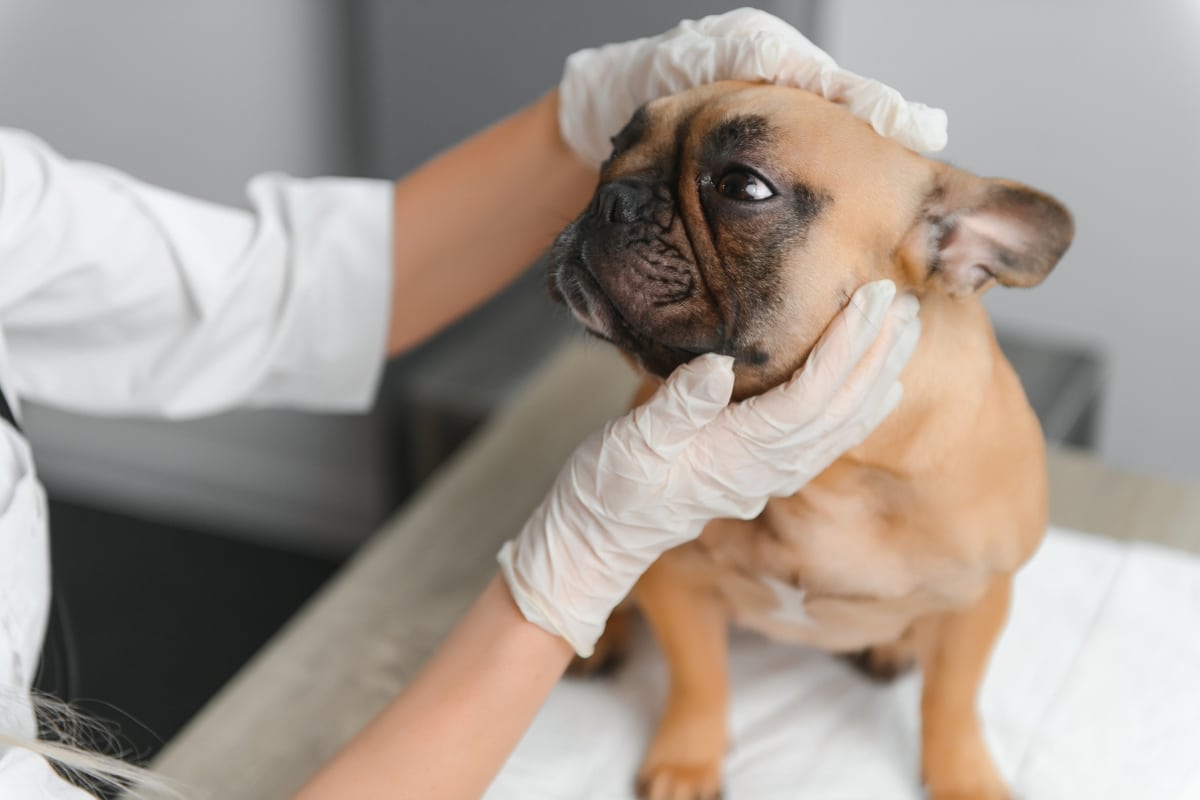
A veterinarian examines the affected leg, checks the knee’s range of motion, and evaluates joint stability. The examination may also include the hips, ankles, and opposite knee because discomfort can originate elsewhere.
Diagnostic X-Rays
X-rays help veterinarians assess bone healing, implant positioning, and arthritic changes. They can also reveal certain complications involving the tibia or surgical hardware. However, X-rays cannot directly show every soft tissue injury, including meniscal tears.
Additional Diagnostic Testing
If a meniscal injury or another soft tissue problem is suspected, further evaluation may be necessary. Depending on the findings, the veterinarian may recommend additional imaging, orthopedic consultation, or surgical assessment. The goal is to identify the actual cause of the symptoms before recommending treatment.
TPLO vs Lateral Suture: Does the Procedure Affect Reinjury Risk?
When discussing surgical options for CCL injuries, pet owners often compare these procedures.
Both aim to improve knee stability, but they work differently.
| TPLO | Lateral Suture |
| Changes the angle of the tibial plateau | Uses a strong suture outside the joint to limit abnormal movement |
| Requires a controlled bone cut and fixation plate | Does not require a tibial osteotomy |
| Commonly considered for active and larger dogs | Often considered for selected smaller or less active dogs |
| Requires bone healing during recovery | Relies on developing tissue support as healing progresses |
How Long Does It Take for a Dog to Fully Recover From TPLO?
Most dogs require approximately 8 to 12 weeks of carefully restricted activity during the initial healing period. Returning to unrestricted activity may take several months, depending on bone healing and rehabilitation progress.
Recovery generally involves three stages.
Early Recovery: Weeks 1–2
During the first two weeks, the primary goals are protecting the surgical site, controlling discomfort, and preventing excessive movement.
Your dog may need:
- Short, leash-controlled bathroom breaks
- Medication as prescribed
- A comfortable, non-slip resting area
- Protection against licking the incision
- Close monitoring for swelling or discharge
Bone Healing: Weeks 3–8
As healing progresses, some dogs begin placing more weight on the operated leg. However, activity restrictions remain important. Follow-up examinations and X-rays help determine whether the bone is healing as expected.
Strength and Mobility Recovery: Weeks 9–12 and Beyond
Once sufficient healing has been confirmed, the veterinarian may gradually increase your dog’s activity. Controlled exercise and rehabilitation can help rebuild muscle strength and improve mobility.
Some dogs need longer recovery periods, particularly if they have arthritis, additional injuries, or healing complications. Never increase your dog’s exercise based only on how comfortable it appears. Follow the activity plan provided by the surgical team.
How Can You Reduce the Risk of Knee Problems After TPLO?
Although not every complication is preventable, certain habits can help protect your dog’s joints after surgery.
Maintain a Healthy Body Weight
Excess weight places additional pressure on the knees and surrounding joints. Keeping your dog at an appropriate weight can reduce joint stress and help manage arthritis-related discomfort.
Follow the Rehabilitation Plan
Rehabilitation helps restore muscle strength, balance, and controlled movement. Depending on your dog’s recovery, your veterinarian may recommend leash walks, guided exercises, or professional physical rehabilitation.
Prevent Slips and Sudden Movements
Slippery floors, uncontrolled jumping, and rough play can increase the risk of injury. Use non-slip rugs, restrict access to stairs when necessary, and supervise activity during recovery.
Attend Follow-Up Appointments
Regular postoperative evaluations help veterinarians assess healing and identify complications. Even after recovery, new stiffness or limping deserves attention.
Frequently Asked Questions
Q1. Can a dog tear its ACL again years after TPLO?
Ans. If the original ligament was completely torn, it cannot tear again. However, dogs may develop meniscal injuries, arthritis-related pain, or other orthopedic problems years after surgery. New limping should be evaluated to determine the cause.
Q2. What happens if my dog starts limping six months after TPLO?
Ans. Limping six months after surgery may indicate arthritis, meniscal damage, an implant-related complication, or another injury. Restrict strenuous activity and contact your veterinarian. An examination and X-rays may help identify the problem.
Q3. Does a dog need another surgery if it develops knee pain after TPLO?
Ans. Not necessarily. Some conditions respond to medication, weight management, and rehabilitation. Others, including certain meniscal injuries or implant complications, may require another procedure. Treatment depends on the diagnosis.
Q4. Where can I take my dog for knee pain after TPLO in Bettendorf?
Ans. Maplewood Veterinary Center provides orthopedic care for dogs in Bettendorf, including evaluation and treatment of cruciate ligament injuries. Our vets can examine your dog’s mobility, assess possible causes of discomfort, and discuss appropriate treatment options.
Q5. Can Maplewood Veterinary Center help if my dog needs another orthopedic procedure?
Ans. Yes. Maplewood Veterinary Center offers orthopedic surgery services in Bettendorf, including cruciate ligament procedures, patellar luxation correction, and fracture repair. Our veterinary team can evaluate your dog’s condition and determine whether further surgical treatment is appropriate.
Q6. How can I arrange a TPLO consultation for my dog in Bettendorf?
Ans. Contact Maplewood Veterinary Center to discuss your dog’s symptoms and arrange an orthopedic consultation. Our vets can review your dog’s medical history, examine the affected leg, and explain the next steps for diagnosis and treatment.