If you are looking for Orthopedic Surgery for your pet, please call us today at 563-888-5850
8 weeks ago, I had a consultation with Dr. Matt, for my 5-year-old Husky/Lab. Cinder had a Cruciate....
Read Full Story
TPLO Surgery in Bettendorf, IA
At Maplewood Veterinary Center, we routinely perform advanced orthopedic procedures including cranial cruciate ligament (CCL/ACL) repair, patellar luxation correction, and fracture repair surgery. Many veterinary clinics refer orthopedic cases because these procedures require advanced training and specialized surgical instrumentation. Our team is highly experienced and fully equipped to diagnose and treat a wide range of orthopedic conditions. If your pet is experiencing hip dysplasia, arthritis, joint pain, mobility issues, or other musculoskeletal concerns, we are here to help guide you through diagnosis, treatment, and recovery options.
What is TPLO Surgery?
TPLO surgery is designed to stabilize the knee (stifle joint) following a CCL rupture. Instead of replacing the torn ligament, the procedure alters the biomechanics of the knee to eliminate the need for the ligament altogether. By leveling the tibial plateau, the surgeon creates a more stable joint, reducing pain and preventing further damage from arthritis.
This procedure is considered the gold standard for active dogs and is often the most successful method for restoring mobility and quality of life.
From Our Patients
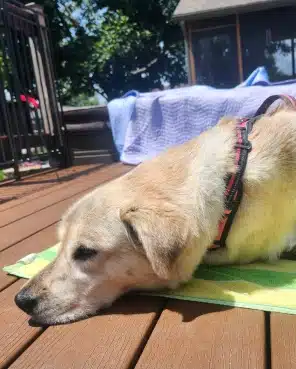
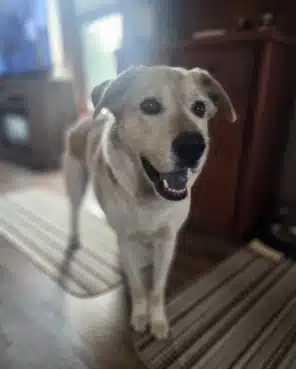
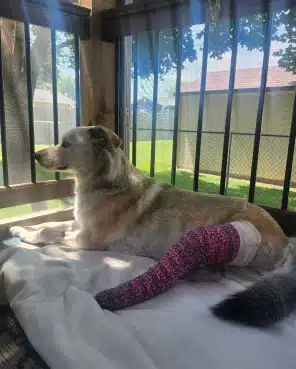
8 weeks ago, I had a consultation with Dr. Matt, for my 5-year-old Husky/Lab. Cinder had a Cruciate Ligament injury with probable meniscus involvement as well. I was quite nervous about putting my dog through this surgery, but Dr. Matt and his staff took the time I needed to answer questions and gave me the reassurance I needed to make my decision.
Dropping Cinder off the morning of surgery was hard, not only for her, but also for me. Once again, the kindness, and compassion shown to us were exceptional. I was able to talk to the techs after surgery and was sent pictures they took throughout the process. Knowing I was worried about how she would do staying the night, they even took the time to send me a video of them walking her out to the bathroom and tucking her in for the night. That meant so much!
I am very happy to say that Cinder is doing amazing because of Dr. Matt, and the amazing team at Maplewood Vet!
Before the Procedure
Prior to surgery, our veterinary team will take precise digital X-rays to plan the operation. Your pet will undergo a thorough pre-surgical assessment, including bloodwork and imaging.
During the operation, the surgeon will inspect the knee joint either directly or using minimally invasive arthroscopy. Any remnants of the torn ligament are removed, and the meniscus—a cartilage cushion in the knee—is carefully examined. If the meniscus is torn, damaged portions are removed. If it’s intact, a preventive meniscal release may be performed to protect it from future injury.
During the Surgery
The TPLO procedure involves:
- Cutting and rotating the tibial plateau to reduce its natural slope
- Repositioning the bone to a more level angle (around 5 degrees)
- Securing the new position using a specialized titanium plates and screws
This realignment stabilizes the joint, allowing your dog to walk without the painful instability caused by a torn CCL.
After the Procedure
Following surgery:
- Post-operative X-rays are taken to confirm the corrected tibial angle and placement of the implants
- A bandage is applied to protect the incision site
Most dogs stay overnight for monitoring, pain control, and supportive care. Your dog will be discharged with pain medication, antibiotics, and detailed recovery instructions.
Why TPLO May Be Necessary
TPLO is typically recommended when the benefits of restoring your dog’s mobility outweigh the risks of surgery. Without surgical intervention, a torn CCL can lead to progressive joint instability, chronic pain, and debilitating arthritis. It is particularly indicated for dogs with a complete rupture or clear signs of persistent lameness and joint instability.
Recovery & Rehabilitation
The recovery period is just as important as the surgery itself. Most dogs need 8–12 weeks of restricted activity to allow proper healing of the bone and joint. A structured rehabilitation plan—often including controlled leash walks, physical therapy, and at-home exercises—can significantly improve recovery outcomes.
You’ll also have follow-up visits to monitor healing and adjust your dog’s recovery plan as needed. While recovery timelines vary based on your dog’s age, health, and activity level, most pets are back to enjoying life in about 2 months.
Veterinary Pet Surgery in Bettendorf, IA
Maplewood Veterinary Center provides veterinary surgical care and services for cats and dogs. Using state-of-the-art equipment and an experienced team, we’ll provide your pet with high-quality surgery in a safe, stress-free and relaxing environment.
Frequently Asked Questions
At Maplewood Veterinary Center, we perform routine orthopedic surgeries, including cranial cruciate ligament (ACL) surgery, patellar luxation (slipped kneecap) surgery, and fracture repair. We also specialize in TPLO surgery for dogs with CCL injuries. We are one of the few clinics in Bettendorf that offer orthopedic treatments, as other facilities lack the experience and/or instrumentation. We're also happy to address any concerns about hip dysplasia, arthritis, and other joint conditions.