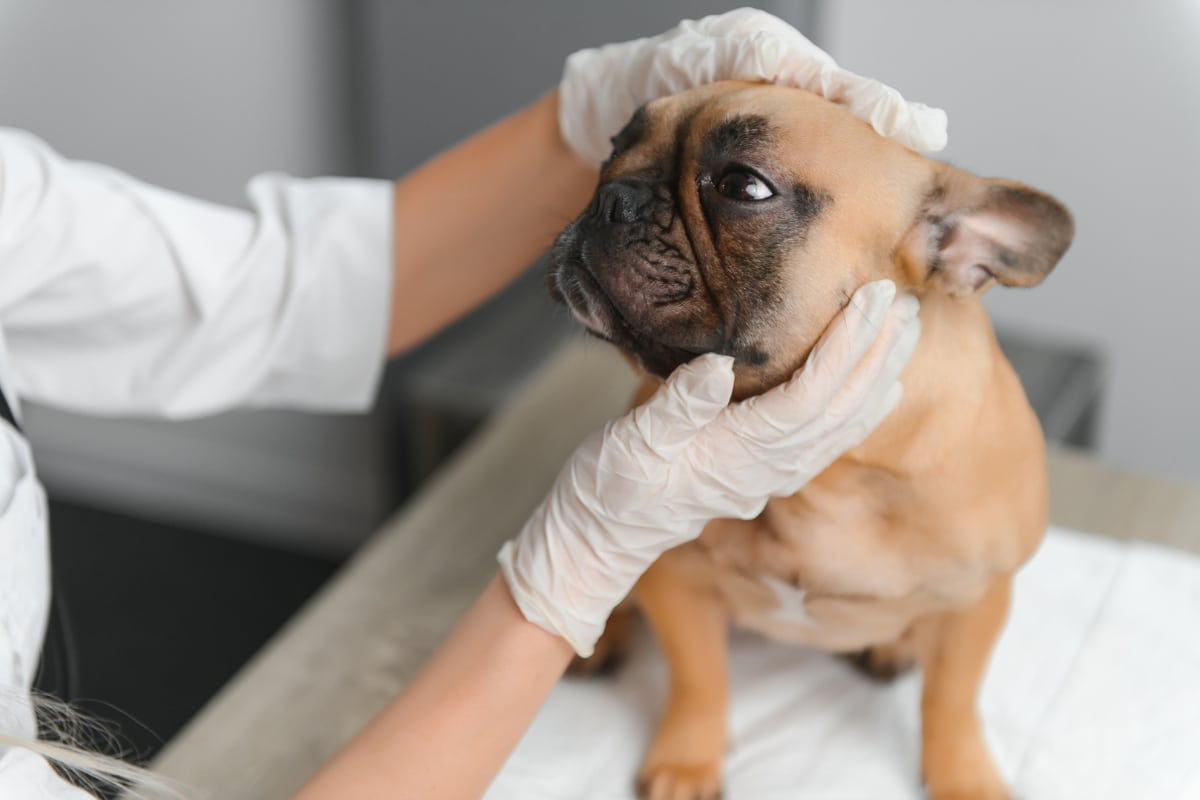

Toy breeds may be small in size, but their bones and joints can still face significant stress. A short jump from a couch, an awkward landing, or a slip on a smooth floor can sometimes result in an injury that requires veterinary attention. Because small dogs have delicate limbs and relatively fine bones, pet owners should take changes in movement seriously.
Common bone and joint conditions in toy breeds include patellar luxation, fractures, hip problems, ligament injuries, and arthritis. Early recognition can make a meaningful difference in treatment and recovery. Maplewood Veterinary Center helps pet owners understand the signs of orthopedic problems and the steps that can support safer movement and long-term joint health.
Why Toy Breeds Are Vulnerable to Orthopedic Problems
Toy dogs often have smaller bones and joints that can be more susceptible to injury. Their compact bodies also mean that even a short fall can create substantial impact relative to their size.
Additionally, many toy breeds have anatomical characteristics that increase their risk of specific orthopedic conditions. Some are predisposed to kneecap problems, while others may experience fragile bones, hip abnormalities, or ligament injuries.
However, genetics are only part of the picture. A dog’s age, weight, activity level, home environment, previous injuries, and overall health can also influence orthopedic health.
Common Bone and Joint Problems in Toy Breeds
1. Patellar Luxation
Patellar luxation occurs when the kneecap moves out of its normal position. It is particularly common in small and toy breeds.
A dog with a luxating patella may occasionally skip, hop, or hold up one hind leg for several steps before returning to normal movement. Some dogs show only intermittent symptoms, while others develop persistent lameness or discomfort.
Mild cases may be monitored, while more significant cases can require medical or surgical treatment. Your veterinarian can determine the severity through a physical examination and recommend an appropriate treatment plan.
2. Fractures
Fractures are a significant concern in toy breeds because their small limbs can be injured by falls, accidental impacts, or inappropriate handling.
Common situations that can lead to fractures include:
- Jumping from furniture
- Falling down stairs
- Getting stepped on accidentally
- Being dropped
- Rough play with larger dogs
- Getting caught between household objects
A fractured limb may cause sudden pain, swelling, inability to bear weight, or an unusual limb position. Do not attempt to straighten or manipulate an injured leg. Instead, keep your dog as still as possible and seek veterinary care promptly.
3. Cranial Cruciate Ligament Injuries
The cranial cruciate ligament helps stabilize the knee. Although these injuries are often associated with larger dogs, small breeds can also develop cruciate ligament problems.
A dog may suddenly become lame, have difficulty standing, or avoid putting weight on a hind leg. In some cases, the injury develops gradually rather than following a single obvious accident.
Treatment depends on factors such as the dog’s size, activity level, knee stability, degree of injury, and overall health. Some dogs may receive conservative treatment, while others may benefit from surgical intervention. Procedures such as TPLO surgery may be considered in selected cases when surgical stabilization is appropriate.
4. Hip Dysplasia
Hip dysplasia occurs when the hip joint does not develop or function normally. While it is more commonly associated with larger breeds, small dogs can also experience hip abnormalities.
Possible signs include:
- Difficulty getting up
- Reluctance to climb stairs
- Reduced willingness to play
- Hind-leg stiffness
- Changes in walking
- Discomfort after activity
Veterinary evaluation can help determine whether hip abnormalities are contributing to these symptoms.
5. Osteoarthritis
Arthritis can affect dogs of any size, particularly as they age or after previous joint injuries.
A small dog with arthritis may become less active, hesitate before jumping, sleep more, or take longer to get up after resting. Some dogs may also become less tolerant of handling because movement has become uncomfortable.
Although arthritis cannot always be reversed, appropriate weight management, exercise, pain management, environmental changes, and other veterinary treatments can help maintain mobility and quality of life.
6. Legg-Calvé-Perthes Disease
Legg-Calvé-Perthes disease affects the hip joint and is seen primarily in young, small-breed dogs. The condition involves a disruption of blood supply to part of the femoral head, which can lead to bone deterioration.
Affected dogs may develop progressive hind-leg lameness and discomfort. Early veterinary assessment is important because treatment depends on the severity of the condition and the individual dog’s needs.
Signs Your Toy Breed May Have a Bone or Joint Problem
Dogs cannot explain where they hurt, so subtle changes in behavior and movement deserve attention.
Watch for:
- Limping or intermittent skipping
- Reluctance to climb stairs
- Difficulty jumping onto furniture
- Stiffness after resting
- Decreased interest in play
- Difficulty standing
- Holding a limb off the ground
- Whining when touched
- Changes in posture
- Reduced activity
- Sudden changes in gait
Not every orthopedic condition causes obvious pain. Therefore, a recurring change in movement should be evaluated even if your dog otherwise appears comfortable.
How Veterinarians Diagnose Orthopedic Problems
A veterinary orthopedic evaluation generally begins with a detailed history and physical examination. Your veterinarian may assess your dog’s gait, posture, joints, muscle condition, and range of motion.
Depending on the suspected problem, diagnostic imaging may also be recommended. X-rays can help identify fractures, arthritis, certain joint abnormalities, and other bone changes. Additional imaging may be appropriate for selected soft-tissue or complex orthopedic conditions.
Early diagnosis can help determine whether conservative management, rehabilitation, medication, monitoring, or surgery is appropriate.
Preventing Injuries in Small Dogs at Home
You cannot prevent every orthopedic injury, but you can reduce common household risks.
Reduce Jumping
Toy dogs often jump from couches, beds, and other elevated surfaces. Consider using pet steps or ramps where appropriate, or prevent access to high furniture.
Improve Traction
Smooth flooring can increase the risk of slipping. Place nonslip rugs or mats in areas where your dog frequently walks.
Manage Stair Access
Young, excitable, or mobility-compromised small dogs may benefit from restricted stair access. Pet gates can help prevent unexpected falls.
Maintain a Healthy Weight
Even modest excess weight can increase stress on a small dog’s joints. Feed appropriate portions and account for treats when considering daily calorie intake.
Encourage Controlled Activity
Regular, age-appropriate exercise helps support muscle condition and mobility. However, avoid activities that involve repeated high-impact jumping or uncontrolled running.
Nutrition and Joint Health
Good nutrition supports healthy bones, muscles, and connective tissues. Puppies need diets formulated for growth, while adult and senior dogs require nutrition appropriate for their life stage and activity level.
Avoid giving supplements solely because your dog is a certain breed or age. Some supplements may be appropriate for individual dogs, but their use should be discussed with a veterinarian, particularly if your pet takes medications or has an underlying health condition.
Body condition also matters. Keeping your dog at an appropriate weight can reduce unnecessary stress on vulnerable joints.
What to Expect During Orthopedic Treatment
Treatment varies significantly depending on the diagnosis. A minor injury may require rest and activity restriction, while a fracture or advanced joint condition may require more intensive care.
Some dogs benefit from rehabilitation exercises, controlled leash walking, physical therapy, medication, or weight management. Others may need surgical treatment followed by a structured recovery period.
After treatment, follow activity restrictions carefully. Small dogs can feel better before their bones, ligaments, or joints have fully recovered. Allowing unrestricted activity too early can delay healing or contribute to reinjury.
Supporting Recovery at Home
A supportive home environment can make recovery easier. Provide a comfortable resting area on a stable surface and keep essential items such as food and water within easy reach when mobility is limited.
Follow your veterinarian’s instructions regarding exercise, medication, bandage care, and follow-up visits. If your dog suddenly becomes more lame, develops swelling, stops using a limb, or appears significantly more painful, contact your veterinary team.
For local pet owners, Maplewood Veterinary Center can help evaluate changes in mobility and determine when further orthopedic assessment may be appropriate.
When Should You Contact a Veterinarian?
Seek prompt veterinary attention after a significant fall, suspected fracture, sudden inability to bear weight, severe pain, or visible limb deformity.
For less dramatic symptoms, schedule an examination when limping, skipping, stiffness, or reluctance to move continues or repeatedly returns.
Do not assume that intermittent symptoms are harmless. Some orthopedic conditions begin with occasional changes in movement and become more noticeable as the condition progresses.
Toy breeds may be small, but their orthopedic needs deserve serious attention. Patellar luxation, fractures, ligament injuries, hip conditions, arthritis, and other bone and joint problems can affect their comfort and mobility. Fortunately, recognizing early warning signs, maintaining a healthy weight, reducing household hazards, and seeking timely veterinary care can support better outcomes.
When a small dog develops persistent lameness, difficulty moving, or sudden pain, professional evaluation is the safest approach. Schedule your appointment with Maplewood Veterinary Center to discuss changes in your dog’s mobility, joint health, or orthopedic concerns.
Frequently Asked Questions
Q1. Why do toy dogs get leg injuries so easily?
Ans: Toy breeds have small, relatively delicate bones, and falls or impacts can place substantial stress on their limbs. Certain breeds also have genetic or anatomical tendencies toward specific orthopedic conditions.
Q2. Is patellar luxation common in small dogs?
Ans: Yes. Patellar luxation is frequently diagnosed in small and toy breeds. Some dogs have mild, intermittent symptoms, while others develop persistent lameness or joint problems that require treatment.
Q3. Can a small dog break a bone from jumping off a couch?
Ans: Yes. A fall from furniture can cause fractures in some toy breeds, particularly when they land awkwardly or have fragile bones. Preventing repeated high-impact jumps can reduce this risk.
Q4. What should I do if my small dog suddenly starts limping?
Ans: Restrict activity and prevent running or jumping. If the lameness is severe, follows an injury, or your dog cannot bear weight, seek veterinary care promptly. Persistent or recurring limping also warrants an examination.
Q5. Can arthritis affect toy breeds?
Ans: Yes. Small dogs can develop arthritis, particularly as they age or after previous joint injuries. Stiffness, reduced activity, difficulty rising, and reluctance to jump may indicate joint discomfort.
Q6. How can I protect my toy dog’s joints at home?
Ans: Reduce high-impact jumping, improve traction on slippery floors, manage stair access, maintain a healthy body weight, and provide regular age-appropriate exercise. Routine veterinary examinations can also help identify orthopedic concerns early.