
Hip problems can significantly affect a dog’s comfort, mobility, and quality of life. A dog with severe hip dysplasia or advanced hip joint disease may struggle to walk, climb stairs, exercise, or even stand comfortably. When medications, weight management, physical rehabilitation, and other conservative treatments no longer provide adequate relief, total hip replacement may become an option.
But is hip replacement surgery worth it for dogs?
For some dogs, particularly those with severe hip disease and significant pain, total hip replacement can provide substantial improvement in mobility and comfort. However, it is a major procedure that involves financial considerations, recovery time, potential complications, and careful postoperative management.
Understanding the benefits, risks, alternatives, and factors that influence the outcome can help pet owners have a more informed discussion with their veterinary team.
What Is a Total Hip Replacement in Dogs?
A total hip replacement, often abbreviated as THR, is a surgical procedure that replaces the damaged components of a dog’s hip joint with artificial implants.
The normal canine hip is a ball-and-socket joint. The rounded head of the femur fits into the socket of the pelvis, allowing the leg to move smoothly.
With conditions such as severe hip dysplasia, the joint may develop abnormally. Over time, abnormal movement can contribute to cartilage damage, inflammation, pain, and arthritis.
During total hip replacement, the damaged femoral head and neck are replaced with an artificial component, while the damaged portion of the hip socket is replaced with a prosthetic cup.
The goal is to restore a functional joint and reduce pain.
Why Might a Dog Need Hip Replacement Surgery?
Hip replacement is generally considered for dogs with significant hip disease that affects their quality of life.
Potential reasons include:
- Severe hip dysplasia
- Advanced degenerative joint disease
- Chronic hip pain
- Significant loss of mobility
- Poor response to medical management
- Difficulty performing normal daily activities
Not every dog with hip dysplasia needs surgery. Many dogs can live comfortably for years with appropriate weight management, medication, controlled exercise, rehabilitation, and other treatments.
Hip replacement is generally considered when the expected benefits outweigh the risks and when other approaches are no longer providing an acceptable quality of life.
What Are the Benefits of Hip Replacement for Dogs?
The primary goal of hip replacement is to reduce pain and improve function.
1. Significant Pain Relief
Severe hip disease can cause chronic discomfort. Replacing the damaged joint can eliminate much of the painful contact and abnormal movement associated with the diseased hip.
For an appropriate surgical candidate, pain relief can be one of the most meaningful benefits.
2. Improved Mobility
A successful hip replacement may allow a dog to walk more comfortably and perform activities that previously caused difficulty.
Depending on the individual dog and recovery process, improvements may include:
- Easier walking
- Better ability to climb stairs
- Increased willingness to play
- Improved ability to rise and lie down
- Greater tolerance for controlled exercise
3. Better Quality of Life
Pain can affect much more than physical movement. Dogs experiencing chronic discomfort may become less interactive, less playful, or reluctant to participate in family activities.
Improved mobility can allow a dog to return to a more active and comfortable lifestyle.
4. Potentially Reduced Reliance on Long-Term Pain Medication
Some dogs require long-term medications to manage chronic arthritis pain. Although medication can be highly beneficial, prolonged treatment may require monitoring for potential side effects.
A successful joint replacement may reduce the need for ongoing pain-management medication in some dogs.
However, owners should never stop or change prescribed medications without veterinary guidance.
What Are the Risks of Hip Replacement Surgery?
Like every major surgical procedure, total hip replacement has potential complications.
Infection
An infection involving an artificial joint can be a serious complication. Veterinary teams use sterile surgical techniques and perioperative protocols to reduce this risk.
Owners also need to carefully follow postoperative instructions.
Implant Luxation
Luxation occurs when the artificial ball becomes displaced from the socket.
This risk is particularly important during the early recovery period when the surrounding tissues are healing.
Careful activity restriction can help protect the joint during this vulnerable stage.
Implant Loosening
Over time, an implant can potentially become loose. This may cause discomfort or reduced function and could require additional treatment.
Fracture
Fractures around the implant can occur, although they are not among the most common complications.
Nerve Injury
Nerve damage is another potential surgical complication, although it is relatively uncommon.
Need for Additional Surgery
In some cases, complications may require revision surgery or another intervention.
These risks should be discussed with the veterinary surgeon before the procedure so owners understand both the potential benefits and limitations.
Is Hip Replacement Safe for Dogs?
When performed on an appropriately selected patient by a qualified veterinary surgical team, total hip replacement can have favorable outcomes. However, no surgery is completely risk-free.
A dog’s overall health, age, weight, anatomy, severity of disease, surgical technique, postoperative care, and owner compliance can all influence the outcome.
Preoperative evaluation is therefore important.
Your veterinarian may recommend blood testing, orthopedic examination, imaging, and other assessments before determining whether hip replacement is appropriate.
What Happens Before Hip Replacement Surgery?
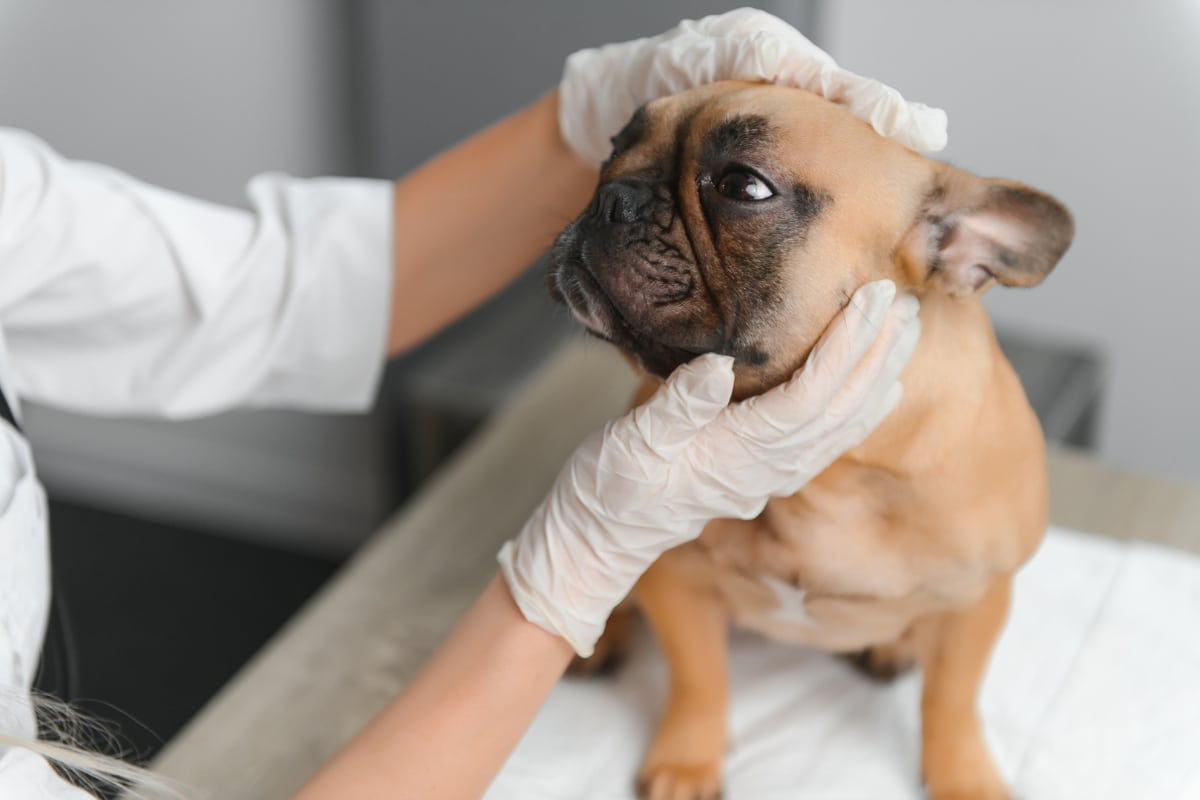
The process usually begins with a detailed orthopedic evaluation.
Your veterinary team will assess:
- Pain level
- Range of motion
- Walking pattern
- Muscle condition
- Hip stability
- Overall health
- Previous treatments
- Quality of life
Diagnostic imaging is also important. Radiographs can help evaluate the hip joint and determine whether replacement may be appropriate.
The veterinary surgeon may also evaluate the opposite hip because hip dysplasia frequently affects both sides.
A complete health assessment helps identify conditions that could increase anesthesia or surgical risks.
What Is Recovery Like After Dog Hip Replacement?
Recovery is an essential part of the procedure.
Even a technically successful surgery can have a poor outcome if a dog is allowed to exercise too much too soon.
During the initial recovery period, owners may need to:
- Restrict running
- Prevent jumping
- Limit stair use
- Use controlled leash walks
- Provide a secure resting area
- Follow medication instructions
- Prevent access to slippery surfaces
- Monitor the surgical site
Your veterinarian will provide specific instructions based on the procedure and individual patient.
Some dogs may also benefit from physical rehabilitation as healing progresses.
Why Is Activity Restriction So Important?
The artificial joint and surrounding tissues need time to stabilize.
Sudden jumping, running, twisting, or slipping can increase the risk of complications, including luxation.
For this reason, postoperative restrictions should be taken seriously even if your dog appears to feel dramatically better.
A dog feeling energetic does not necessarily mean the joint is fully healed.
What Dogs Are Good Candidates for Hip Replacement?
There is no single age or breed that automatically qualifies a dog for hip replacement.
Candidates are generally dogs with:
- Significant hip disease
- Persistent pain
- Reduced mobility
- Poor response to conservative management
- Sufficient overall health for major surgery
- A home environment capable of supporting recovery
Large and giant breeds are frequently affected by hip dysplasia, but smaller dogs can also develop serious hip disease.
The decision should be based on the individual dog rather than breed or size alone.
What Are the Alternatives to Hip Replacement?
Hip replacement is only one treatment option.
Depending on the dog’s condition, alternatives may include:
Weight Management
Maintaining a healthy body condition reduces stress on painful joints and can improve mobility.
Pain Management
Veterinarians may prescribe medications or other therapies to help manage arthritis-related discomfort.
Physical Rehabilitation
Structured rehabilitation can help improve muscle strength, flexibility, balance, and mobility.
Controlled Exercise
Low-impact activities may help maintain muscle without placing excessive stress on damaged joints.
Other Surgical Procedures
Depending on the dog’s age, anatomy, severity of disease, and lifestyle, another surgical procedure may be considered instead of total hip replacement.
This is why a thorough orthopedic evaluation is important before making a decision.
How Much Does Dog Hip Replacement Cost?
The cost of hip replacement can vary considerably.
Factors affecting cost may include:
- Geographic location
- Diagnostic testing
- Surgical facility
- Surgeon experience and specialization
- Type of implant
- Anesthesia
- Hospitalization
- Postoperative medications
- Rehabilitation
- Follow-up imaging
- Treatment of complications
Because prices differ between cases and facilities, pet owners should request a detailed estimate from the veterinary surgical team.
It is also important to consider the total cost of care rather than focusing only on the procedure itself.
Is Hip Replacement Worth It for Your Dog?
There is no universal answer.
For a dog experiencing severe hip pain that significantly limits daily life, a successful total hip replacement may offer substantial improvement in comfort and mobility.
However, the decision should consider:
Your dog’s quality of life: Is pain preventing normal activities?
Response to other treatments: Have medication, weight management, rehabilitation, and other approaches been insufficient?
Overall health: Can your dog safely undergo anesthesia and major surgery?
Recovery environment: Can you provide the necessary activity restrictions and postoperative care?
Financial considerations: Can you comfortably manage the expected surgical and follow-up costs?
Long-term goals: What level of mobility and comfort do you hope to achieve?
A veterinary surgeon can help you weigh these factors based on your dog’s individual circumstances.
Hip replacement can be a valuable treatment for carefully selected dogs with severe hip disease, chronic pain, and significant mobility limitations. It can potentially provide meaningful improvements in comfort and function, but it is also a major procedure that requires careful evaluation, financial planning, and dedicated postoperative care.
Before deciding, discuss your dog’s symptoms, diagnostic results, treatment history, overall health, and quality-of-life goals with your veterinary team. In some cases, orthopedic surgery may provide an appropriate solution when conservative treatment is no longer enough.
If you are in Bettendorf, IA and need guidance from a vet near you about your dog’s hip pain, mobility, or surgical options, schedule your appointment with Maplewood Veterinary Center. A veterinary professional can evaluate your dog’s condition and help you determine which treatment approach best supports comfort and long-term quality of life.
Frequently Asked Questions
Q1. What age can a dog have a hip replacement?
Ans: Hip replacement is generally considered after the dog’s skeleton has matured, although the appropriate timing depends on the individual patient. A veterinary orthopedic evaluation can determine whether a dog’s age, bone development, health, and severity of hip disease make the procedure appropriate.
Q2. How successful is hip replacement surgery in dogs?
Ans: Outcomes can be favorable when dogs are appropriately selected and postoperative instructions are followed carefully. However, success varies between patients, and complications can occur. Your veterinary surgeon can discuss expected outcomes based on your dog’s specific condition and imaging.
Q3. How long does a dog take to recover from hip replacement?
Ans: Recovery occurs gradually. Strict activity restriction is particularly important during the early healing period, followed by a controlled return to activity according to veterinary instructions. Full recovery timelines vary depending on the dog, surgical technique, and healing progress.
Q4. Can a dog live normally after a hip replacement?
Ans: Many dogs can return to comfortable daily activity after successful hip replacement. However, the level of activity permitted depends on healing, implant stability, and veterinary recommendations. High-impact activities may not be appropriate for every dog.
Q5. Is hip replacement better than medication for dogs with hip dysplasia?
Ans: Not necessarily for every dog. Some dogs respond well to weight management, medication, rehabilitation, and controlled exercise. Hip replacement may be considered when severe disease causes substantial pain and conservative treatment no longer provides sufficient quality of life.
Q6. What should I expect after my dog’s hip replacement?
Ans: Expect a period of strict activity restriction, medication, monitoring, and follow-up care. Your dog may need assistance with movement and a safe recovery area. Veterinary rehabilitation may also be recommended. Following postoperative instructions closely is essential for protecting the artificial joint.