Recovering from TPLO surgery can feel stressful for both dogs and pet owners, especially during the first few weeks of healing. Many dogs naturally try to lick their surgical incision due to irritation, curiosity, or discomfort. Even brief licking can interfere with healing, increase infection risks, and delay recovery progress after orthopedic surgery.
If you’re a pet owner in Bettendorf, IA, this blog is especially for you. Learning how to stop your dog from licking a TPLO incision can help support safer healing and reduce post-surgical complications during recovery. Schedule a visit with Maplewood Veterinary Center to discuss orthopedic surgery and monitoring for your dog.
Dogs Often Lick Incisions During Recovery Periods
Licking is a natural behavior for dogs, especially when irritation or unusual sensations develop around healing skin.
Common reasons dogs lick TPLO incisions may include:
- Mild itching during healing: Tissue repair often irritates.
- Reaction to surgical shaving: Exposed skin may feel unfamiliar.
- Discomfort from swelling: Dogs may instinctively focus on sore areas.
- Boredom during restricted activity: Limited exercise sometimes increases licking habits.
Preventing licking remains important even when the incision appears to be healing normally.
Excessive Licking Can Delay Proper Surgical Healing
Repeated licking introduces moisture and bacteria to healing tissue. Even small amounts of irritation may create complications after TPLO surgery.
Possible risks linked to licking include:
- Incision infections: Bacteria from saliva may affect healing tissues.
- Swelling around the surgical area: Irritation can worsen inflammation.
- Premature suture damage: Dogs may accidentally loosen stitches.
- Delayed healing progress: Constant moisture slows tissue repair.
Prompt intervention helps reduce complications during orthopedic recovery.
Recovery Collars Remain Common Protective Recovery Tools
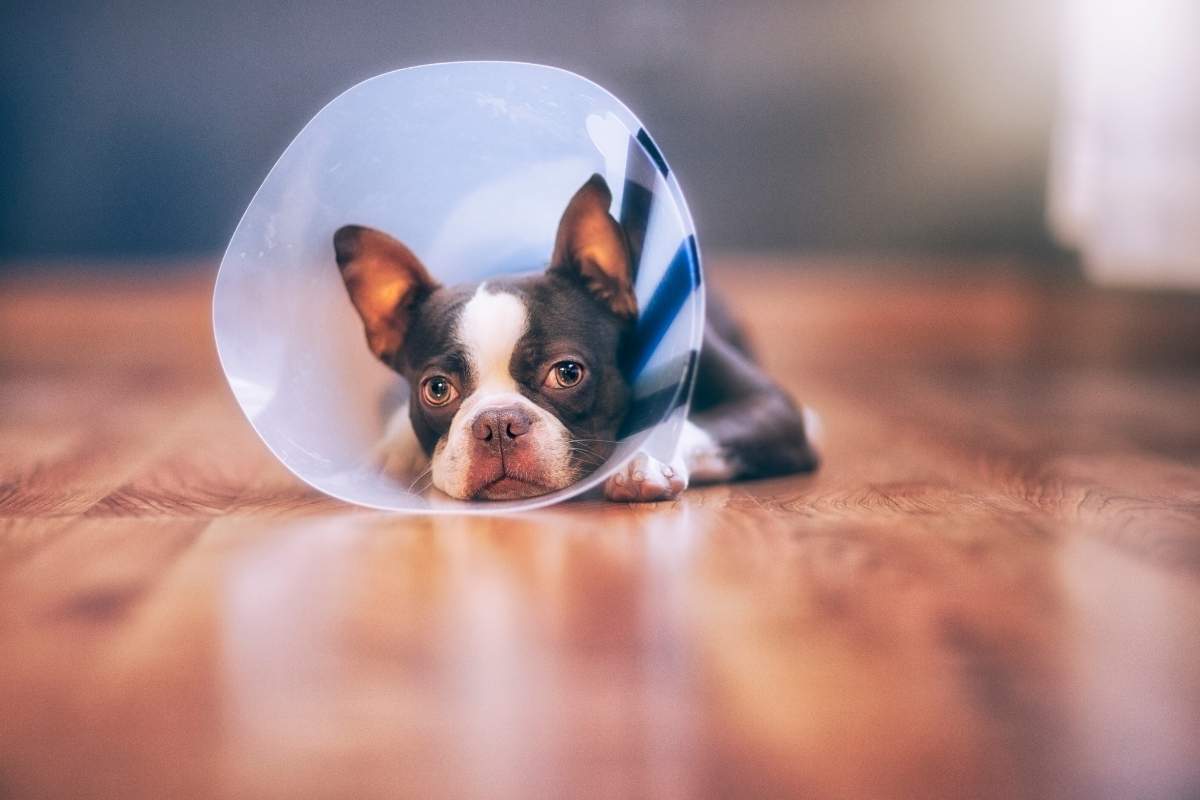
Elizabethan collars, often called e-collars or cones, help prevent dogs from reaching surgical incisions during healing.
Benefits of recovery collars may include:
- Physical protection barriers: Dogs cannot access the incision directly.
- Reduced infection risk: Limited licking helps keep wounds cleaner.
- Safer overnight recovery: Supervision becomes easier during rest periods.
- Improved healing conditions: Reduced irritation supports tissue repair.
Proper Collar Fit Helps Improve Protection Effectively
Collars should extend far enough beyond the nose to prevent access to the surgical site comfortably and safely.
Surgical Recovery Suits May Reduce Licking Behaviors
Some dogs tolerate recovery suits better than traditional cones. Protective clothing covers the incision area while limiting direct access.
Recovery suit benefits often include:
- Improved movement comfort: Some dogs adjust more easily.
- Reduced incision exposure: Fabric barriers discourage licking.
- Less furniture interference: Soft materials may feel less restrictive.
- Support during supervised activity: Added protection helps during recovery.
Veterinary guidance helps determine whether recovery clothing suits your dog’s specific surgical needs.
Mental Stimulation Helps Reduce Recovery Frustration
Dogs recovering from TPLO surgery often experience boredom due to exercise restrictions. Mental enrichment may help redirect attention away from the incision site.
Helpful enrichment activities may include:
- Puzzle feeders: Slow feeding encourages mental engagement.
- Short obedience exercises: Controlled training supports focus.
- Safe chew toys: Appropriate chewing may reduce licking behaviors.
- Calm interaction sessions: Gentle companionship may reduce stress.
Boredom Frequently Contributes To Persistent Licking Habits
Providing safe distractions often helps dogs remain calmer during restricted recovery periods after orthopedic surgery.
Monitoring Incision Changes Helps Detect Problems Earlier
Careful observation remains important throughout TPLO recovery. Certain changes may indicate irritation, infection, or healing complications requiring veterinary attention.
Watch carefully for signs, including:
- Redness around incision edges: Increased inflammation may signal irritation.
- Discharge or unusual odor: Drainage sometimes indicates infection.
- Excessive swelling: Persistent enlargement may require evaluation.
- Repeated licking attempts: Increased fixation sometimes reflects discomfort.
Daily incision monitoring helps support safer recovery progress.
Pain Management Plays Important Recovery Support Roles
Dogs experiencing discomfort may focus more attention on surgical sites. Proper pain management often helps reduce excessive licking behaviors during recovery.
Veterinary-directed pain support may involve:
- Prescription medications: Pain control supports comfort during healing.
- Scheduled dosing routines: Consistent medication timing often matters.
- Restricted physical activity: Reduced strain helps minimize discomfort.
- Follow-up evaluations: Recovery monitoring guides medication adjustments.
Medication changes should always follow veterinary recommendations carefully.
The team at Maplewood Veterinary Center continues helping pet owners manage TPLO recovery through orthopedic evaluations, healing assessments, and post-surgical guidance.
Household Adjustments Help Support Safer Healing
Recovery environments play an important role in preventing incision irritation and encouraging calmer post-surgical behavior.
Helpful home modifications may include:
- Using non-slip flooring: Stable footing reduces strain during movement.
- Creating quiet recovery spaces: Reduced activity lowers stress levels.
- Blocking stair access: Limiting climbing supports safer healing.
- Maintaining clean bedding areas: Cleaner surfaces reduce the risk of contamination.
Organized recovery environments often significantly improve post-surgical comfort.
Follow-up Visits Help Track Recovery Progress Closely
Routine veterinary rechecks help monitor healing progress and identify concerns before complications worsen.
Follow-up evaluations may involve:
- Incision-healing assessments: Veterinarians closely monitor tissue repair.
- Mobility evaluations: Walking patterns often improve gradually.
- Medication adjustments: Recovery needs sometimes change over time.
- Activity recommendations: Exercise restrictions evolve as healing progresses.
Consistent follow-up care supports safer long-term orthopedic recovery outcomes.
Patience During Recovery Helps Long-Term Results
TPLO healing requires time, consistency, and careful supervision. Dogs may become frustrated with temporary restrictions, though protecting the incision remains essential for successful recovery.
Staying consistent with protective measures, carefully monitoring healing, and following veterinary recommendations may help support better mobility outcomes after orthopedic surgery.
Supporting Safer Healing After Orthopedic Surgery
Preventing dogs from licking TPLO incisions plays an important role in reducing infection risk, protecting healing tissues, and supporting smoother orthopedic recovery. Recovery collars, supervised care, mental stimulation, and regular veterinary monitoring all contribute to safer healing and help dogs regain mobility and comfort more effectively over time.
Helping Dogs Recover More Comfortably After Surgery
If you’re in Bettendorf and looking for TPLO recovery care, book an appointment with Maplewood Veterinary Center. Our team helps evaluate healing progress, monitor surgical recovery, and guide pet owners through orthopedic care strategies designed to support safer incision healing, improved mobility, and better long-term recovery outcomes for dogs after TPLO surgery.
FAQs
Q1. Why do dogs become obsessed with licking surgical incisions?
Ans. Healing tissues often create itching, irritation, or mild discomfort. Dogs naturally focus their attention on unfamiliar sensations, especially during recovery periods involving restricted movement and temporary changes in routine.
Q2. Can licking really reopen a TPLO incision completely?
Ans. Yes. Persistent licking or chewing may damage sutures, irritate healing tissues, and increase swelling, potentially causing partial reopening or delayed healing after orthopedic surgery.
Q3. Why do some dogs dislike wearing recovery cones?
Ans. Recovery collars may temporarily affect peripheral vision, movement, and eating routines. Dogs often require adjustment periods before becoming more comfortable consistently wearing protective recovery equipment.
Q4. Can stress increase licking behavior after surgery recovery starts?
Ans. Yes. Anxiety, boredom, reduced exercise, and unfamiliar recovery routines may increase repetitive licking behaviors during healing periods following TPLO surgery and orthopedic recovery restrictions at home.
Q5. How long do dogs usually need incision protection devices?
Ans. Many dogs require recovery collars or protective coverings for approximately 10 to 14 days, though healing timelines vary depending on surgical recovery progress and veterinary recommendations.