The first 72 hours after TPLO surgery can feel overwhelming for pet owners. Your dog may be sleepy, uncomfortable, hesitant to walk, or reluctant to eat. At the same time, you may worry about whether every movement is safe and whether the surgical incision is healing properly. Knowing what to expect can make this early recovery period more manageable.
Tibial plateau leveling osteotomy, commonly called TPLO surgery, is a procedure used to stabilize a dog’s knee after a cranial cruciate ligament injury. The surgery changes the shape and mechanics of the tibial plateau so the knee can remain stable during weight-bearing. Because the procedure involves bone, careful postoperative management is essential.
During the first three days, your primary goals should be controlling pain, protecting the surgical site, limiting activity, providing appropriate nutrition and hydration, and monitoring your dog for changes that may require veterinary attention. Although your dog may begin feeling better within a short time, the knee still needs significant protection while healing.
For families preparing for TPLO Surgery Bettendorf, understanding the first 72 hours can help make the transition from the veterinary hospital to home smoother. Your veterinary team will provide specific instructions based on your dog’s procedure, health, medications, and recovery needs, so always follow those instructions over general guidance.
What Is TPLO Surgery?
TPLO surgery is an orthopedic procedure commonly performed for dogs with cranial cruciate ligament disease or rupture. The cranial cruciate ligament helps stabilize the knee, and damage to it can cause pain, inflammation, lameness, and instability.
During TPLO surgery, the veterinarian changes the angle of the tibial plateau and stabilizes the bone with a specially designed plate and screws. Once healing occurs, the altered biomechanics help the knee remain stable during normal weight-bearing.
Because the procedure involves cutting and repositioning bone, recovery requires more than simply waiting for the incision to heal. The bone also needs time to repair and strengthen.
Therefore, strict activity restriction and follow-up care are critical parts of recovery.
What to Expect During the First 72 Hours
The first three days are usually focused on comfort, rest, monitoring, and preventing complications.
Your dog may experience:
- Sleepiness after anesthesia
- Mild nausea or reduced appetite
- Pain or discomfort
- Swelling around the surgical area
- Reluctance to put weight on the affected leg
- Temporary changes in normal behavior
- Increased need for rest
- Difficulty getting comfortable
These changes can occur during early recovery, but the severity and duration vary between dogs.
Your veterinary team should explain which signs are expected and which require immediate attention.
The First 24 Hours: Focus on Comfort and Safety
The first day at home is primarily about keeping your dog calm and comfortable.
Create a Quiet Recovery Area
Prepare a small, controlled area before bringing your dog home. A crate, exercise pen, or appropriately confined room may help prevent unnecessary movement.
Keep the area away from stairs, slippery floors, furniture, and other pets that could encourage play.
Place comfortable bedding on the floor. Food and water should be easily accessible, provided your veterinary team allows normal feeding and drinking.
Limit Walking
Your dog may need to walk outside for bathroom breaks, but these trips should generally remain brief and controlled.
Use a leash and follow your veterinarian’s instructions about weight-bearing and movement.
Do not allow your dog to run, jump, climb stairs, or play with other pets.
Even if your dog suddenly seems energetic, remember that feeling better does not mean the bone has healed.
Follow the Pain-Control Plan
Your veterinarian may prescribe medications to manage pain and inflammation.
Give each medication exactly as directed. Follow the dosage, timing, and duration specified by your veterinary team.
Do not give your dog human pain medication unless a veterinarian specifically tells you to do so. Some medications intended for people can be dangerous or even life-threatening to pets.
If your dog appears painful despite prescribed medication, contact the veterinary team instead of giving an additional dose on your own.
Monitoring Your Dog’s Incision
Check the surgical incision as instructed by your veterinarian.
A healing incision may have mild swelling or bruising during the early postoperative period. However, you should watch for changes that appear excessive or worsen rather than improve.
Contact your veterinary team if you notice:
- Significant swelling
- Persistent bleeding
- Pus or unusual discharge
- Increasing redness
- Foul odor
- Opening of the incision
- Excessive warmth around the surgical area
- Sudden worsening of discomfort
Do not apply ointments, disinfectants, creams, or other products to the incision unless your veterinarian recommends them.
Preventing Licking and Chewing
Dogs may instinctively lick an uncomfortable surgical area. Unfortunately, excessive licking can irritate the incision and potentially introduce bacteria.
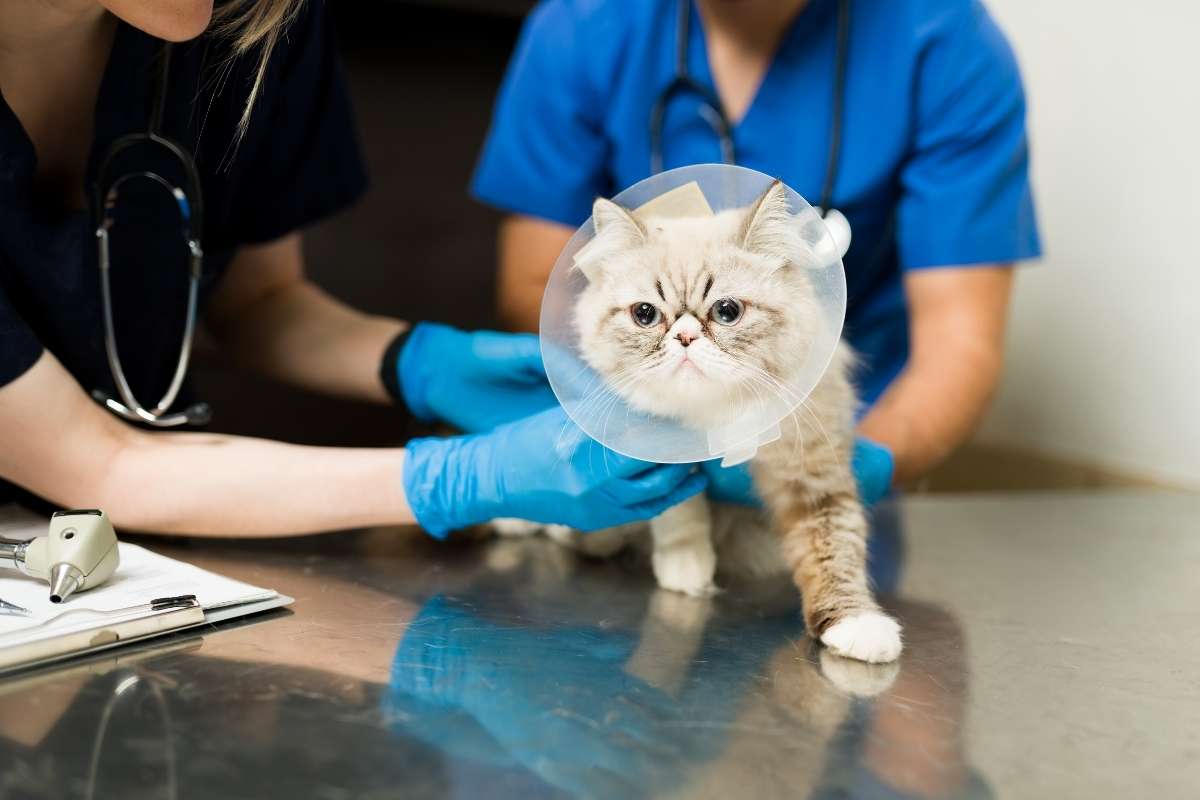
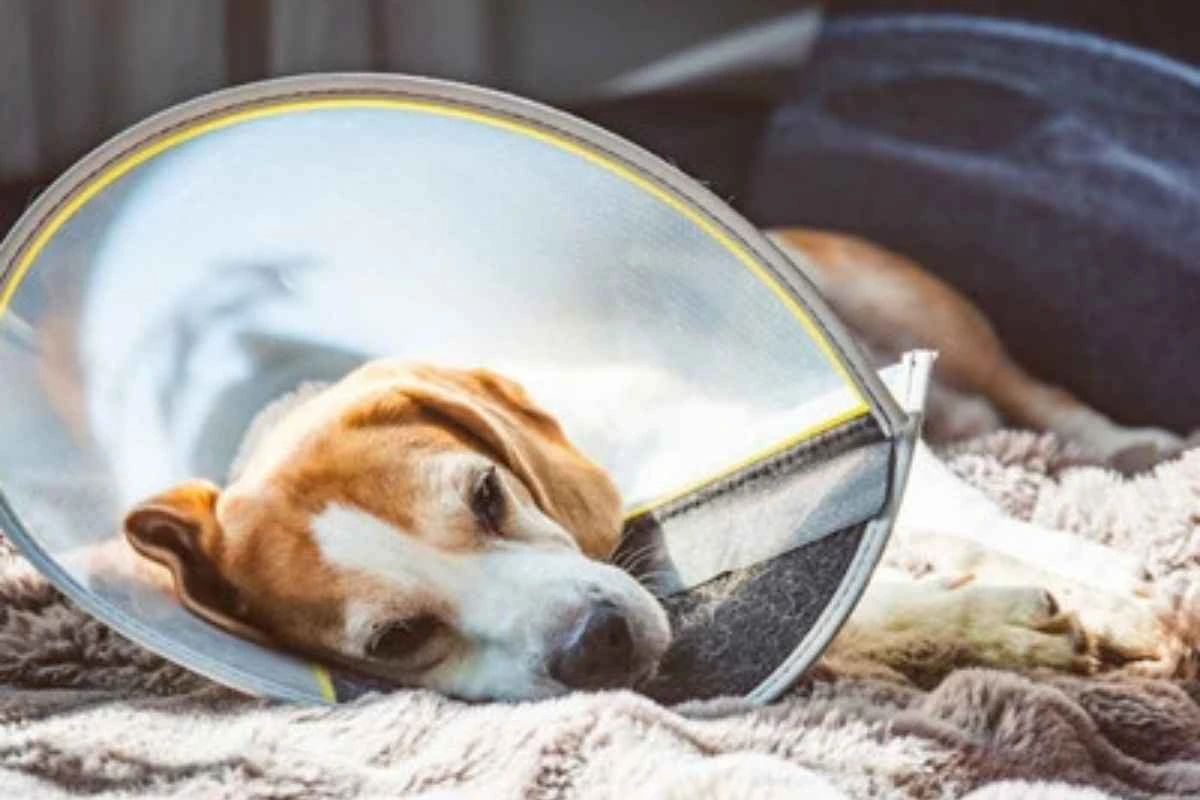
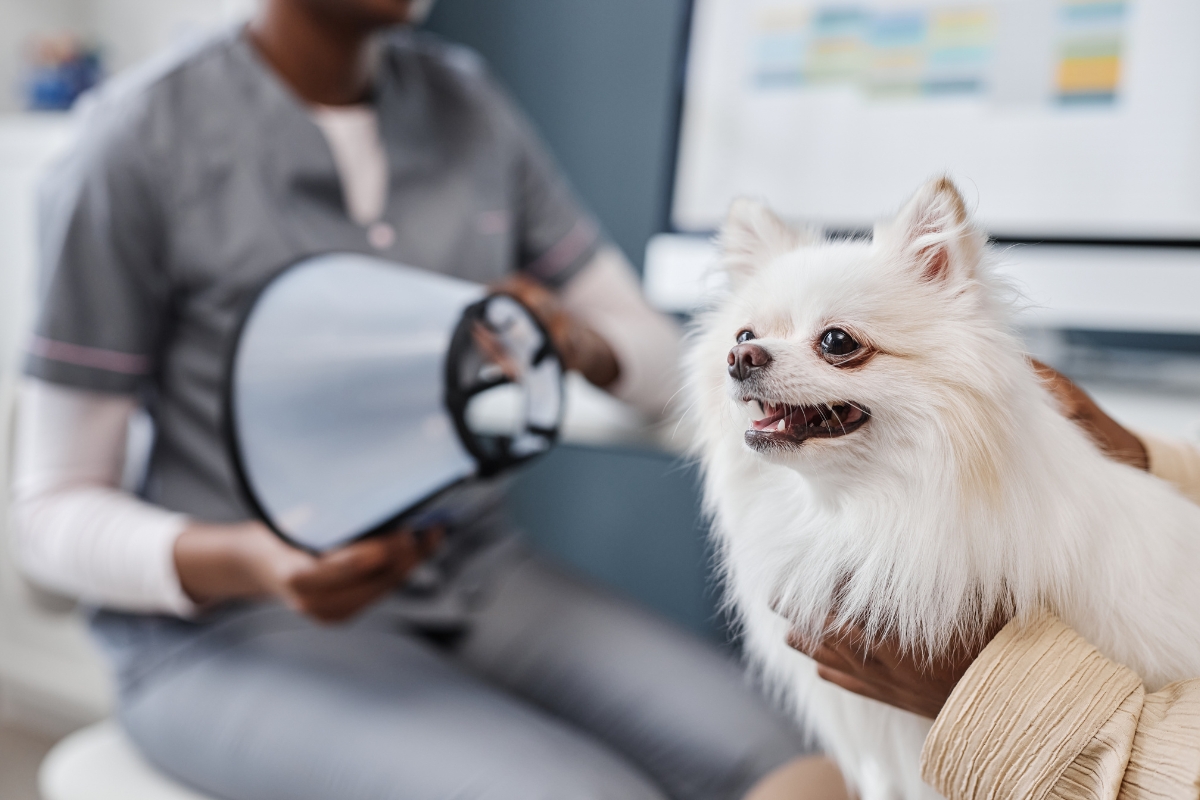
Your veterinarian may recommend an Elizabethan collar or another protective device.
Keep the protective device on according to your veterinary instructions, particularly when your dog is unsupervised.
Although the collar may initially frustrate your dog, preventing access to the incision is an important part of protecting the surgical site.
Helping Your Dog Eat and Drink
Some dogs may have a reduced appetite during the first several hours after anesthesia.
Offer food and water according to the instructions provided by your veterinary team.
If your dog eats normally, continue the recommended diet. Avoid suddenly introducing rich foods or unfamiliar treats.
A dog that refuses food once may not necessarily have a serious problem, particularly immediately after anesthesia. However, persistent refusal to eat, repeated vomiting, inability to keep water down, or significant weakness warrants veterinary guidance.
The First 24 to 48 Hours: Maintain Strict Rest
Once the initial effects of anesthesia begin to fade, your dog may become more alert. This can create a new challenge.
A dog that feels better may attempt to walk, move around, or return to normal activities before the knee is ready.
Prevent Sudden Movements
Keep your dog confined as directed. Avoid activities such as:
- Running
- Jumping
- Playing
- Climbing stairs
- Jumping onto furniture
- Chasing toys
- Rough interaction with other pets
- Off-leash activity
Use controlled leash walks only when your veterinarian permits them.
Use Non-Slip Surfaces
Smooth flooring can increase the risk of slipping.
Place rugs, mats, or other appropriate non-slip surfaces along areas your dog needs to access. This can make movement safer while reducing the chance of an unexpected slide.
Assist With Movement When Necessary
Some dogs need additional support when standing or walking during the first few days.
Your veterinary team may recommend using a sling, towel, harness, or another support method depending on your dog’s condition.
Do not improvise a support technique if you are unsure how to use it. Ask your veterinary team to demonstrate the safest method.
The 48 to 72-Hour Mark: Continue Protection
By the third day, some dogs appear noticeably brighter. They may show more interest in food, family members, and their surroundings.
That improvement is encouraging, but it can also tempt owners to loosen activity restrictions too soon.
Continue following the prescribed recovery plan.
Your dog’s surgical site may look better externally while the bone and deeper tissues remain in the early stages of healing.
Keep Medication on Schedule
Continue medications exactly as prescribed.
Do not stop pain medication early simply because your dog seems more comfortable unless your veterinarian instructs you to do so.
Likewise, never extend or modify a medication schedule without veterinary guidance.
Continue Incision Checks
Look at the incision regularly and compare its appearance over time.
Taking a photo when your dog first comes home can help you notice changes later. However, avoid repeatedly touching or manipulating the surgical area.
Keep Your Dog Mentally Occupied
Strict rest can be frustrating for active dogs.
Fortunately, mental enrichment can help reduce boredom without requiring strenuous physical activity.
Depending on your veterinarian’s recommendations, appropriate low-movement activities may include quiet interaction, gentle attention, food puzzles that do not encourage excessive movement, or calm training exercises.
Always choose activities that keep your dog physically controlled.
What About Bathroom Breaks?
Bathroom trips should generally remain short and controlled during early recovery.
Use a leash and choose a level, safe surface. Prevent your dog from wandering, running, or becoming distracted by other animals.
Your veterinarian may provide specific instructions about how often your dog should go outside and how much weight-bearing is appropriate.
If your dog has difficulty urinating or defecating, contact your veterinary team for advice.
Signs That Require Veterinary Attention
Although some discomfort is expected after major orthopedic surgery, certain signs should not be ignored.
Contact your veterinarian promptly if your dog experiences:
- Severe or worsening pain
- Difficulty breathing
- Collapse or extreme weakness
- Persistent vomiting
- Significant bleeding
- Major swelling
- Discharge from the incision
- Incision separation
- Sudden worsening of lameness
- Repeated inability to stand
- Pale gums
- Unusual behavior that concerns you
If you believe your dog is experiencing a life-threatening emergency, seek immediate veterinary care.
When something does not seem right, it is better to contact the veterinary team than to wait and see whether the problem resolves on its own.
How Owners Can Make the First Three Days Easier
Preparation can make postoperative care considerably easier.
Before surgery, consider setting up:
- A confined recovery area
- Comfortable bedding
- Non-slip floor coverings
- Food and water bowls
- A leash and appropriate harness
- Prescribed medications
- An Elizabethan collar if recommended
- Easy access to an outdoor bathroom area
- A written medication schedule
- Your veterinary clinic’s contact information
It can also help to organize medication times around your daily routine. Setting reminders on your phone can reduce the chance of accidentally missing a dose.
What Happens After the First 72 Hours?
The first three days are only the beginning of TPLO recovery.
Bone healing typically takes considerably longer than skin healing. Your veterinarian will establish a longer-term rehabilitation and activity plan based on follow-up examinations and your dog’s progress.
Your dog may gradually transition from strict rest to controlled activity. However, the timing should come from your veterinary team.
Follow-up appointments are particularly important because your veterinarian can evaluate healing and determine when it is safe to increase activity.
Supporting Recovery Beyond the First Week
Once your dog moves beyond the initial postoperative period, consistency remains essential.
Follow all recommendations regarding:
- Leash walking
- Exercise restrictions
- Rehabilitation
- Medication
- Weight management
- Follow-up imaging
- Incision monitoring
Maintaining an appropriate body weight can also reduce unnecessary stress on the recovering joint and the opposite hind limb.
Rehabilitation may include carefully controlled exercises designed to restore strength, mobility, balance, and muscle condition. Your veterinarian can determine whether formal rehabilitation is appropriate and when it should begin.
When to Contact Your Veterinary Team
Every TPLO patient has unique needs. The ideal recovery plan depends on factors such as age, body condition, overall health, surgical findings, and the condition of the opposite knee.
At Maplewood Veterinary Center, pet owners can receive guidance about postoperative monitoring, activity restrictions, medication administration, and recovery concerns following orthopedic procedures.
Do not hesitate to ask questions if you are uncertain about your dog’s recovery. Understanding the instructions before leaving the veterinary hospital can help you provide safer care at home.
The first 72 hours after TPLO surgery require patience, attention, and careful activity control. Your dog may sleep more, eat less than usual, or hesitate to use the operated leg during the early recovery period. These changes can occur after surgery, but owners should monitor their pets closely and follow their veterinarian’s specific instructions.
Focus on the basics: control pain as prescribed, protect the incision, prevent licking, restrict activity, provide safe bathroom breaks, and keep your dog comfortable.
Most importantly, do not allow an improvement in your dog’s energy level to lead to premature activity. The surgical bone and surrounding tissues need time to heal, even when your dog starts acting more like themselves.
With careful home care and appropriate veterinary follow-up, you can give your dog the best possible environment for a safe recovery.
If your dog is preparing for TPLO surgery or you have concerns during recovery, contact Maplewood Veterinary Center for guidance tailored to your pet’s individual needs.
Frequently Asked Questions
Q1. How long should my dog rest after TPLO surgery?
Ans: TPLO recovery requires restricted activity for several weeks, although the exact timeline varies by patient and surgical progress. Follow your veterinarian’s instructions regarding confinement, leash walking, exercise, and rehabilitation.
Q2. Is it normal for my dog not to use the leg immediately after TPLO surgery?
Ans: Some dogs are reluctant to bear weight on the operated leg during the early recovery period. However, severe or worsening lameness, significant pain, or sudden changes should be reported to your veterinary team.
Q3. How can I keep my dog from licking the TPLO incision?
Ans: Your veterinarian may recommend an Elizabethan collar or another protective device. Keep the device on as directed and monitor your dog closely to prevent licking or chewing of the incision.
Q4. Can my dog climb stairs after TPLO surgery?
Ans: Stairs can increase the risk of slipping, jumping, or placing excessive stress on the recovering limb. Avoid stairs unless your veterinarian specifically permits them and provides instructions for doing so safely.
Q5. What should I do if my dog seems very painful after TPLO surgery?
Ans: Give prescribed medications exactly as directed and contact your veterinary team if your dog remains significantly uncomfortable. Never increase medication doses or give human pain medication without veterinary approval.
Q6. When should I worry about my dog’s TPLO incision?
Ans: Contact your veterinarian if you notice significant swelling, persistent bleeding, unusual discharge, foul odor, increasing redness, incision separation, or other concerning changes. Prompt evaluation can help address complications early.