
Spaying and neutering are among the most common veterinary procedures recommended for pets, yet many owners still have questions about the long-term benefits. Beyond preventing unexpected litters, these procedures may help support healthier behavior, reduce certain medical risks, and improve overall quality of life throughout your pet’s lifetime.
If you’re a pet owner in Bettendorf, IA, this blog is especially for you. Understanding the lifelong benefits of spaying and neutering can help you make informed decisions about your pet’s future wellness and daily comfort. Schedule a visit with Maplewood Veterinary Center to discuss surgical care options for your pet.
Early Surgical Decisions Support Better Long-Term Health
Choosing the right time to spay or neuter often plays an important role in preventive veterinary care. Veterinary evaluations help determine the appropriate timing for surgery based on age, breed, weight, and overall health.
Early surgical planning may support:
- Reduced risk of reproductive disease: Certain conditions become less likely after surgery.
- Healthier long-term wellness monitoring: Preventive care often improves overall outcomes.
- More manageable behaviors: Hormonal influences may decrease gradually.
- Safer household routines: Reduced roaming behaviors may improve safety.
Routine veterinary guidance helps owners understand how surgical timing may affect long-term health.
Spaying May Lower Serious Female Health Risks
Female pets may face reproductive health complications as they age. Spaying removes the ovaries and uterus, helping reduce several potentially dangerous conditions.
Potential long-term benefits may include:
- Lower pyometra risks: Uterine infections can become severe quickly.
- Reduced likelihood of mammary tumors: Early surgery may reduce certain cancer risks.
- Elimination of heat cycles: Hormonal fluctuations often affect behavior and routines.
- Reduced pregnancy complications: Surgical prevention removes breeding-related risks entirely.
Preventive Surgery Often Supports Healthier Aging
Lower exposure to reproductive diseases may contribute to safer long-term wellness and fewer medical complications later in life.
Neutering Can Help Reduce Behavioral Challenges Safely
Hormonal instincts often influence behaviors in male pets. Neutering may help reduce behaviors associated with territorial habits and mating instincts.
Behavioral improvements sometimes include:
- Reduced roaming tendencies: Pets may become less likely to wander.
- Lower urine marking behaviors: Indoor spraying may decrease over time.
- Reduced hormone-driven aggression: Some territorial behaviors become less intense.
- Improved focus during training: Reduced distractions may support learning.
Behavioral changes vary depending on age, training, and personality.
Preventing Unexpected Litters Benefits Animal Welfare
Pet overpopulation continues to affect shelters and rescue organizations across many communities. Spaying and neutering help reduce the number of unwanted litters and homeless animals.
Community-related benefits may include:
- Reduced shelter overcrowding: Fewer unwanted litters decrease strain on rescues.
- Lower risk of abandonment: Population control supports responsible ownership.
- Reduced breeding-related complications: Pregnancy risks become preventable.
- Better long-term pet planning: Owners may manage care responsibilities more effectively.
Preventive veterinary decisions often support healthier animal communities overall.
Recovery Periods Usually Remain Smooth and Manageable
Many owners feel nervous about their pet’s recovery from surgery, though most pets recover well when post-operative instructions are followed carefully.
Common recovery recommendations often involve:
- Limiting physical activity: Running and jumping may affect healing.
- Monitoring incision sites: Swelling or discharge should be evaluated promptly.
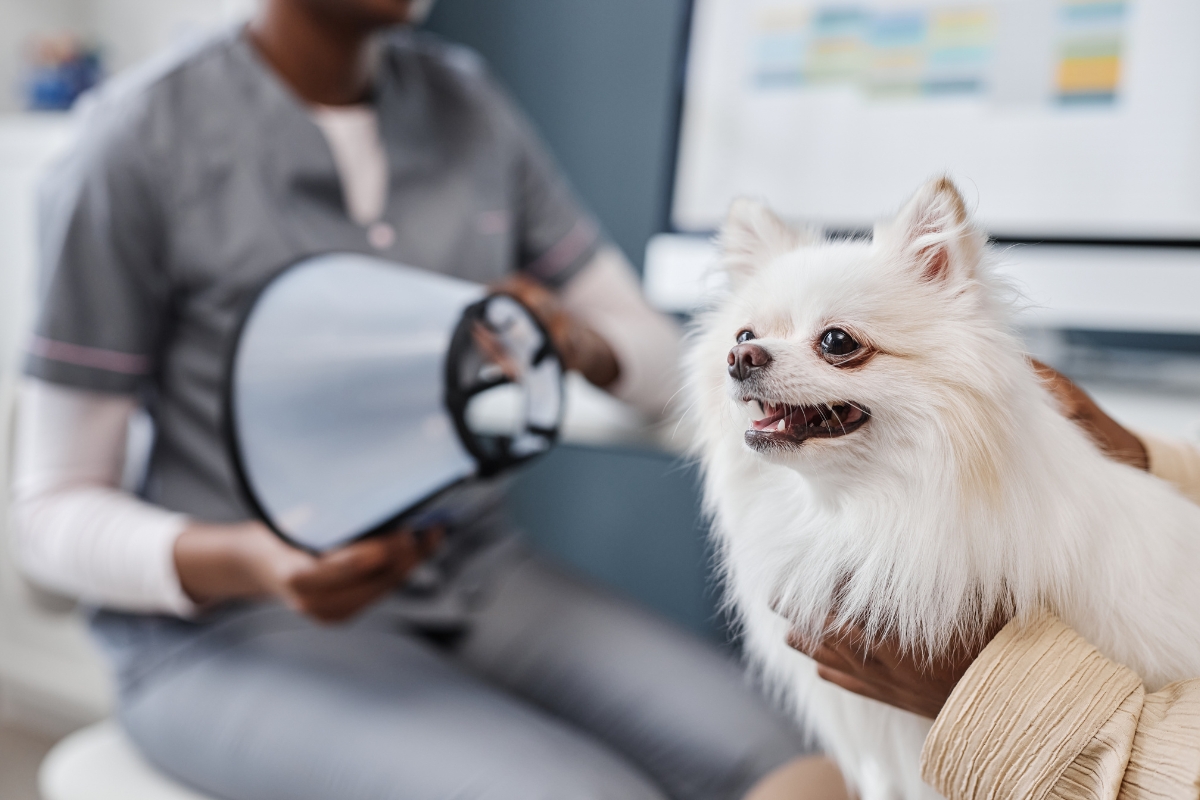
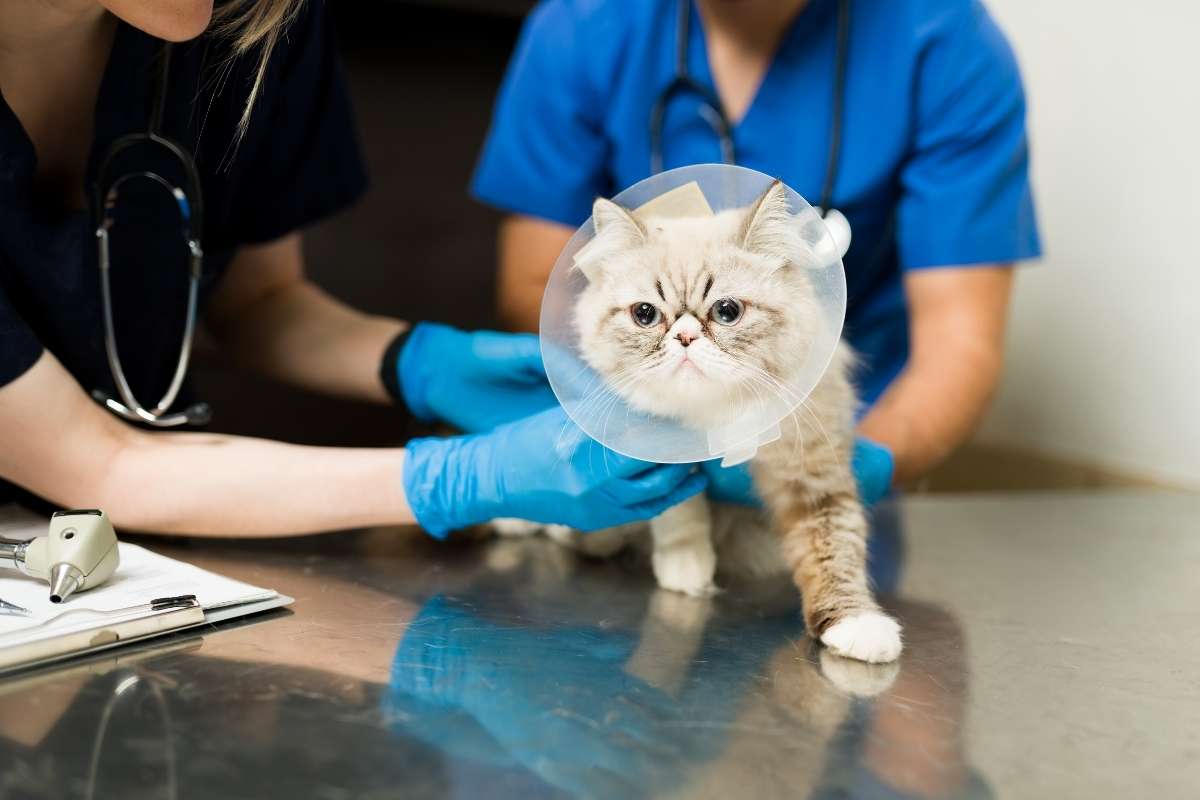
- Using recovery collars: Licking may irritate healing tissues.
- Providing quiet recovery spaces: Calm environments support rest.
Following Home Care Instructions Improves Healing Progress
Careful monitoring during recovery may help reduce complications while supporting safer healing after surgery.
Hormonal Behaviors May Affect Daily Household Stability
Hormonal cycles sometimes create stress within homes, especially in multi-pet environments. Spaying and neutering may support calmer routines and more predictable interactions.
Possible household benefits may include:
- Reduced vocalization during heat cycles: Hormonal behaviors may decrease significantly.
- Lower territorial conflicts: Pets may interact more calmly.
- Reduced escape attempts: Roaming instincts often lessen after surgery.
- More stable routines: Predictable behaviors may improve daily life.
Long-term behavioral improvements often develop gradually.
Veterinary Evaluations Help Guide Surgical Planning
Every pet has unique health needs requiring individualized recommendations before surgery. Veterinary consultations help owners prepare for procedures and recovery expectations.
Pre-surgical evaluations may include:
- Physical examinations: Overall wellness affects surgical readiness.
- Blood testing recommendations: Organ function may require evaluation.
- Weight and nutritional assessments: A healthy body condition supports recovery.
- Lifestyle discussions: Daily routines may influence surgical timing.
Open communication helps owners feel better prepared on the day of surgery.
The team at Maplewood Veterinary Center continues helping pet owners understand the value of spaying and neutering through wellness evaluations, surgical preparation guidance, and recovery monitoring.
Long Term Wellness Requires Ongoing Preventive Care
Spaying and neutering work best when combined with regular preventive care, including wellness exams, vaccinations, dental evaluations, and nutritional support.
Preventive wellness strategies may include:
- Routine veterinary visits: Ongoing monitoring supports healthier aging.
- Weight management plans: Metabolism changes sometimes occur after surgery.
- Parasite prevention programs: Preventive medications remain important.
- Dental care monitoring: Oral health affects overall wellness.
Balanced veterinary care supports healthier outcomes throughout your pet’s lifetime.
Pets Often Adapt Quickly After Surgical Recovery
Most pets return to normal routines relatively quickly after recovery periods end. Appetite, activity levels, and social behaviors often stabilize as healing progresses.
Helpful post-recovery support may include:
- Gradual return to exercise: Controlled activity helps safely rebuild routines.
- Consistent feeding schedules: Stability supports digestive health.
- Routine wellness monitoring: Long-term follow-up remains important.
- Behavior observation: Owners should monitor ongoing changes carefully.
Pets typically adjust well once recovery is complete.
Understanding Benefits Helps Owners Feel More Confident
Learning about the lifelong benefits of spaying and neutering often helps owners feel more comfortable making preventive healthcare decisions. Discussing questions about recovery, timing, and long-term effects with a veterinarian may reduce uncertainty surrounding the procedure.
Prepared owners often feel more confident supporting pets through surgery and recovery while focusing on long-term wellness goals.
Supporting Lifelong Wellness Through Surgical Care
Spaying and neutering offer important long-term benefits that may support healthier behaviors, reduced reproductive disease risks, and improved household stability. When combined with routine veterinary care and preventive wellness monitoring, these procedures can contribute to safer, healthier, and more comfortable lives for pets at every stage of life.
Helping Pets Thrive Through Preventive Veterinary Services
If you’re in Bettendorf and searching for spay and neuter services near you, book an appointment with Maplewood Veterinary Center. Our team guides pet owners through surgical planning, recovery instructions, and preventive wellness support, helping pets maintain healthier routines, improved comfort, and safer long-term care outcomes after surgery.
FAQs
Q1. Why do some pets become calmer after neutering?
Ans. Hormonal influences linked to mating instincts and territorial behavior may decrease after neutering, leading some pets to display calmer routines and reduced roaming or marking tendencies over time.
Q2. Can spaying help prevent emergency reproductive conditions?
Ans. Yes. Spaying removes reproductive organs, helping prevent conditions like pyometra, a severe uterine infection that may require emergency veterinary treatment if left untreated.
Q3. Why should activity stay limited after surgery recovery begins?
Ans. Excessive movement may strain healing tissues or reopen incision sites. Controlled activity supports safer healing while helping reduce swelling, discomfort, and recovery-related complications after surgery.
Q4. Does spaying or neutering affect a pet’s personality permanently?
Ans. Core personality traits generally remain unchanged. Surgery may reduce hormone-driven behaviors, though temperament, socialization, environment, and training continue to influence long-term behavior patterns significantly.
Q5. Can adult pets still benefit from spaying or neutering later?
Ans. Adult pets may still benefit from preventive surgery depending on their health condition and reproductive risks. Veterinary evaluations help determine individual surgical safety and long-term wellness benefits.