
Cats are masters at hiding pain. Unlike dogs, who may whimper or show obvious discomfort, cats tend to quietly withdraw and mask their symptoms until a condition becomes significantly worse. This natural instinct makes it especially challenging for pet owners to recognize when something serious is going on internally, particularly with bones, joints, and muscles.
Orthopedic issues in cats can develop gradually over time or appear suddenly following an injury or accident. Either way, ignoring the early warning signs can lead to chronic pain, reduced mobility, and a declining quality of life. Understanding what to watch for could make a meaningful difference in your cat’s long-term health and happiness.
Whether you’re a first-time cat owner or a seasoned pet parent, knowing when your cat’s symptoms go beyond a routine veterinary visit is essential.
Why Orthopedic Problems in Cats Are Often Missed
Most people associate orthopedic conditions with dogs, but cats are equally susceptible to bone and joint disorders. Because cats are naturally agile and tend to rest more when they’re uncomfortable, owners may not immediately notice a problem. By the time the signs are obvious, the condition may have already progressed.
Common causes of orthopedic issues in cats include:
- Trauma or injury from falls, car accidents, or rough play
- Hip dysplasia, though less common in cats than in dogs
- Fractures from high-impact incidents
- Luxating patella (dislocated kneecap)
- Ligament tears, including cruciate ligament injuries
- Bone infections or tumors
- Age-related joint degeneration
Understanding these causes helps you connect symptoms to potential underlying problems more effectively.
Key Warning Signs Your Cat May Need Orthopedic Surgery
1. Persistent or Worsening Limping
A cat that limps occasionally after jumping may simply need rest. However, if the limping continues for more than 24 to 48 hours, worsens over time, or alternates between legs, it may indicate a structural problem that requires professional evaluation. Do not wait and hope it resolves on its own.
2. Reluctance to Jump or Climb
Cats love to explore vertical spaces. If your once-active cat is suddenly avoiding jumping onto furniture, hesitating at stairs, or choosing to stay on the ground, this behavioral shift is a red flag. Reduced willingness to move often points to joint pain or a musculoskeletal injury.
3. Visible Swelling or Deformity
Swelling around a leg, joint, or paw that doesn’t go down within a day or two warrants immediate attention. Visible bone deformity or an abnormally angled limb following an injury is a clear sign that emergency orthopedic evaluation is needed.
4. Crying Out or Vocalizing When Touched
If your cat hisses, growls, or cries when you touch a specific area of their body, this is a strong indicator of localized pain. Cats that are normally calm but become reactive during handling may be experiencing significant discomfort in that region.
5. Changes in Grooming Habits
Cats in pain often stop grooming areas that are difficult or painful to reach. If you notice matted fur along the back, hind legs, or tail area, especially without another explanation, it could point to limited mobility caused by an orthopedic issue.
6. Muscle Wasting or Asymmetry
When a cat consistently avoids using one limb, the muscles in that limb begin to shrink due to disuse. If one leg looks noticeably thinner than the others, or if your cat’s posture seems uneven, these physical changes deserve veterinary attention.
7. Altered Gait or Stiff Movement
A cat that moves stiffly after waking up, walks with an unusual gait, or seems to struggle with normal activities like sitting or lying down may be dealing with joint inflammation, a fracture, or ligament damage. Stiffness that improves only slightly with movement but never fully resolves is especially concerning.
When Is Orthopedic Surgery Recommended for Cats?
Not every orthopedic condition requires surgery. Some cats respond well to rest, physical therapy, pain management, or joint supplements. However, when conservative treatments fail or the condition is severe from the outset, orthopedic surgery for pets becomes a necessary and effective option.
Surgery is typically recommended when:
- A fracture is displaced or unstable
- A ligament is fully torn and won’t heal on its own
- A joint dislocation keeps recurring
- A tumor or bone infection requires surgical removal
- A cat shows no improvement after weeks of non-surgical treatment
Advances in veterinary medicine have made orthopedic surgery for pets more precise and safer than ever before. Recovery protocols have also improved significantly, helping cats regain normal function faster and with less discomfort.
What to Expect After Orthopedic Surgery in Cats
Post-surgical recovery requires patience and commitment. Most cats need:
- Strict rest and movement restriction for several weeks
- Pain management medication as directed by your veterinarian
- Follow-up X-rays to monitor healing progress
- Physical rehabilitation, in some cases to restore strength and range of motion
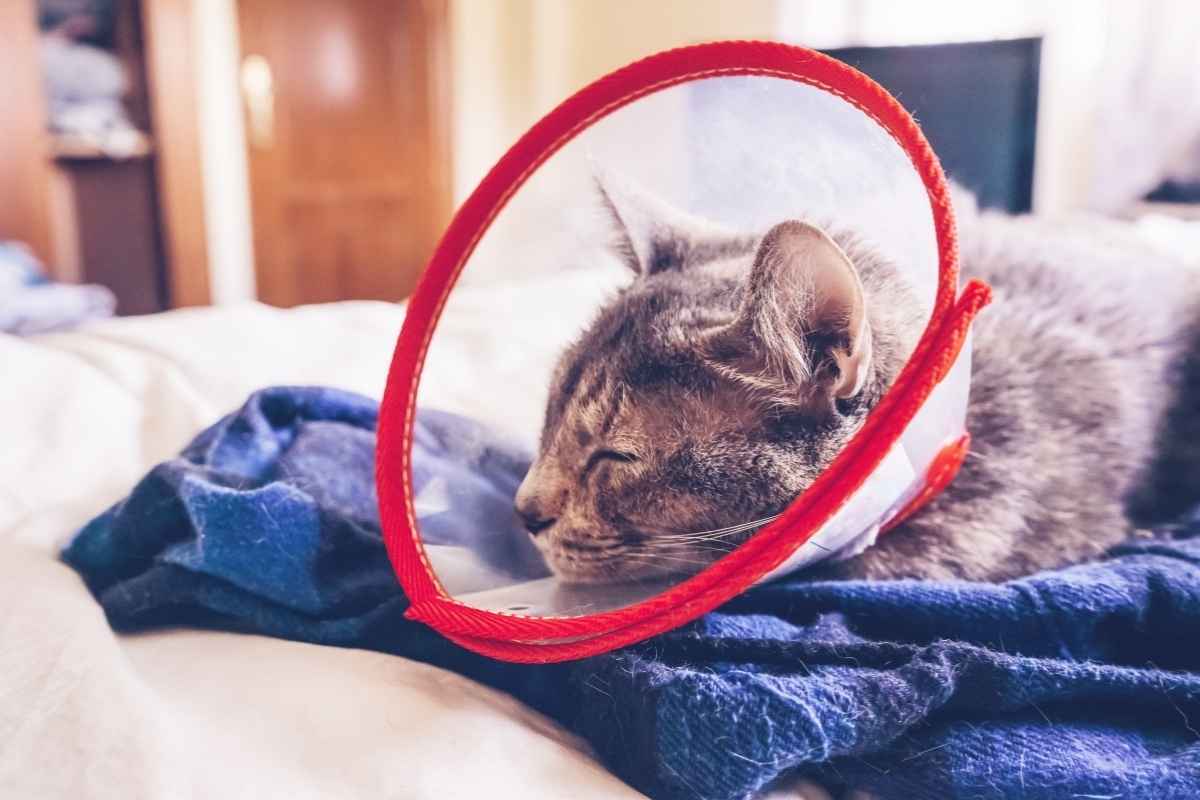
- E-collar use to prevent licking or chewing at the surgical site
Home environment adjustments, such as keeping litter boxes low and easily accessible, can make a significant difference during recovery.
Your cat depends on you to recognize the signs they cannot communicate in words. Limping, stiffness, behavioral changes, and muscle loss are not things to brush aside or wait out indefinitely. Early intervention often leads to better outcomes and a smoother recovery journey.
If you’re in Bettendorf, IA, and you’ve noticed any of these warning signs in your cat, don’t delay seeking professional veterinary guidance. Contact us at Maplewood Veterinary Center. Our experienced team is here to assess your cat’s condition, discuss all available treatment options, and provide compassionate care tailored to your pet’s specific needs. Your cat deserves to move freely, live comfortably, and enjoy every stage of life. Reach out today and take the first step toward getting them the care they need.
Frequently Asked Questions:
Q1. How do I know if my cat is in pain from a bone or joint issue?
Ans. Cats often hide pain well, but signs include limping, reduced activity, reluctance to jump, changes in grooming, vocalization when touched, or visible swelling. If you notice more than one of these signs, a veterinary evaluation is strongly recommended.
Q2. Can cats recover fully after orthopedic surgery?
Ans. Many cats recover very well following orthopedic surgery, especially when the condition is caught early, and post-operative care is followed closely. Recovery time varies depending on the type of surgery and the cat’s overall health.
Q3. Are certain cat breeds more prone to orthopedic problems?
Ans. Yes. Breeds such as Maine Coons, Scottish Folds, and Persians have a higher risk of certain orthopedic conditions. However, any cat, regardless of breed, can develop orthopedic issues due to injury or age-related changes.
Q4. At what age do orthopedic problems typically appear in cats?
Ans. Orthopedic issues can occur at any age. Younger cats are more likely to experience trauma-related injuries, while older cats are more prone to arthritis and degenerative joint disease. Regular wellness exams help catch problems early.
Q5. Is surgery always necessary for a broken bone in a cat?
Ans. Not always. Some minor fractures can be managed with splinting or cage rest. However, complex or displaced fractures often require surgical stabilization to ensure proper healing and prevent long-term complications.
Q6. How much does orthopedic surgery for cats typically cost?
Ans. The cost varies widely depending on the type of surgery, the severity of the condition, and the specific procedure involved. Your veterinarian will provide a detailed estimate after a thorough examination and diagnostic imaging.