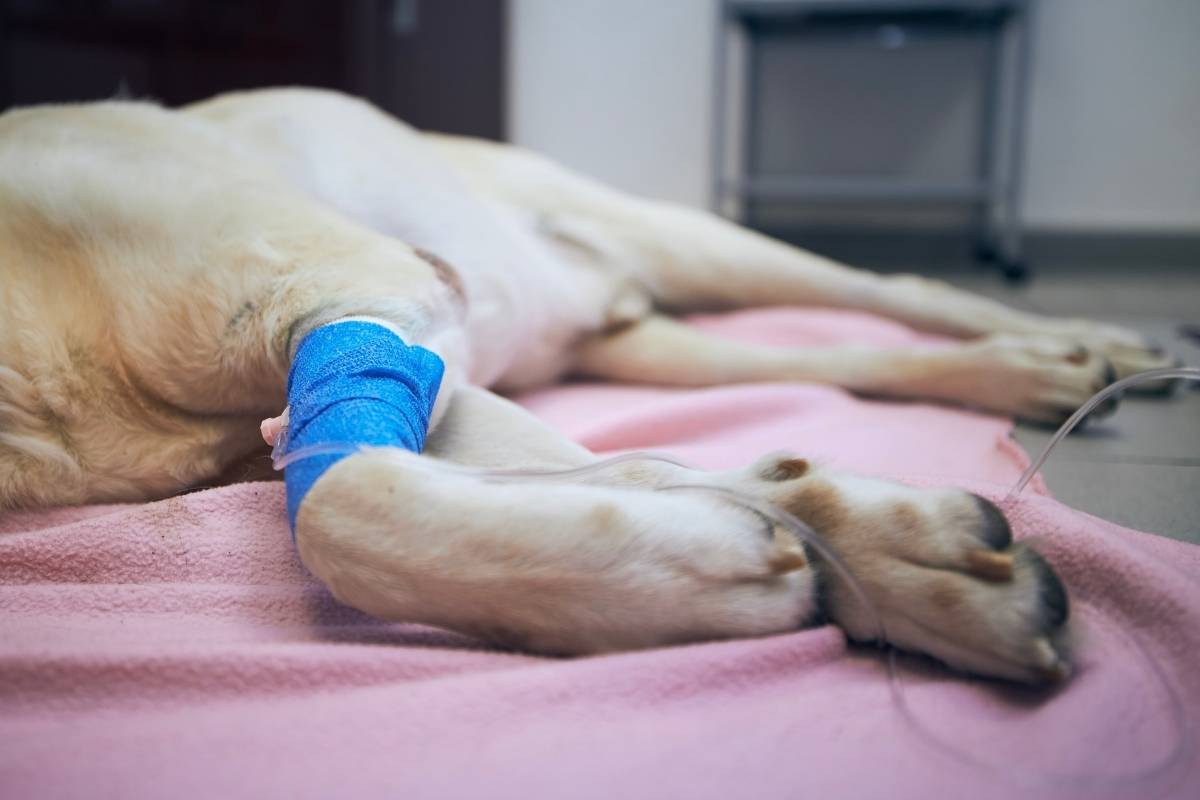
Watching your dog struggle to get up, climb stairs, or even walk comfortably is one of the most difficult experiences for any pet owner. Joint pain in dogs is incredibly common, and for many pets, medications provide meaningful relief. However, medications are not always the complete answer. There comes a point when anti-inflammatory drugs and pain relievers simply manage symptoms without ever addressing the root problem.
Understanding the difference between when medication is enough and when surgery becomes necessary can significantly impact your dog’s quality of life. This guide is designed to help pet owners everywhere recognize those critical warning signs, and for dog owners in Bettendorf, IA, having a trusted local resource makes all the difference.
Why Medications Alone Sometimes Fall Short
Medications such as NSAIDs (non-steroidal anti-inflammatory drugs), joint supplements, and corticosteroids are often the first line of defense for canine joint conditions like arthritis, hip dysplasia, or ligament injuries. These treatments can reduce inflammation and temporarily ease discomfort.
However, medications only mask the pain. They do not repair torn ligaments, correct structural deformities, or remove bone fragments causing friction inside a joint. When the underlying damage continues to worsen, your dog’s body pays the price regardless of what pills they are taking.
Key Signs Your Dog May Need Joint Surgery
1. Persistent or Worsening Limping
If your dog has been on prescribed medications for several weeks and still limps consistently, or the limping has actually gotten worse, that is a significant red flag. Occasional stiffness in the morning is one thing, but a limp that never fully resolves suggests structural damage that medications cannot fix.
2. Sudden Refusal to Bear Weight
When a dog suddenly refuses to put any weight on a leg, even during rest periods, it often signals acute injury such as a cranial cruciate ligament (CCL) tear. This is one of the most common orthopedic injuries in dogs and almost always requires surgical intervention for proper healing.
3. Visible Joint Swelling That Does Not Respond to Treatment
Noticeable swelling around the knee, hip, elbow, or shoulder that persists despite medication is a warning sign worth taking seriously. Chronic joint swelling can indicate progressive internal damage that only a surgical evaluation can properly diagnose and address.
4. Significant Muscle Loss Around the Affected Limb
When a dog consistently avoids using one leg, the muscles surrounding that joint begin to waste away, a process called muscle atrophy. If you notice one leg appearing noticeably thinner than the others, this indicates long-term compensation that goes well beyond what pain management alone can address.
5. Behavioral Changes Linked to Chronic Pain
Dogs in chronic pain often become withdrawn, irritable, or lose interest in activities they once loved. If your dog no longer wants to play, avoids interaction, or shows signs of depression, unmanaged pain from joint disease could be the underlying cause.
6. Failed Response to Multiple Medication Protocols
If your veterinarian has tried more than one type of medication or combination therapy with little to no improvement, it is a strong indicator that the problem is mechanical, meaning the joint itself needs direct repair rather than pharmaceutical support.
When to Consider Orthopedic Evaluation
Once multiple warning signs are present, requesting a formal orthopedic evaluation is the right next step. Advanced imaging, such as X-rays or MRI scans, can reveal exactly what is happening inside the joint. In many cases, orthopedic pet surgery offers the most effective long-term solution for conditions like CCL ruptures, severe hip dysplasia, elbow dysplasia, and fractures involving joint surfaces.
It is worth noting that early surgical intervention often leads to better outcomes. Waiting too long can result in secondary complications like severe arthritis, permanent joint instability, or irreversible muscle loss. Orthopedic pet surgery, when performed at the right time, can restore mobility and dramatically improve your dog’s day-to-day comfort.
No pet owner wants to see their dog in pain, and no medication should be a permanent substitute for proper treatment when surgery is truly the better option. Recognizing the signs early and seeking a thorough veterinary evaluation can spare your dog months or even years of unnecessary discomfort.
If you’re in Bettendorf, IA, and need expert guidance on whether your dog’s joint condition requires surgical care, schedule your appointment with Maplewood Veterinary Center. Our experienced team is here to evaluate your dog’s specific needs, walk you through all available treatment options, and help you make the most informed decision for their long-term health and happiness.
FAQs:
Q1: How do I know if my dog’s limping needs surgery or rest?
Ans: Limping that lasts more than a few days, worsens over time, or involves complete refusal to use the limb should be evaluated by a veterinarian. Imaging will help determine whether surgery is necessary.
Q2: Can older dogs safely undergo joint surgery?
Ans: Age alone is not a disqualifying factor. Vets assess overall health, organ function, and anesthesia risk. Many senior dogs recover well from joint surgery with proper care.
Q3: Is joint surgery a guaranteed cure for my dog’s pain?
Ans: Surgery significantly improves outcomes for most structural joint problems, but post-surgical rehabilitation and follow-up care are equally important for full recovery.
Q4: What happens if I delay my dog’s joint surgery?
Ans: Delaying surgery when it is medically necessary can lead to chronic joint degeneration, severe arthritis, and a reduced chance of full recovery.
Q5: Are there non-surgical alternatives I should try first?
Ans: Yes, physical therapy, weight management, laser therapy, and joint injections are often tried first. Surgery is recommended when these approaches fail to provide adequate relief.
Q6: How long does recovery take after dog joint surgery?
Ans: Recovery varies by procedure and dog size but typically ranges from six to sixteen weeks, with physical rehabilitation playing a major role in the healing process.