
When a dog suddenly starts limping or avoids putting weight on a hind leg, it can be alarming for any pet owner. One of the most common causes behind this issue is a torn cranial cruciate ligament (CCL), similar to an ACL injury in humans. This condition can lead to pain, instability, and long-term joint damage if left untreated. Fortunately, modern veterinary medicine offers advanced solutions to restore mobility and comfort.
This guide walks you through everything you need to know, from diagnosis to recovery, so you can make informed decisions about your pet’s orthopedic health.
What Is TPLO Surgery?
Tibial Plateau Leveling Osteotomy (TPLO) is a specialized orthopedic procedure designed to stabilize a dog’s knee after a ligament tear. Instead of replacing the damaged ligament, the surgery changes the angle of the tibia (shin bone) to prevent the knee from slipping during movement.
This approach has become one of the most effective treatments for CCL injuries, particularly in active or larger dogs. Improving joint stability reduces pain and helps prevent further damage, including arthritis.
Signs Your Dog May Need Surgery
Recognizing early symptoms can help prevent complications. Common signs of a CCL injury include:
- Limping or favoring one leg
- Difficulty standing or jumping
- Swelling around the knee joint
- Decreased activity levels
- Stiffness after rest
If you notice these symptoms, a veterinary evaluation is essential to determine the best course of treatment.
What to Expect Before Surgery
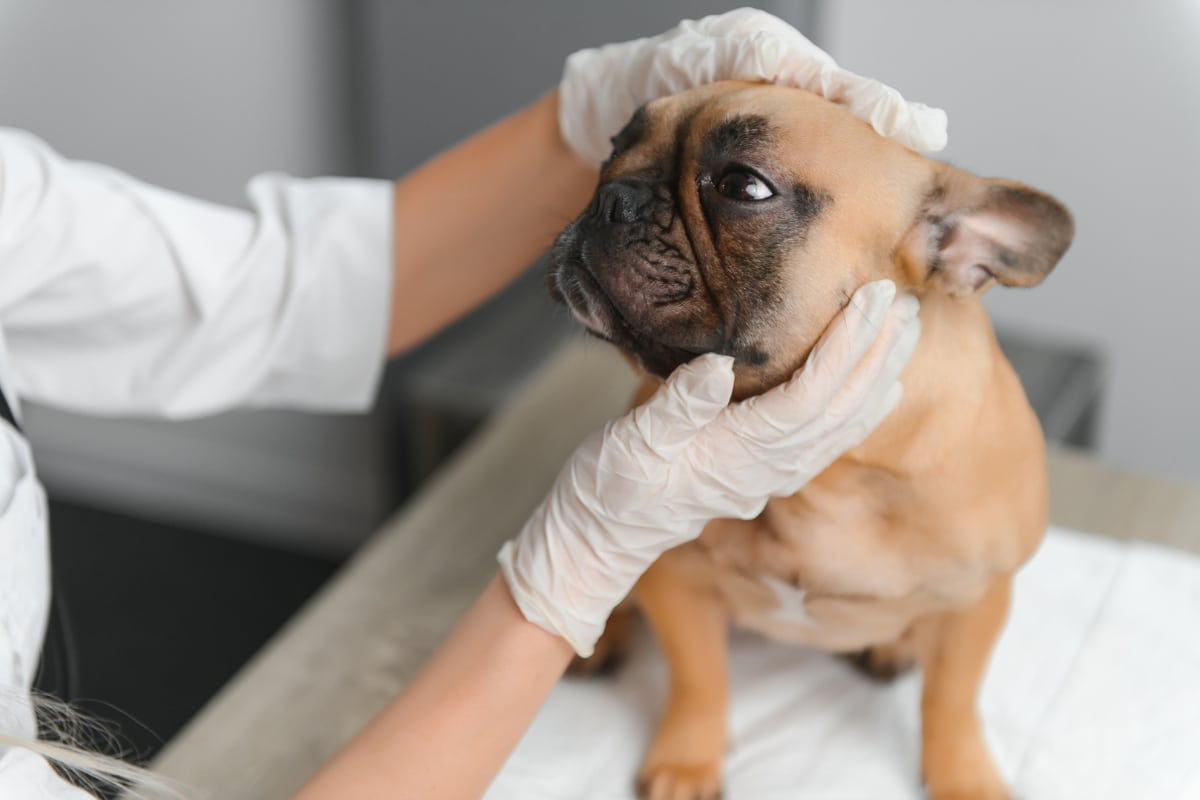
Before any orthopedic procedure, your veterinarian will perform a thorough evaluation. This typically includes a physical exam, diagnostic imaging like X-rays, and sometimes bloodwork to ensure your dog is healthy enough for anesthesia.
You’ll also receive clear pre-surgery instructions, such as fasting guidelines and medication adjustments. Preparing your home ahead of time, like setting up a quiet recovery space, can make the transition smoother after surgery.
The Procedure: How It Works
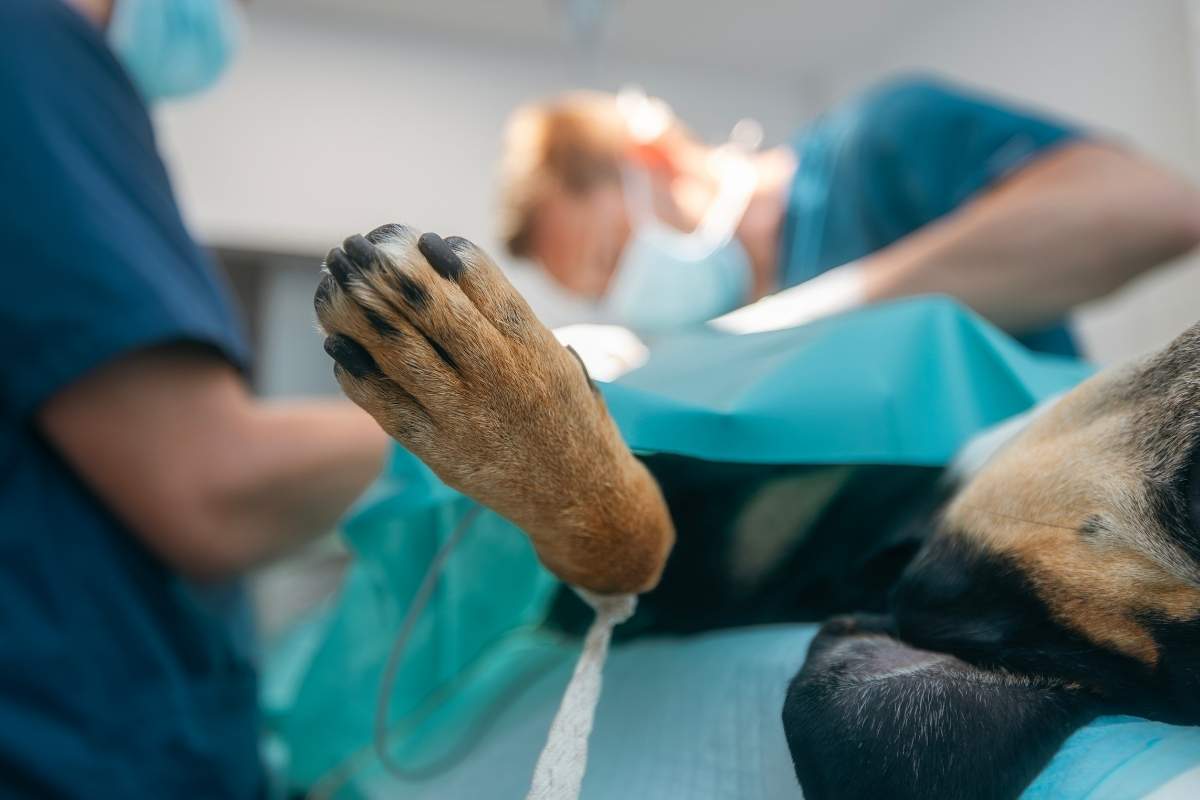
During the procedure, the surgeon carefully reshapes the tibia and secures it with a specialized metal plate and screws. This adjustment changes the angle of the knee joint, allowing it to function properly without relying on the damaged ligament. The goal is to create long-term stability so your dog can move comfortably again.
The surgery is performed under general anesthesia, and your dog is closely monitored throughout the entire process, including heart rate, oxygen levels, and vital signs. The procedure typically takes a few hours, depending on your dog’s size and the complexity of the case.
After surgery, your dog will be moved to a recovery area where they are monitored as they wake up from anesthesia. Pain management is started right away to keep them comfortable. Most dogs stay at the clinic for observation to ensure they are stable, alert, and recovering well before being discharged. You’ll receive detailed instructions on post-operative care, including medication, activity restrictions, and follow-up visits to support a smooth recovery.
Recovery Timeline and Aftercare
Recovery plays a major role in the success of the procedure. While each dog heals differently, the general process includes:
First 2 Weeks
- Strict rest and limited movement
- Pain management and incision care
- Short, controlled bathroom breaks
Weeks 3–8
- Gradual introduction of light activity
- Leash walks to rebuild strength
- Follow-up visits to monitor healing
After 8 Weeks
- Increased activity based on veterinary guidance
- Continued rehabilitation exercises
- Return to normal routines over time
Consistency is key. Following post-operative instructions helps prevent complications and supports proper healing.
Long-Term Benefits of TPLO Surgery
When performed correctly and followed by proper care, TPLO surgery can significantly improve a dog’s quality of life. Benefits include:
- Reduced pain and inflammation
- Improved joint stability
- Lower risk of future injuries
- Better mobility and activity levels
Many dogs return to their normal, active lifestyles after recovery, making this procedure a reliable option for long-term joint health.
Ready to Take the Next Step?
If your dog is showing ongoing signs of discomfort or mobility issues, early intervention is important. Consulting a trusted veterinary team ensures an accurate diagnosis and a treatment plan tailored to your pet’s specific condition and lifestyle. Clinics that offer advanced orthopedic services can guide you through both surgical and non-surgical options, helping you understand what’s best for your dog’s long-term health and mobility.
Choosing timely care can make a meaningful difference – not only in reducing pain but also in preventing further joint damage and improving overall quality of life. With the right approach, many dogs can return to their normal routines, enjoy daily activities, and stay active for years to come. At Maplewood Veterinary Center, we are committed to providing expert evaluation and compassionate care at every stage of your pet’s journey. From diagnosis to recovery, we focus on personalized treatment plans designed to support long-term mobility and comfort.
If you’re in Bettendorf and need guidance from a vet near you on your dog’s recovery after TPLO surgery, schedule a consultation with Maplewood Veterinary Center. Our experienced team will walk you through each stage of your dog’s rehabilitation, helping them heal safely and get back to an active, pain‑free life. Book an appointment today to receive personalized care and advice tailored to your dog’s unique needs.
FAQs
Q1. How long does it take for a dog to fully recover?
Ans. Most dogs recover within 8–12 weeks, though full healing and strength may take a few months depending on age and overall health.
Q2. Is the surgery safe for all dogs?
Ans. The procedure is generally safe, especially when performed by experienced veterinarians. A pre-surgical evaluation ensures your dog is a good candidate.
Q3. Will my dog be in pain after surgery?
Ans. Pain is managed with medications and proper care. Most dogs become more comfortable as healing progresses.
Q4. Can small dogs benefit from this procedure?
Ans. Yes, although treatment recommendations may vary. Your veterinarian will determine the best option based on size, activity level, and severity of the injury.
Q5. What happens if the injury is not treated?
Ans. Untreated ligament injuries can lead to chronic pain, joint instability, and arthritis, significantly affecting your dog’s quality of life.
Q6. Can my dog return to normal activity?
Ans. With proper recovery and rehabilitation, many dogs regain full or near-full activity levels over time.