Keeping pets properly hydrated is essential for their overall health. Water supports important body functions such as digestion, circulation, and temperature regulation. When pets do not drink enough water, they may become dehydrated, which can lead to serious health issues.
At Maplewood Veterinary Center, we often remind pet owners that hydration is a key part of daily pet care. While some pets drink enough on their own, others may need encouragement, especially during warm weather or periods of increased activity.
Understanding how to keep your pet hydrated can help support their long-term well-being. This guide highlights simple hydration tips and warning signs of dehydration, especially helpful for pet owners in Bettendorf, IA, who want to keep their pets healthy year-round.
Why Hydration Is Important for Pets
Water is essential for nearly every bodily function in dogs and cats. Proper hydration helps regulate body temperature, transport nutrients, flush toxins, and support healthy organ function.
Pets that stay well hydrated may experience benefits such as:
- Improved digestion and nutrient absorption
- Better kidney and urinary health
- Healthy skin and coat
- Proper temperature regulation
When pets don’t get enough water, they may be at risk of dehydration, which can quickly become a serious concern if not addressed.
Signs Your Pet May Be Dehydrated
Recognizing the early signs of dehydration can help pet owners take action quickly. Some symptoms may be subtle at first but can become more serious over time.
Common signs of dehydration include:
- Dry or sticky gums
- Lethargy or decreased energy
- Loss of appetite
- Sunken eyes
- Reduced skin elasticity
If you notice these symptoms, it may be important to seek professional veterinary care to determine the underlying cause and ensure your pet receives proper treatment.
How Much Water Do Pets Need?
The amount of water a pet needs can vary depending on their size, diet, activity level, and environment.
As a general guideline, dogs and cats often need about one ounce of water per pound of body weight per day. However, factors such as exercise, warm weather, and certain medical conditions may increase hydration needs.
Providing fresh, clean water at all times is one of the simplest and most effective ways to support your pet’s health.
Tips to Encourage Your Pet to Drink More Water
Some pets naturally drink plenty of water, while others may need a little encouragement. These simple strategies can help increase daily water intake.
Provide Fresh Water Daily
Pets are more likely to drink when the water is clean and fresh. Replacing water regularly and washing bowls can help keep it appealing.
Use Multiple Water Bowls
Placing water bowls in different areas of your home can make it easier for pets to access water throughout the day.
Try a Pet Water Fountain
Many pets are attracted to moving water. A pet fountain can encourage drinking by keeping water circulating and fresh.
Add Moisture to Meals
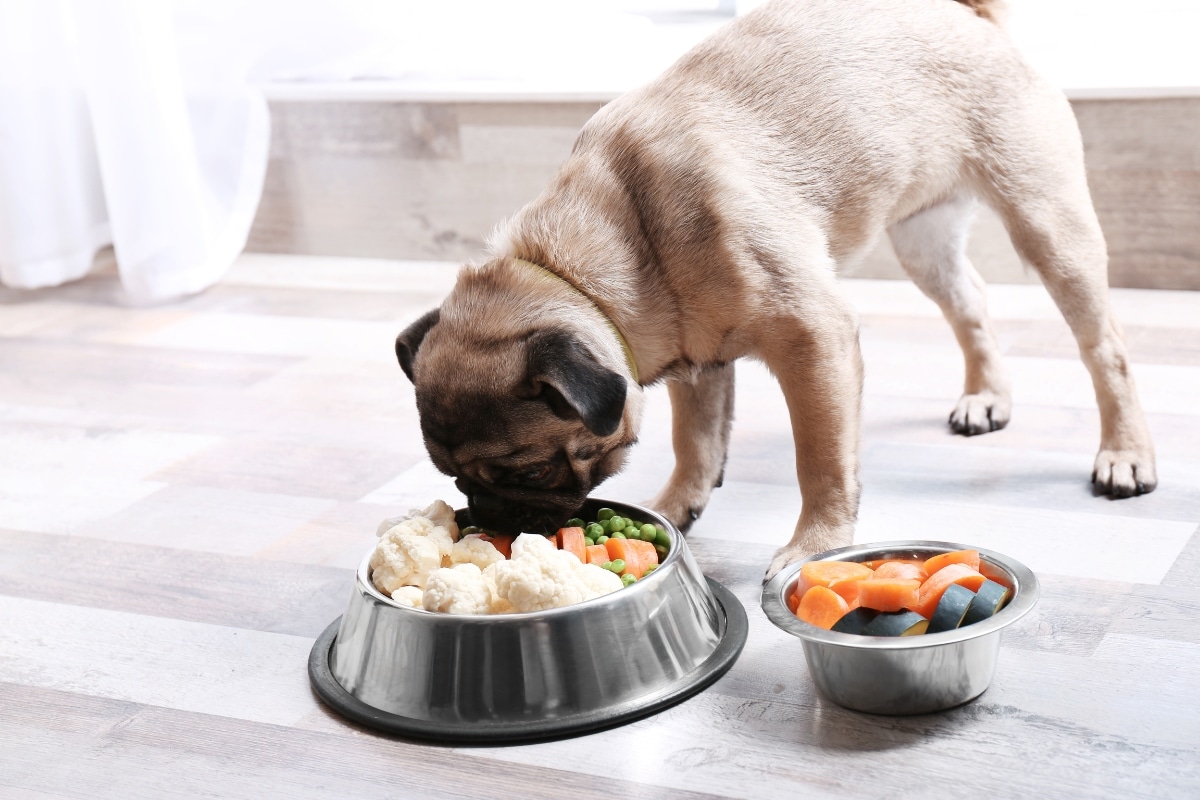
Adding water or offering wet food can increase overall moisture intake, especially for pets that drink less frequently.
Bring Water During Outdoor Activities
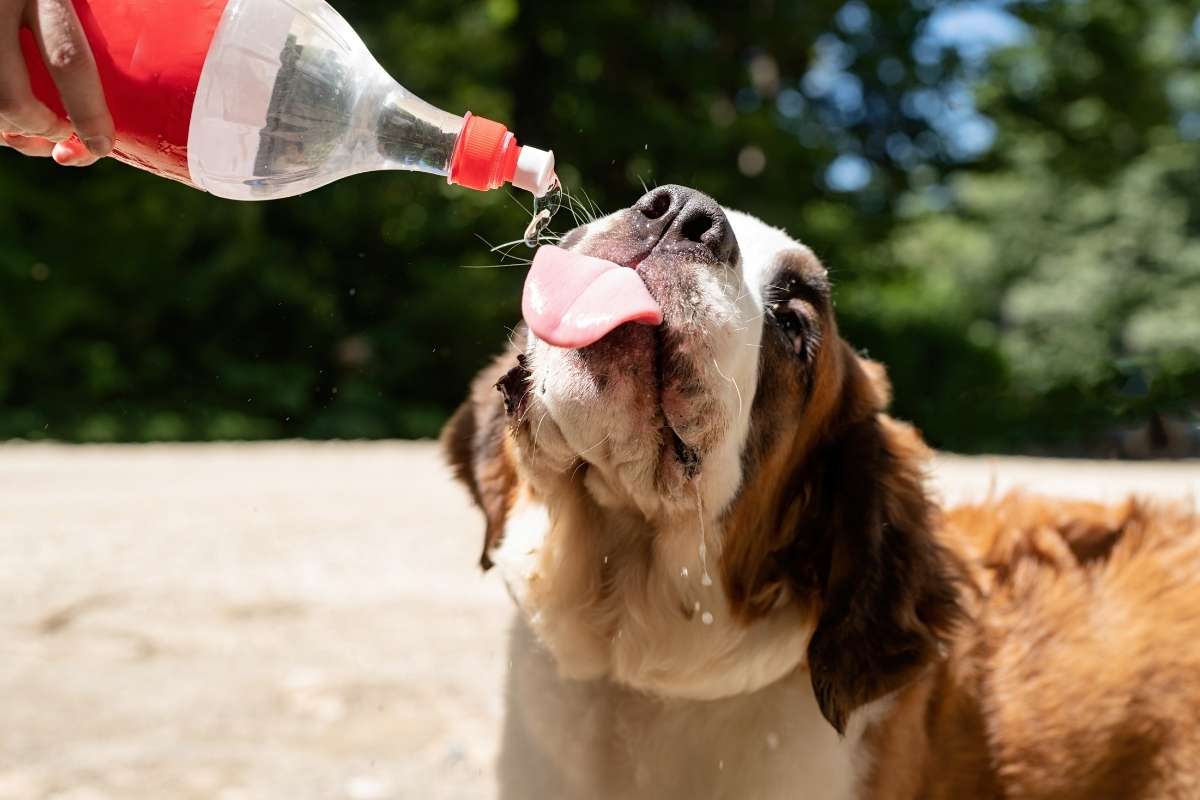
When walking or traveling with your pet, bringing water along helps ensure they stay hydrated during exercise or warm weather.
Seasonal Hydration Considerations
Hydration becomes even more important during warmer months when pets may lose more fluids through panting and activity.
Pet owners should be especially mindful of:
- Providing shaded rest areas
- Avoiding prolonged activity during extreme heat
- Ensuring constant access to clean water
Pets that spend time outdoors or exercise frequently may require additional hydration to maintain healthy body function.
Hydration and Senior Pets
Older pets may have unique hydration needs. Some senior dogs and cats may drink less frequently, while others may experience increased thirst due to underlying health conditions.
Monitoring water intake is an important part of ongoing veterinary care, particularly for aging pets. Routine wellness exams allow veterinarians to assess hydration levels and identify potential health concerns early.
When to Consult a Veterinarian
If your pet refuses to drink water, shows signs of dehydration, or experiences sudden changes in thirst, it is important to seek veterinary guidance.
A veterinarian can evaluate your pet’s overall health and determine whether an underlying condition may be affecting hydration.
Early evaluation can help prevent complications and ensure pets receive the care they need to stay healthy.
Hydration plays a vital role in maintaining the health and well-being of both dogs and cats. By ensuring access to fresh water, encouraging regular drinking, and recognizing early signs of dehydration, pet owners can help support their pet’s daily health.
Understanding how to keep your pet hydrated is a simple yet important part of responsible pet ownership. Small steps such as refreshing water bowls, adding moisture to meals, and monitoring drinking habits can make a meaningful difference in your pet’s comfort and overall wellness.
If you have concerns about your pet’s hydration or overall health, the team at Maplewood Veterinary Center is here to help. Pet owners in Bettendorf, IA, who want to support their pet’s long-term health can benefit from professional guidance and routine checkups. You can schedule your appointment to discuss your pet’s hydration needs and overall wellness.
Frequently Asked Questions (FAQs)
Q1. How can I tell if my pet is dehydrated?
Ans. Common signs include dry gums, lethargy, sunken eyes, and decreased appetite. If symptoms persist, a veterinarian should evaluate your pet.
Q2. Why does my pet drink very little water?
Ans. Some pets may drink less due to diet, environment, or personal habits. However, persistent changes in drinking behavior should be evaluated by a veterinarian.
Q3. Can wet food help keep pets hydrated?
Ans. Yes, wet food contains higher moisture content and can help increase overall hydration levels.
Q4. How often should I change my pet’s water?
Ans. Fresh water should be provided daily, and bowls should be cleaned regularly to prevent bacterial buildup.
Q5. Do pets need more water during hot weather?
Ans. Yes, pets often require more water during warm temperatures or after physical activity.
Q6. Should I be concerned if my pet drinks too much water?
Ans. Excessive thirst can sometimes indicate an underlying medical condition. If you notice sudden changes in water intake, consult a veterinarian.