

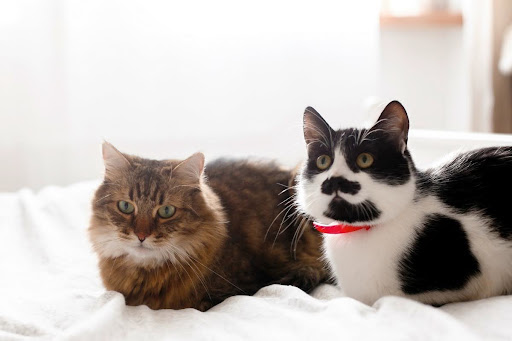
Deciding whether to have one cat or two is an important choice for any potential cat owner. While some cats thrive as the only pet in a household, others enjoy the companionship, play, and social interaction that another cat can provide. Therefore, there is no universal answer to the question of how many cats you should have.
The right choice depends on several factors, including your cat’s personality, age, activity level, home environment, budget, and ability to provide individual attention. A second cat can create a rewarding relationship between two compatible animals, but introducing another cat can also create territorial stress if the personalities or living arrangements are not a good match.
Before bringing another cat home, consider both the benefits and responsibilities involved. Think about available space, litter boxes, food, enrichment, preventive care, and potential veterinary expenses. Most importantly, consider whether your current cat actually wants or needs feline companionship.
For anyone planning responsible vet care, understanding these factors can help you make a decision that supports the health, comfort, and well-being of every cat in your household. Whether you choose one cat or two, thoughtful preparation can make a significant difference.
Is One Cat or Two Better?
Neither option is automatically better. Cats have individual personalities, and their social preferences can vary considerably.
Some cats enjoy spending time with other cats. They may groom each other, sleep together, chase one another around the house, and engage in playful interactions. Other cats prefer having their own territory and may become stressed when another feline enters their space.
Kittens often have high energy levels and may benefit from a compatible playmate. However, an adult or senior cat may not appreciate the constant activity of a young kitten.
Therefore, choosing between one cat and two should start with the individual cat rather than a general assumption that cats always need a companion.
Benefits of Having One Cat
A single-cat household can provide several advantages.
More Individual Attention
When you have one cat, you can focus your attention on that individual pet. You may find it easier to understand their personality, routines, preferences, and behavioral patterns.
You can also tailor enrichment activities to your cat’s specific interests.
Fewer Household Expenses
One cat generally means lower costs for food, litter, preventive care, toys, grooming, and veterinary services.
Unexpected medical expenses can also be easier to manage when you are responsible for one pet rather than multiple animals.
Simpler Resource Management
A single cat does not need to share food, water, resting areas, scratching posts, or litter boxes with another cat.
This can reduce the possibility of competition over resources.
Easier Introduction to the Household
Bringing one cat into your home eliminates the need to manage a cat-to-cat introduction.
You can focus entirely on helping your new pet become comfortable with their surroundings.
Benefits of Having Two Cats
Two cats can also offer meaningful advantages when they are compatible.
Built-In Social Interaction
Some cats enjoy having another feline nearby. A compatible companion can provide social interaction throughout the day.
The cats may groom each other, sleep together, or simply spend time in the same room.
More Opportunities for Play
Two energetic cats may encourage each other to chase, wrestle, and explore.
This can provide additional physical activity and mental stimulation. However, owners should still provide interactive play with humans because another cat does not replace human attention.
Companionship During the Day
If you spend several hours away from home, a compatible second cat may provide social interaction while you are gone.
That does not mean a single cat cannot be happy alone. Many cats adapt well to periods of solitude when their environment includes appropriate enrichment.
Learning and Social Development
Cats can sometimes learn from one another.
A confident, well-socialized cat may help a younger or more cautious cat become comfortable with household routines. However, cats can also influence each other negatively, so compatibility remains important.
Factors to Consider Before Getting a Second Cat
Before adopting another cat, evaluate your household carefully.
Your Current Cat’s Personality
Start with the cat you already have.
Does your cat seek interaction with other animals? Have they previously lived successfully with cats? Do they become stressed easily?
A friendly, playful cat may be more receptive to a companion. A highly territorial or anxious cat may prefer being the only pet.
Age and Energy Level
Age can significantly influence compatibility.
A young kitten may have enough energy to play for hours, while an older cat may prefer quiet naps.
Pairing cats with similar activity levels can sometimes make the relationship easier.
However, personality matters just as much as age.
Available Space
Your home does not need to be enormous to accommodate two cats, but each cat should have access to comfortable personal space.
Provide multiple resting locations, scratching areas, hiding places, and elevated spaces.
Vertical territory, such as cat trees and shelves, can help cats create distance when they need it.
Your Budget
Two cats mean two sets of ongoing responsibilities.
Consider the costs of:
- Food
- Litter
- Vaccinations
- Wellness examinations
- Parasite prevention
- Dental care
- Medications
- Grooming
- Toys
- Emergency veterinary treatment
Before adopting a second cat, make sure your budget can accommodate both routine and unexpected expenses.
How to Tell Whether Your Cat May Want a Companion
No single behavior proves that a cat needs another cat.
However, certain characteristics may suggest that your pet could enjoy feline companionship.
Your cat may be a potential candidate for a companion if they:
- Show interest in other cats
- Enjoy interactive play
- Have successfully lived with cats before
- Frequently seek social interaction
- Remain relaxed around other animals
On the other hand, caution may be appropriate if your cat:
- Becomes highly stressed around other animals
- Displays territorial aggression
- Frequently hides when visitors arrive
- Has difficulty adjusting to environmental changes
- Strongly prefers solitude
Even then, individual circumstances matter. A veterinary professional or qualified feline behavior professional can help you evaluate your cat’s specific situation.
Choosing the Right Second Cat
If you decide that another cat may be appropriate, focus on compatibility rather than appearance.
Consider the potential companion’s:
- Personality
- Age
- Energy level
- Socialization
- Health history
- Previous experience with cats
For example, pairing two highly energetic young cats may provide plenty of opportunities for play. Conversely, two calm adult cats may be better suited to a quieter household.
If you are adopting from a shelter or rescue organization, ask staff about the cat’s behavior around other animals. Their observations may help you identify a suitable match.
How to Introduce a Second Cat
A slow introduction can reduce stress and improve the likelihood of a positive relationship.
Start With Separate Rooms
Keep the new cat in a separate room initially. Provide everything they need, including food, water, litter, bedding, hiding spaces, and enrichment.
This gives the new cat time to adjust while preventing an immediate territorial confrontation.
Introduce Their Scents
Cats rely heavily on scent when interpreting their environment.
Exchange bedding or other safe items between the cats so they can gradually become familiar with each other’s smell.
Allow Visual Contact
Once both cats appear comfortable, allow them to see each other through a secure barrier.
Look for relaxed body language before progressing.
Arrange Short Supervised Meetings
When the cats show signs of acceptance, allow brief supervised interactions.
Keep these sessions calm and end them before either cat becomes overwhelmed.
Increase Time Together Gradually
Do not rush the process.
Some cats may adjust within days, while others require weeks or longer.
If tension increases, return to the previous step and slow the introduction.
Providing Enough Resources for Two Cats
A successful multi-cat home requires more than simply adding another food bowl.
Litter Boxes
A commonly recommended setup is one litter box per cat plus one additional box.
Place boxes in different quiet areas when possible.
Food and Water
Multiple feeding and water stations can reduce competition and allow each cat to eat comfortably.
Resting Spaces
Provide several beds, blankets, hiding areas, and elevated locations.
Each cat should have options for resting alone.
Scratching Areas
Place multiple scratching posts or surfaces throughout the home.
This helps prevent competition and allows cats to engage in natural scratching behavior.
Signs That Two Cats May Not Be Getting Along
Some disagreements are normal while cats establish boundaries. However, persistent conflict can indicate that the relationship needs attention.
Watch for:
- Repeated fighting
- Persistent chasing
- Blocking access to food or litter boxes
- Excessive hiding
- Urinating outside the litter box
- Changes in appetite
- Excessive grooming
- Constant hissing or growling
- Avoidance of specific areas
If these behaviors continue, do not simply assume that the cats will eventually work things out.
Separate them when necessary and seek professional guidance.
Health Considerations for a One-Cat or Two-Cat Household
Whether you have one cat or several, preventive healthcare remains important.
Each cat needs individualized attention to nutrition, vaccinations, parasite prevention, dental health, weight management, and routine wellness examinations.
When bringing a new cat into your household, schedule an appropriate veterinary evaluation. Your veterinarian can assess the new cat’s health and recommend preventive measures before prolonged contact with resident pets.
Regular examinations also help establish a health baseline and make it easier to recognize future changes.
Building a Happy Multi-Cat Household
If you decide that two cats are right for your home, focus on creating an environment that allows both animals to feel secure.
At Maplewood Veterinary Center, cat owners can discuss preventive care, behavior concerns, nutrition, and other wellness considerations when preparing for life with one or multiple cats.
Remember that cats need choice. Give them opportunities to interact, but also provide places where they can retreat.
Furthermore, spend individual time with each cat. Play separately, provide one-on-one affection, and observe each pet’s behavior.
This approach can help prevent one cat from feeling overlooked.
When One Cat Is the Better Choice
There is nothing wrong with choosing to have only one cat.
One cat may be the better option if your current pet strongly prefers solitude, your living space cannot comfortably accommodate multiple animals, or your budget does not allow for additional veterinary and household expenses.
A single cat can thrive when you provide appropriate play, mental stimulation, social interaction, scratching opportunities, vertical space, and comfortable places to rest.
The goal is not to have the maximum number of pets. The goal is to provide the best possible life for the animal or animals in your care.
Choosing between one cat and two requires careful consideration. Two compatible cats can provide companionship, play, and social interaction. However, multiple cats also require additional resources, financial planning, space, and thoughtful introductions.
Before adopting a second cat, consider your current cat’s personality, age, energy level, and previous experiences. Then evaluate your home, schedule, and budget.
If you choose to bring home another cat, introduce the animals gradually and provide enough litter boxes, food stations, resting areas, scratching surfaces, and hiding places for everyone.
Ultimately, the right number of cats is the number you can responsibly care for while meeting each pet’s physical, emotional, and health needs.
If you are considering adding another cat to your household and want guidance about your pets’ health and wellness, contact us at Maplewood Veterinary Center to discuss your situation with a veterinary professional.
Frequently Asked Questions
Q1. Is it better to have one cat or two?
Ans: There is no universal answer. Some cats enjoy feline companionship, while others prefer living alone. Personality, age, energy level, home environment, and the owner’s ability to provide care should guide the decision.
Q2. Do cats need another cat for companionship?
Ans: No. Cats do not automatically need another cat to be happy. A single cat can thrive with appropriate human interaction, enrichment, play, exercise, and a stimulating environment.
Q3. Are two cats harder to take care of than one?
Ans: Two cats require additional food, litter, supplies, veterinary care, and household resources. However, compatible cats can also provide companionship and play opportunities for each other.
Q4. What is the best age to get a second cat?
Ans: There is no single ideal age. Compatibility depends more on personality, energy level, socialization, and the temperament of the resident cat. A calm adult cat may not be comfortable with a highly energetic kitten.
Q5. How long does it take for two cats to get along?
Ans: The adjustment period varies. Some cats become comfortable within days, while others may need several weeks or longer. Slow, controlled introductions can help reduce stress.
Q6. How many litter boxes do I need for two cats?
Ans: A commonly recommended approach is one litter box per cat plus one additional box. For two cats, that means three litter boxes when possible. Placing them in separate accessible areas can also help reduce competition.