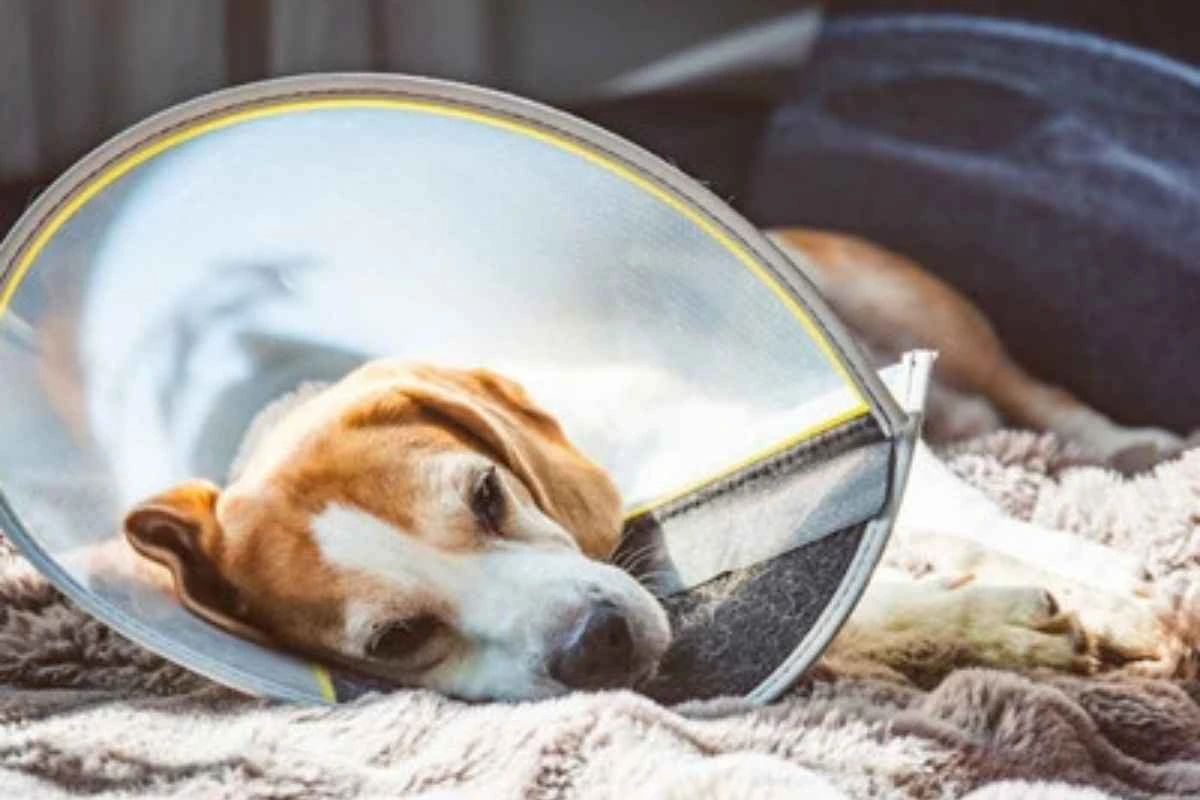
No pet owner enjoys hearing the word “surgery.” It naturally brings concern about safety, anesthesia, and recovery. However, many procedures veterinarians perform every day are routine and highly beneficial. In fact, Common Veterinary Surgeries often prevent serious illness, relieve pain, and significantly improve a pet’s quality of life.
Modern medicine has made surgical care safer than ever before. Today’s veterinary teams carefully monitor the heart, lungs, temperature, and oxygen levels throughout the procedure. Because of these advances, most pets recover quickly and return to normal behavior within a short time.
Understanding why surgery may be necessary helps reduce anxiety and prepares you to make confident decisions for your pet — especially for families caring for pets in Bettendorf, IA.
Why Surgery May Be Necessary
Pets rely on us to recognize when something is wrong. Unlike people, they rarely complain. Instead, they show subtle signs such as limping, reduced appetite, swollen skin, or difficulty chewing food.
Surgery is typically recommended for three main reasons:
- Preventing future health problems
- Treating disease or infection
- Repairing injuries
Additionally, early treatment often prevents complications affecting important areas of the body, including the mouth, abdomen, bladder, joints, and internal organs.
1. Spay and Neuter Procedures
Spaying and neutering are the most common surgical procedures performed on pets.
Spay (Female Pets)
The veterinarian removes the ovaries and uterus through a small abdominal incision. This procedure prevents pregnancy and eliminates the risk of uterine infections.
Neuter (Male Pets)
The veterinarian removes the testicles through a minor operation. Recovery is typically quick and comfortable.
Benefits
- Prevents unwanted litters
- Reduces roaming and aggression
- Decreases hormone-related behaviors
- Lowers risk of reproductive cancers
Furthermore, spaying dramatically reduces the risk of life-threatening uterine infections called pyometra.
2. Dental Surgery and Tooth Extractions
Dental disease affects most adult pets by age three. Plaque forms on the teeth, hardens into tartar, and spreads bacteria beneath the gumline.
Common signs include:
- Bad breath
- Red gums
- Drooling
- Pawing at the mouth
- Trouble chewing food
When infection damages the tooth root or jawbone, extraction becomes necessary. Removing the painful tooth eliminates infection and allows the gums and mouth to heal.
Importantly, untreated dental infections can affect the heart, kidneys, and liver because bacteria travel through the bloodstream.
3. Lump and Tumor Removal
Many pet owners notice a lump while petting their dog or cat. Some growths are harmless fatty masses, but others may be cancerous. Therefore, veterinarians often recommend removing the mass and sending it for biopsy.
Early removal offers two advantages:
- Smaller incisions and faster healing
- Better treatment outcomes
Because the skin is the body’s largest organ, monitoring any new growth is essential.
4. Foreign Body Removal
Dogs explore the world with their mouths. Unfortunately, that curiosity sometimes leads to swallowing socks, toys, bones, or rocks. These objects can become trapped in the stomach or intestines.
Symptoms may include:
- Vomiting
- Loss of appetite
- Abdominal pain
- Lethargy
In such cases, immediate veterinary surgery is necessary to remove the obstruction and prevent intestinal rupture.
5. Bladder Stone Surgery
Bladder stones form when minerals collect inside the urinary tract. Pets with stones often strain to urinate or produce bloody urine.
Surgical removal relieves discomfort and restores normal bladder function. Afterward, veterinarians typically recommend a prescription diet to prevent recurrence.
6. Orthopedic Surgery
Active pets can injure ligaments, joints, and bones. One of the most frequent injuries in dogs is a torn cranial cruciate ligament in the knee.
Signs include:
- Limping
- Difficulty standing
- Stiff hind legs
- Reluctance to run or jump
Orthopedic procedures stabilize the joint, reduce inflammation, and restore mobility. With proper recovery care, most pets regain normal activity.
7. Eye and Eyelid Procedures
Eye problems require quick attention because vision can deteriorate rapidly. Veterinarians treat several conditions surgically, including:
- Cherry eye
- Corneal ulcers
- Eyelid abnormalities
- Certain cataracts
Prompt care protects the eye and prevents chronic pain.
Preparing Your Pet for Surgery
Before surgery, your veterinarian performs a physical exam and pre-anesthetic bloodwork. These tests evaluate organ function and confirm your pet can safely receive anesthesia.
Typically, you will:
- Withhold food overnight
- Provide medications as directed
- Arrive early for monitoring preparation
Your pet will receive IV fluids and continuous monitoring during the procedure.
Recovery and Aftercare
Recovery plays a crucial role in healing. Fortunately, most pets bounce back quickly with proper care.
Follow these steps:
- Restrict running and jumping
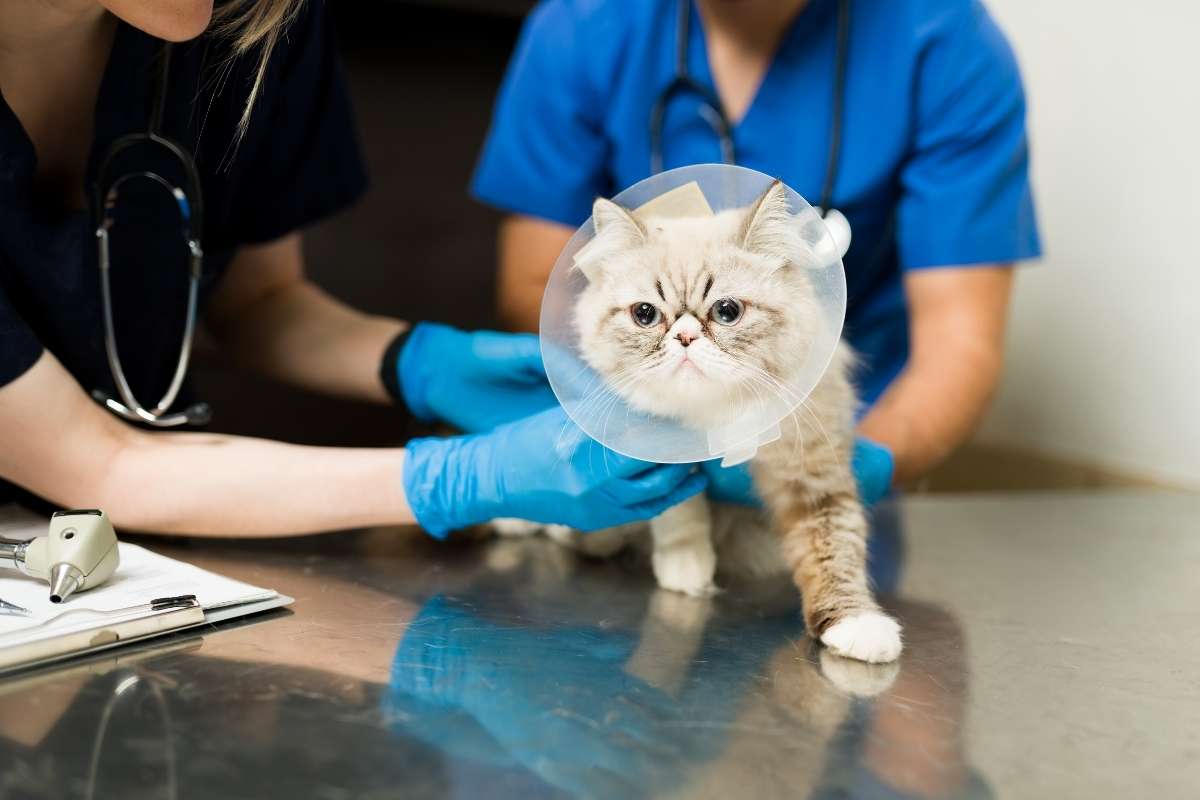
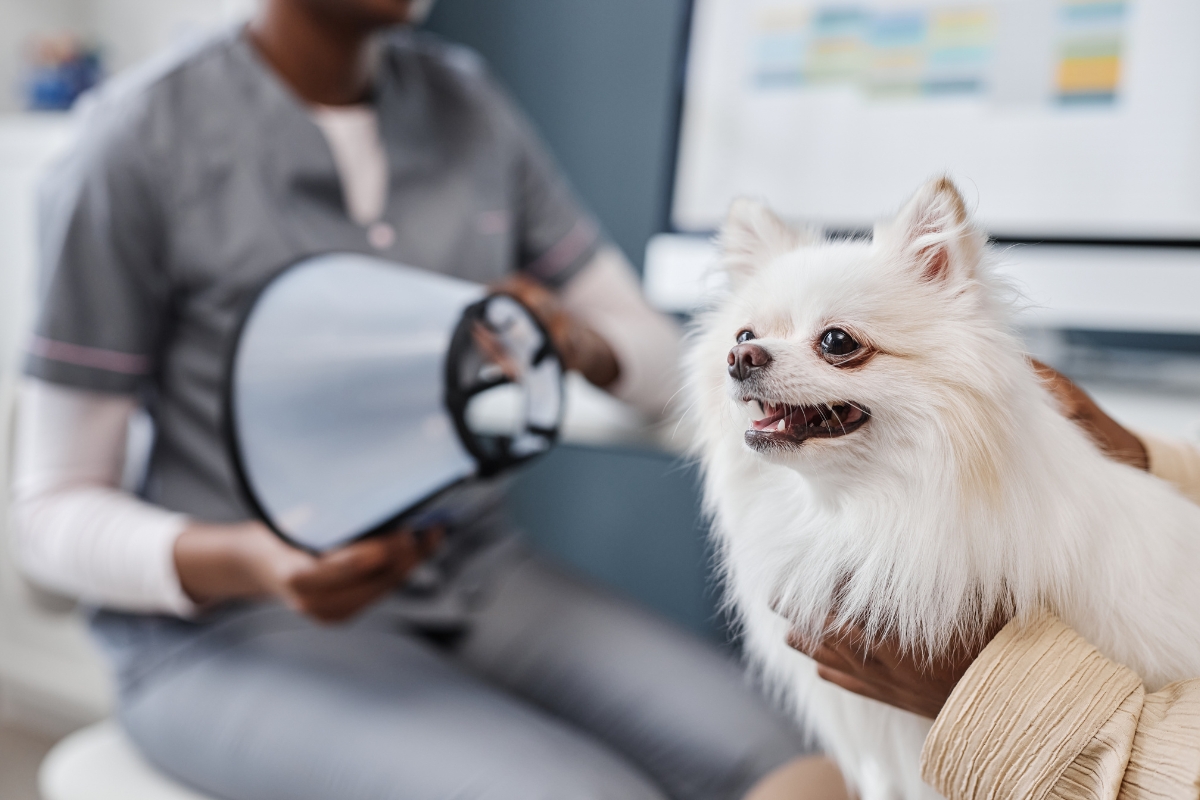
- Use an e-collar to prevent licking
- Give medications on schedule
- Keep the incision clean and dry
Watch for redness, swelling, discharge, or changes in appetite. If you notice any concerns, contact your veterinarian promptly.
Preventing Future Surgical Problems
While not every surgery can be prevented, consistent wellness visits greatly reduce risk. Routine exams help detect dental disease, abdominal changes, skin growths, and joint stiffness early.
Healthy habits also help:
- Balanced nutrition
- Weight control
- Dental hygiene
- Regular exercise
Early detection remains the best protection for long-term health.
Although surgery can feel intimidating, many procedures are routine and greatly improve comfort and longevity. From dental treatment to bladder stone removal and orthopedic repair, timely care protects your pet’s body and prevents serious complications.
If you are in Bettendorf, IA, and looking for a veterinarian near you, book an appointment with Maplewood Veterinary Center. Our experienced team provides careful evaluation, safe procedures, and attentive follow-up care so your pet can heal smoothly and return to a happy, active life.
FAQs
Q1. Is anesthesia safe for pets?
Ans. Yes. Modern monitoring equipment makes anesthesia very safe for most healthy pets.
Q2. How long does recovery usually take?
Ans. Most pets heal within 10–14 days, depending on the procedure.
Q3. Will my pet be in pain afterward?
Ans. No. Pain medications are prescribed to keep pets comfortable.
Q4. Can older pets have surgery safely?
Ans. Yes. Age alone is not a risk; overall health matters more.
Q5. What should I feed after surgery?
Ans. Offer small, bland meals initially and follow your veterinarian’s instructions.
Q6. When should I call the vet after surgery?
Ans. Contact them if you notice swelling, discharge, vomiting, or refusal to eat.