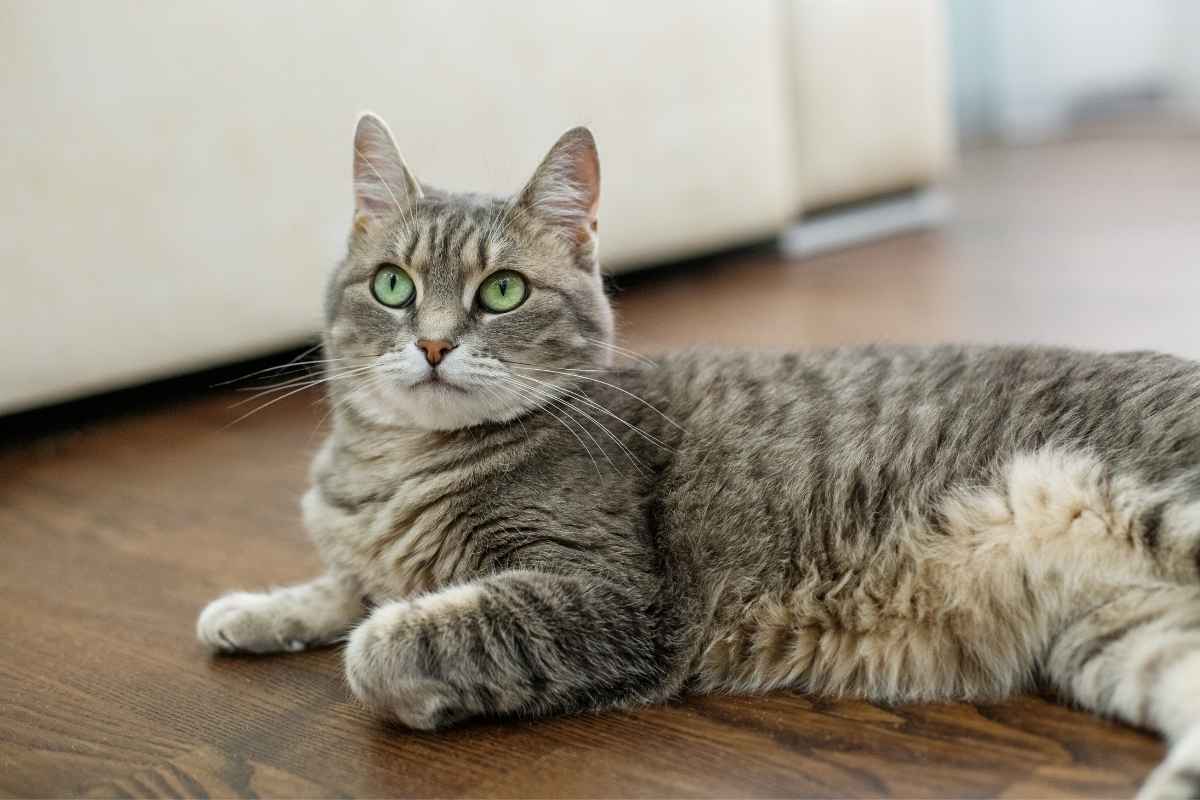

Weight loss in cats is not always easy to notice. Their thick fur can hide gradual changes in body condition, making it difficult for pet owners to recognize a problem until it becomes significant. While some weight loss may occur because of dietary changes or aging, unexplained or rapid weight loss often signals an underlying medical condition that requires prompt veterinary attention.
Cats are experts at masking illness, so even subtle changes in weight can be an important clue that something is wrong. Understanding when weight loss becomes a cause for concern can help you seek veterinary care before your cat’s condition worsens.
If your cat is losing weight without a clear reason, especially if accompanied by other symptoms, it should never be ignored.
Why Do Cats Lose Weight?
Weight loss occurs when a cat burns more calories than it consumes or when the body cannot properly absorb nutrients.
Some common causes include:
- Kidney disease
- Hyperthyroidism
- Diabetes
- Dental disease
- Digestive disorders
- Cancer
- Liver disease
- Chronic infections
- Parasites
- Heart disease
Because many of these conditions become more common with age, senior cats should be monitored closely for changes in body weight.
When Is Weight Loss Considered Serious?
Any unexplained weight loss deserves attention, even if your cat appears to be acting normally.
Prompt veterinary evaluation is especially important if weight loss occurs along with:
- Poor appetite
- Increased thirst
- Vomiting
- Diarrhea
- Difficulty breathing
- Weakness
- Lethargy
- Changes in behavior
- Difficulty grooming
- Hiding more than usual
Rapid or ongoing weight loss often indicates that the body is struggling with an underlying illness.
Hyperthyroidism
Hyperthyroidism is one of the most common causes of weight loss in older cats.
Affected cats often experience:
- Increased appetite
- Weight loss despite eating well
- Restlessness
- Increased vocalization
- Rapid heart rate
Early diagnosis allows treatment that can improve both quality of life and long-term health.
Chronic Kidney Disease
Kidney disease develops gradually in many older cats.
Common signs include:
- Weight loss
- Increased drinking
- Increased urination
- Poor appetite
- Vomiting
- Bad breath
Routine wellness examinations often help detect kidney disease before symptoms become severe.
Diabetes Mellitus
Cats with diabetes frequently lose weight because their bodies cannot properly use glucose for energy.
Additional symptoms may include:
- Increased thirst
- Frequent urination
- Increased appetite
- Weakness
Diabetes requires prompt diagnosis and ongoing medical management.
Dental Disease
Painful dental conditions may prevent cats from eating normally.
Signs include:
- Dropping food
- Bad breath
- Pawing at the mouth
- Reluctance to chew
- Weight loss
Professional dental care often restores comfort and improves appetite.
Digestive Disorders
Diseases affecting the stomach or intestines can interfere with nutrient absorption.
Examples include:
- Inflammatory bowel disease
- Food intolerance
- Intestinal parasites
- Gastrointestinal tumors
These conditions may also cause vomiting, diarrhea, or changes in stool quality.
Cancer
Certain cancers may cause gradual or rapid weight loss.
Additional signs vary depending on the type and location of the disease but may include:
- Reduced appetite
- Lethargy
- Vomiting
- Difficulty breathing
- Swelling
- Behavioral changes
Early diagnosis offers the greatest opportunity for appropriate treatment.
What Should You Do if Your Cat Is Losing Weight?
If you notice your cat becoming thinner:
- Monitor food intake.
- Observe water consumption.
- Record any vomiting or diarrhea.
- Watch for changes in activity.
- Schedule a veterinary examination promptly.
Do not attempt to treat unexplained weight loss with dietary supplements or human medications without veterinary guidance.
How Veterinarians Diagnose the Cause
Because weight loss has many possible causes, a thorough evaluation is essential.
Your veterinarian may recommend:
- Physical examination
- Blood tests
- Urinalysis
- Fecal testing
- Blood pressure measurement
- X-rays
- Ultrasound
- Thyroid testing
These diagnostic tools help identify the underlying disease and guide treatment.
Treatment Depends on the Underlying Condition
Treatment varies according to the diagnosis.
Depending on the cause, your cat may require:
- Prescription medications
- Therapeutic diets
- Fluid therapy
- Dental treatment
- Hormone management
- Surgery
- Long-term monitoring
Seeking pet urgent care when weight loss is accompanied by concerning symptoms allows veterinarians to begin treatment before the condition becomes more advanced.
Can Weight Loss Be Prevented?
Not every medical condition can be prevented, but routine veterinary care improves the chances of early detection.
Helpful preventive measures include:
- Annual or semiannual wellness examinations
- Regular weight checks
- Balanced nutrition
- Dental care
- Parasite prevention
- Monitoring appetite and drinking habits
Cats often lose weight gradually over weeks or months, making regular monitoring at home especially valuable. Weighing your cat periodically and paying attention to subtle changes in body condition can help identify health concerns earlier. If weight loss is accompanied by vomiting, weakness, breathing changes, or a reduced appetite, pet urgent care provides timely evaluation and appropriate medical support.
Unexplained weight loss in cats should never be dismissed as a normal part of aging. Whether the cause is kidney disease, diabetes, hyperthyroidism, dental disease, or another medical condition, early veterinary evaluation offers the best opportunity for diagnosis and treatment.
If you’re in Bettendorf, IA, and your cat is losing weight or showing other concerning symptoms, contact Maplewood Veterinary Center for prompt veterinary guidance. We proudly care for pets from Bettendorf, Davenport, Le Claire, Moline, and the surrounding area. For timely assistance or to schedule your cat’s evaluation, call 563-888-5850.
FAQs
Q1. Is weight loss normal as cats get older?
Ans: No. Although aging may change body composition, unexplained weight loss is not considered normal and should be evaluated by a veterinarian.
Q2. Why is my cat losing weight but still eating well?
Ans: Conditions such as hyperthyroidism and diabetes can cause weight loss despite a normal or increased appetite.
Q3. How much weight loss is considered concerning?
Ans: Any unexplained or ongoing weight loss should be discussed with your veterinarian, especially if it occurs alongside other symptoms.
Q4. Can dental disease cause weight loss in cats?
Ans: Yes. Painful teeth or gums may make eating difficult, leading to decreased food intake and gradual weight loss.
Q5. What tests are used to diagnose the cause of weight loss?
Ans: Your veterinarian may recommend blood work, urinalysis, fecal testing, X-rays, ultrasound, or thyroid testing, depending on your cat’s symptoms.
Q6. When should I seek veterinary care for my cat’s weight loss?
Ans: Prompt veterinary care is recommended if your cat is losing weight without explanation, especially if they also have vomiting, diarrhea, poor appetite, weakness, increased thirst, or behavior changes.