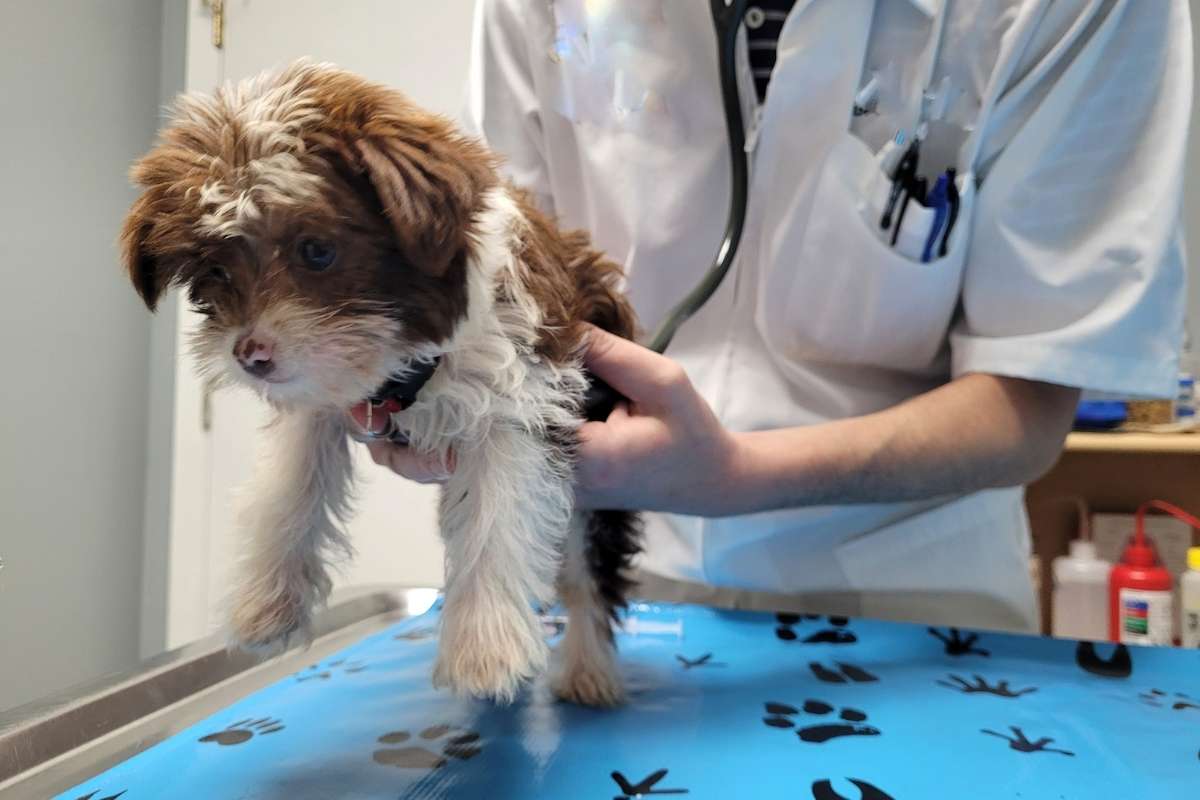
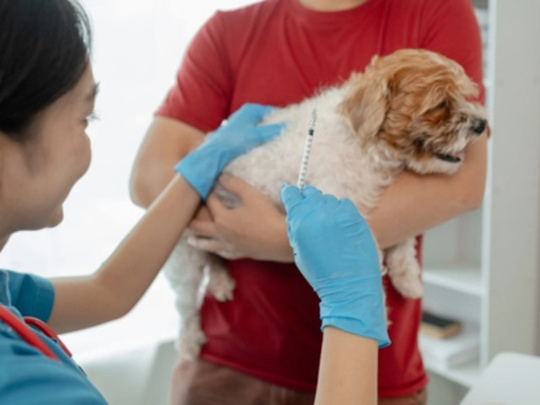
Bringing home a new puppy is an exciting experience, but it also comes with important responsibilities—one of the most critical being vaccinations. Vaccines protect puppies from serious and potentially life-threatening diseases during their most vulnerable stages of life. At Maplewood Veterinary Center, pet owners are guided through structured vaccination plans to ensure their puppies grow up healthy and protected.
A well-timed vaccination schedule is a key part of preventative care, helping build immunity and reduce the risk of infectious diseases. Understanding when and why vaccines are needed allows pet owners to make informed decisions and provide the best start for their pets.
Why Puppy Vaccinations Are Important
Puppies are born with limited immunity, which gradually declines after birth. Vaccinations help strengthen their immune system and protect against highly contagious diseases such as parvovirus, distemper, and rabies.
Key benefits include:
- Protection against life-threatening illnesses
- Reduced risk of disease transmission
- Support for overall health and development
- Compliance with local and legal requirements
Vaccination is one of the most effective forms of preventative care for young pets.
Core vs. Non-Core Vaccines
Core Vaccines
These are essential for all puppies, regardless of lifestyle:
- Distemper
- Parvovirus
- Adenovirus (hepatitis)
- Rabies
Non-Core Vaccines
These are recommended based on lifestyle, environment, and risk factors:
- Bordetella (kennel cough)
- Leptospirosis
- Lyme disease
- Canine influenza
Your veterinarian will recommend the appropriate vaccines based on your puppy’s specific needs.
Puppy Vaccination Schedule by Age
6–8 Weeks
- First round of core vaccines (DHPP: Distemper, Hepatitis, Parvovirus, Parainfluenza)
- Initial health examination
At this stage, puppies begin building immunity but are still highly vulnerable.
10–12 Weeks
- Second round of DHPP vaccine
- Optional non-core vaccines (based on risk factors)
This booster helps strengthen the immune response initiated during the first dose.
14–16 Weeks
- Final DHPP booster
- Rabies vaccine (required by law in many areas)
By this stage, puppies develop stronger immunity against major diseases.
12–16 Months
- Booster shots for core vaccines
- Rabies booster
These boosters ensure long-term protection and reinforce immunity.
What to Expect After Vaccination
Most puppies tolerate vaccines well, but mild side effects can occur.
Common reactions include:
- Mild lethargy
- Slight swelling at the injection site
- Temporary decrease in appetite
These symptoms typically resolve within a day or two. However, severe reactions such as vomiting, facial swelling, or difficulty breathing require immediate veterinary attention.
When Can Puppies Safely Go Outside?
Puppies should avoid high-risk areas until they are fully vaccinated, typically around 16 weeks of age. Before that, exposure to unknown dogs or contaminated environments can increase the risk of infection.
Safe practices include:
- Limiting contact with unfamiliar animals
- Avoiding dog parks and public areas
- Allowing controlled socialization in safe environments
Importance of Booster Shots
Vaccines are not a one-time event. Booster shots are necessary to maintain immunity throughout your dog’s life.
Adult dogs typically require:
- Annual or triennial boosters (depending on the vaccine)
- Regular health check-ups
Staying on schedule ensures continued protection against preventable diseases.
Tips for Keeping Your Puppy Healthy
In addition to vaccinations, maintaining overall health involves:
- Feeding a balanced, age-appropriate diet
- Providing regular exercise
- Scheduling routine veterinary visits
- Practicing good hygiene and parasite prevention
A combination of these factors supports healthy growth and development.
Following a proper puppy vaccination schedule is one of the most important steps in ensuring your pet’s long-term health. From early immunizations to booster shots, each stage plays a vital role in protecting against serious diseases.
For personalized vaccination plans and expert guidance, schedule your appointment with Maplewood Veterinary Center. Pet owners in Bettendorf, IA, and beyond can rely on professional care to give their puppies the healthiest possible start in life.
FAQs
Q1. When should my puppy get its first vaccines?
Ans. Puppies typically receive their first vaccines between 6–8 weeks of age.
Q2. How many vaccination rounds does a puppy need?
Ans. Most puppies require a series of 3–4 vaccinations spaced a few weeks apart.
Q3. Are puppy vaccines safe?
Ans. Yes, vaccines are generally safe, with only mild and temporary side effects in most cases.
Q4. Can I skip any vaccines?
Ans. Core vaccines should not be skipped. Non-core vaccines depend on your puppy’s lifestyle and risk factors.
Q5. When can my puppy socialize with other dogs?
Ans. After completing the full vaccination series, usually around 16 weeks of age.
Q6. How often do adult dogs need vaccines?
Ans. Adult dogs require booster shots annually or every few years, depending on the vaccine type.