
As a pet parent, you want your dog or cat to live a long, healthy life. Fortunately, preventive pet care makes that goal achievable. Rather than waiting for illness to appear, preventive care focuses on early detection, routine monitoring, and proactive treatment. As a result, your pet stays healthier, happier, and more comfortable throughout every stage of life.
Annual wellness visits are not just routine checkups. Instead, they serve as comprehensive health evaluations that assess everything from the nose and eyes to the heart, skin, teeth, and tail. For families in Bettendorf, IA, staying consistent with yearly exams is one of the most effective ways to protect your pet’s long-term well-being.
Why Preventive Pet Care Matters
Preventive care helps veterinarians detect problems before they become serious. For example, mild gum inflammation today could become advanced dental disease next year. Likewise, a small lump under the skin might require monitoring before it grows.
Additionally, early detection often reduces treatment costs and improves outcomes. When your veterinarian evaluates your pet’s ears, eyes, mouth, abdomen, and joints each year, they build a health baseline. Over time, that history becomes invaluable.
1. Annual Physical Examination
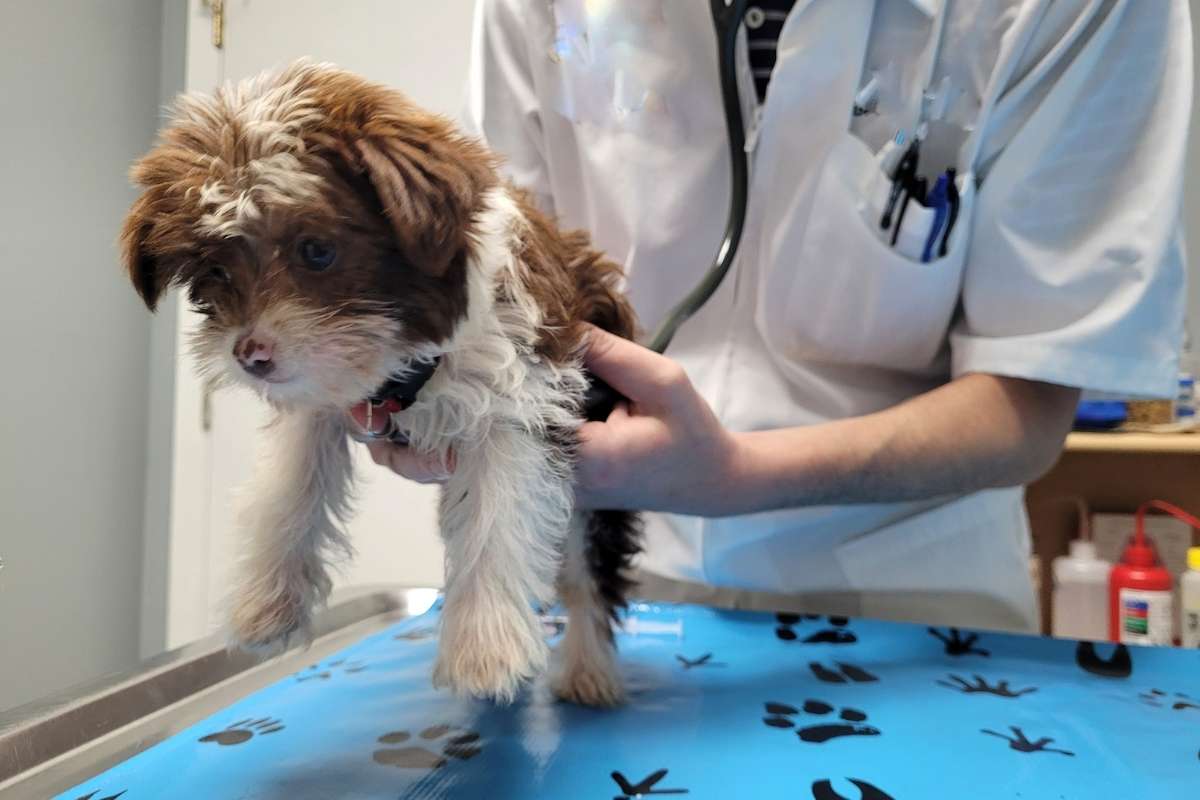
Every dog and cat needs a thorough nose-to-tail physical exam at least once a year. During this visit, your veterinarian will:
- Examine the eyes for redness or discharge
- Check the ears for infection or buildup
- Inspect the mouth, teeth, and gums
- Listen to the heart and lungs
- Palpate the abdomen for organ changes
- Assess joints, muscles, and mobility
- Evaluate skin and coat health
Because pets age faster than humans, even one year can bring noticeable changes. Therefore, annual exams are essential.
2. Vaccinations
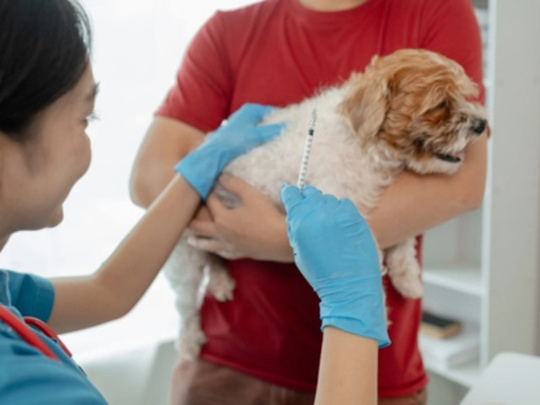
Vaccines protect against serious and sometimes fatal diseases. Your veterinarian will tailor a vaccination schedule based on your pet’s age, lifestyle, and exposure risks.
Core vaccines typically include:
- Rabies
- Distemper
- Parvovirus (for dogs)
- Feline viral rhinotracheitis (for cats)
Additionally, lifestyle vaccines may protect against Lyme disease, Bordetella, or feline leukemia. Staying current on vaccines protects not only your pet but also the wider community.
3. Dental Health and Oral Exams
Dental disease is one of the most common health issues in pets. In fact, many dogs show subtle warning signs before owners recognize a problem. Knowing the signs your dog has a tooth infection—such as bad breath, red gums, drooling, swelling near the jaw, or difficulty chewing—can prevent serious complications.
Annual dental exams allow veterinarians to detect plaque buildup, gum disease, and fractured teeth early. In many cases, professional cleanings are necessary to remove tartar below the gum line.
Healthy teeth and gums support overall health because bacteria from the mouth can travel to the heart, liver, and kidneys.
4. Parasite Prevention
Fleas, ticks, and intestinal parasites pose risks year-round. Therefore, preventive medications remain critical.
Your veterinarian may recommend:
- Monthly heartworm prevention
- Flea and tick protection
- Routine fecal testing
Heartworm disease, in particular, can damage the heart and lungs if untreated. Preventive medication is far safer and more affordable than treatment.
5. Bloodwork and Diagnostic Testing
Routine bloodwork provides insight into organ function, including the liver, kidneys, and thyroid. Even if your pet appears healthy on the outside, lab tests may reveal early changes.
For senior pets, especially, yearly blood panels help monitor internal health and detect disease before symptoms appear.
Additionally, urine tests and fecal exams contribute to a complete picture of your pet’s well-being.
6. Weight and Nutrition Assessment
Maintaining a healthy weight reduces strain on joints, muscles, and the heart. During annual visits, your veterinarian evaluates body condition score and recommends dietary adjustments if necessary.
Obesity increases the risk of diabetes, arthritis, and heart disease. On the other hand, unexplained weight loss could indicate underlying illness.
Balanced nutrition tailored to your pet’s life stage ensures optimal health.
7. Behavioral and Lifestyle Guidance
Preventive care also includes discussions about behavior, exercise, and environment. For example:
- Does your dog get enough daily activity?
- Is your cat experiencing stress or litter box issues?
- Are there changes in sleep patterns or appetite?
These conversations allow veterinarians to offer personalized recommendations that support emotional and physical health.
8. Senior Pet Considerations
As pets age, they require closer monitoring. Arthritis, dental disease, and organ decline become more common. Therefore, semi-annual visits may be recommended for senior pets.
Early intervention improves comfort and extends quality of life.
Local Preventive Care Matters
Weather patterns, local wildlife, and environmental factors influence health risks. In Bettendorf, IA, seasonal temperature changes can increase parasite exposure and impact joint health in aging pets.
Working with a trusted local veterinary team ensures your pet receives recommendations tailored to regional risks and lifestyle factors.
Preventive pet care is the foundation of lifelong health. By scheduling annual exams, staying current on vaccines, maintaining dental hygiene, and monitoring internal health, you give your dog or cat the best chance at a long and comfortable life.
If you are in Bettendorf, IA, and looking for an animal hospital near you, book an appointment with Maplewood Veterinary Center. Our compassionate team provides thorough wellness exams, personalized preventive plans, and dedicated care to help your pet thrive every year.
FAQs
Q1. How often should my pet have a wellness exam?
Ans. Most pets need an annual exam, though seniors may benefit from twice-yearly visits.
Q2. Are vaccines necessary every year?
Ans. Some vaccines require annual boosters, while others follow a multi-year schedule. Your veterinarian will guide you.
Q3. What are the common signs your dog has a tooth infection?
Ans. Watch for bad breath, red gums, swelling near the jaw, drooling, and difficulty chewing.
Q4. Why is bloodwork important if my pet seems healthy?
Ans. Lab tests detect internal issues before visible symptoms appear.
Q5. Do indoor cats still need preventive care?
Ans. Yes. Indoor cats still require vaccines, dental exams, and routine health monitoring.
Q6. How can I reduce my pet’s stress during vet visits?
Ans. Use familiar carriers, positive reinforcement, and calm handling techniques.