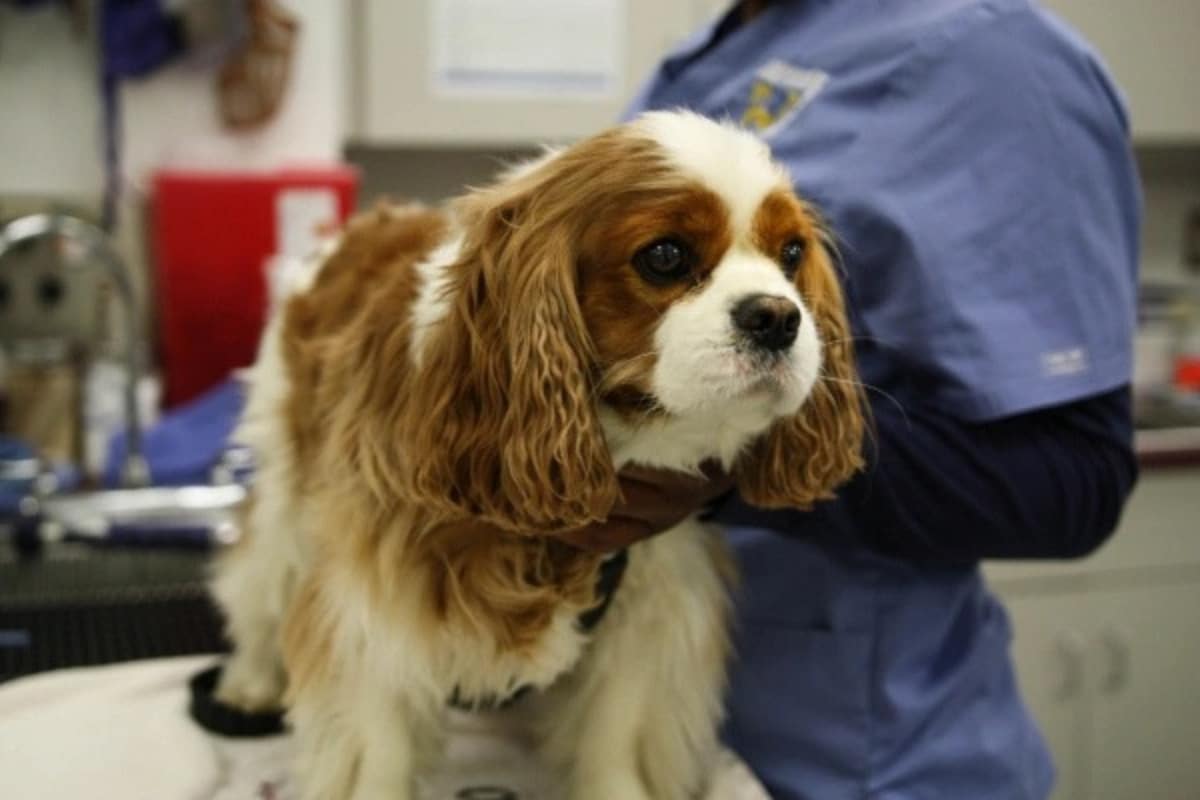
Routine wellness exams play an important role in keeping dogs and cats healthy throughout their lives. Even when pets appear active and happy, underlying health concerns may develop without obvious symptoms. Regular checkups help identify potential problems early and provide an opportunity to review preventive care needs.
A routine checkup at Maplewood Veterinary Center focuses on your pet’s overall health, from physical condition and dental health to vaccinations and parasite prevention. Working with a trusted veterinarian helps pet owners make informed decisions about their dog’s or cat’s long-term health.
Why Are Routine Wellness Exams Important for Pets?
Pets cannot explain when something feels wrong. Changes in appetite, behavior, activity levels, or body weight may be subtle signs of an underlying condition. Routine wellness exams help monitor these changes and identify concerns before they become more difficult to manage.
Regular checkups also allow veterinary professionals to assess your pet’s development, update preventive care recommendations, and adjust health plans according to age, lifestyle, and medical history.
What Does a Routine Dog and Cat Checkup Include?
Although every examination is tailored to the individual pet, several important areas are commonly evaluated.
1. Physical Examination
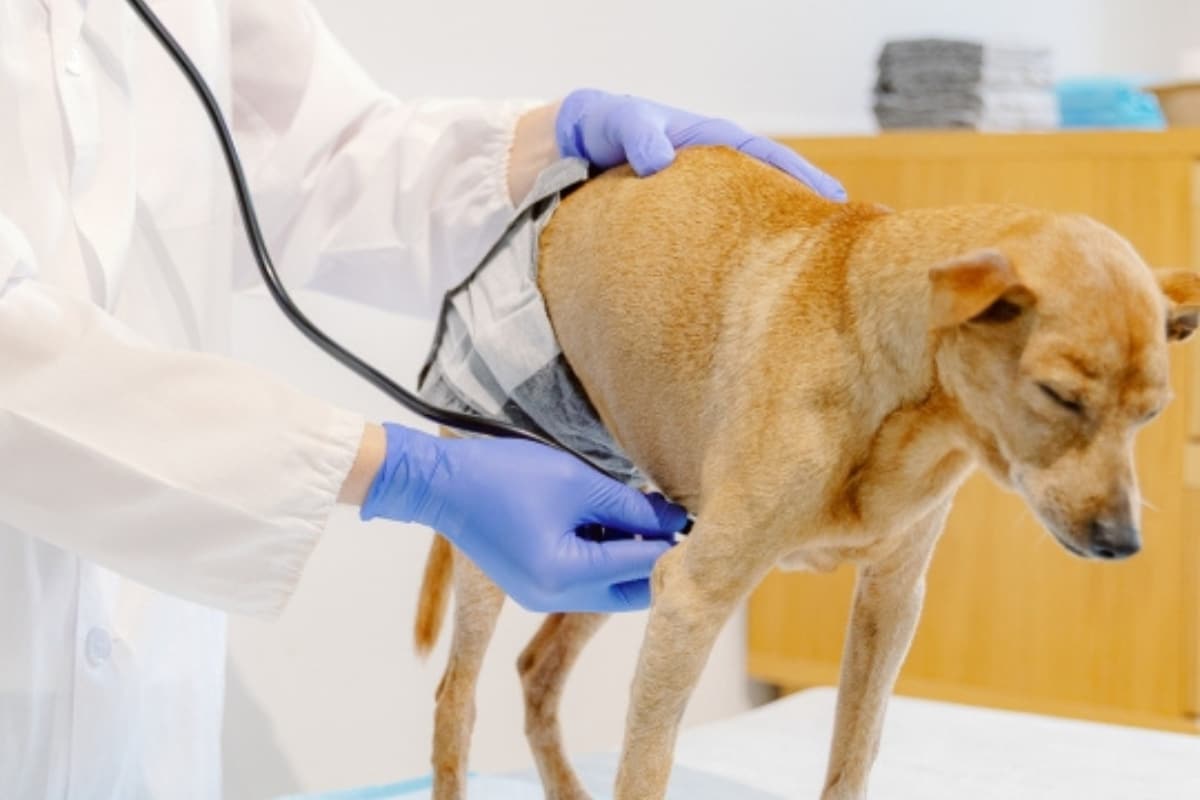
A physical examination provides an overall picture of your pet’s health. During the visit, the veterinary team may:
- Check the eyes, ears, nose, and mouth for abnormalities.
- Examine the skin and coat for irritation, lumps, or hair loss.
- Listen to the heart and lungs for unusual sounds.
- Check the abdomen for tenderness or abnormal swelling.
- Assess joints, muscles, posture, and mobility.
- Evaluate body weight and overall body condition.
These observations can help identify signs of infection, inflammation, discomfort, or other health concerns.
2. Vaccination Review
Vaccinations help protect dogs and cats against several infectious diseases. The recommended vaccines depend on species, age, lifestyle, exposure risks, and vaccination history.
During a wellness visit, the team reviews previous vaccination records and determines whether your pet needs initial doses, boosters, or other recommended protection.
3. Parasite Screening and Prevention
Internal and external parasites can affect your pet’s health even when symptoms are not immediately noticeable. Depending on your pet’s risk factors, screening may include fecal testing or other diagnostic evaluations.
Your pet’s prevention plan may address fleas, ticks, heartworms, and intestinal parasites. Recommendations can vary based on lifestyle and local exposure risks.
4. Dental Health Assessment
Dental problems can cause discomfort and affect eating habits. A routine checkup may include examining the teeth and gums for plaque, tartar buildup, redness, swelling, and other signs of oral disease.
If additional dental attention is needed, professional cleaning or further evaluation may be recommended.
5. Nutrition and Weight Management
Maintaining a healthy weight supports mobility, energy, and overall well-being. During the examination, the team may review your pet’s diet, feeding portions, activity level, and weight changes.
Personalized nutritional guidance can help address concerns such as obesity, food sensitivities, and changing dietary requirements as pets age.
6. Diagnostic Testing When Needed
A physical examination does not always reveal every health concern. Depending on your pet’s age, medical history, and clinical findings, additional testing may be recommended.
Blood work, urine analysis, fecal testing, and other diagnostic procedures can help evaluate internal organ function and identify potential health problems.
How Often Should Dogs and Cats Have Wellness Exams?
The recommended frequency depends on your pet’s age and health status.
- Puppies and kittens: More frequent visits are generally needed during early development for vaccinations, growth monitoring, and preventive care.
- Adult dogs and cats: Annual wellness examinations are commonly recommended for otherwise healthy pets.
- Senior pets: Checkups every six months may be beneficial because age-related conditions can develop or progress more quickly.
Your veterinary team can recommend an appropriate schedule based on your pet’s individual needs.
How Can Pet Owners Prepare for a Wellness Visit?
A little preparation can make the appointment more productive. Before visiting, consider:
- Bringing previous medical and vaccination records.
- Listing any changes in appetite, thirst, or bathroom habits.
- Noting unusual behaviors or mobility problems.
- Sharing details about your pet’s current food and medications.
- Preparing questions about nutrition, dental care, or preventive treatments.
These details help the veterinary team understand your pet’s health more completely.
Routine wellness exams are an essential part of responsible pet ownership. From physical examinations and vaccinations to dental assessments, parasite prevention, and diagnostic testing, regular checkups help support your pet’s health at every life stage.
If you are looking for a vet near you in Bettendorf, IA, Maplewood Veterinary Center provides comprehensive preventive care for dogs and cats. Schedule your appointment to discuss your pet’s wellness needs and develop a preventive care plan that supports a healthier, happier life.
Frequently Asked Questions
Q1. What happens during a routine dog or cat wellness exam?
Ans: A routine exam generally includes a physical assessment, weight check, dental evaluation, vaccination review, and discussion of parasite prevention. Additional testing may be recommended when needed.
Q2. Do indoor cats need regular wellness exams?
Ans: Yes. Indoor cats can still develop dental disease, obesity, kidney problems, and other health conditions. Regular checkups help monitor their health and identify potential concerns.
Q3. How long does a pet wellness examination take?
Ans: The duration depends on your pet’s health, age, and examination requirements. Additional diagnostic testing or consultations may require more time.
Q4. Are blood tests necessary during every wellness exam?
Ans: Not necessarily. Blood work is recommended based on factors such as age, medical history, symptoms, and examination findings. It can help identify certain internal health concerns.
Q5. How often should senior dogs and cats visit the veterinarian?
Ans: Senior pets may benefit from wellness examinations every six months. More frequent monitoring may be recommended if they have ongoing medical conditions.
Q6. Can a wellness exam help detect health problems early?
Ans: Yes. Regular examinations help identify changes in weight, physical condition, dental health, and other indicators that may suggest developing health concerns. Preventive care and appropriate diagnostic testing help the team at Maplewood Veterinary Center support your pet’s long-term well-being.