

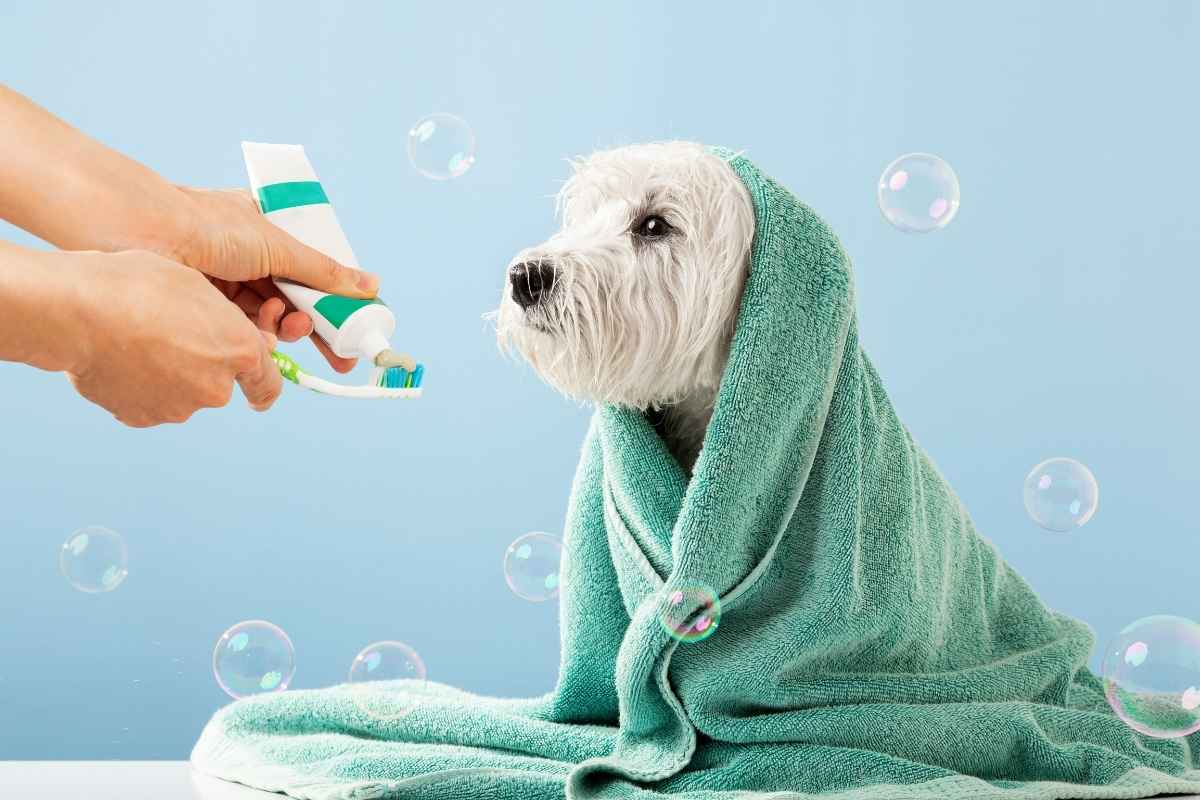
Choosing the Best Toothpaste for Dogs and Cats can feel overwhelming. After all, you want to protect your pet’s teeth, freshen their breath, and keep their gums healthy. However, not all toothpastes are created equal. Some products are safe and effective, while others may harm your pet’s mouth and overall health.
As a pet owner, you likely brush your own teeth daily to prevent plaque buildup and cavities. Similarly, your dog or cat needs consistent oral hygiene to maintain strong teeth, healthy gums, and a pain-free mouth. Without proper dental care, bacteria can accumulate along the gumline, causing inflammation, infection, and even tooth loss.
At Maplewood Veterinary Center, we often educate families about safe brushing habits and the right products for their furry companions. If you live in Bettendorf, IA, understanding how to choose the right toothpaste can make a big difference in your pet’s long-term health.
Let’s explore exactly what to look for — and what to avoid — when selecting the best toothpaste for your dog or cat.
Why Pets Need Special Toothpaste
First and foremost, never use human toothpaste on your pets. Human formulas often contain fluoride and xylitol. While fluoride may not always be immediately toxic, xylitol is extremely dangerous for dogs and can cause a rapid drop in blood sugar.
Moreover, pets do not spit toothpaste out as humans do. Instead, they swallow it. Therefore, their toothpaste must be completely safe for ingestion.
Specifically designed pet toothpaste helps:
- Reduce plaque on teeth
- Prevent tartar buildup along the gumline
- Support healthy gums
- Freshen breath
- Improve overall oral hygiene
When you use the Best Toothpaste for Dogs and Cats, you actively protect your pet’s mouth from painful dental disease.
Key Ingredients to Look For
1. Enzymatic Formula
Enzymatic toothpaste is often the top choice recommended by veterinarians. These formulas contain enzymes that help break down plaque and bacteria on teeth and along the gums.
Because enzymes continue working after brushing, they provide extended protection inside your pet’s mouth. Consequently, they reduce harmful bacteria that contribute to bad breath and gum inflammation.
2. Pet-Safe Abrasives
Mild abrasives gently clean the surface of teeth without damaging enamel. However, the abrasives must be specifically formulated for pets. Always read the label to ensure the product is designed for dogs or cats.
3. Veterinary Seal of Approval
Whenever possible, look for toothpaste that carries a veterinary dental seal or is recommended by a trusted clinic. Professional guidance ensures the product supports effective pet dental care.
Ingredients to Avoid
While shopping for the Best Toothpaste for Dogs and Cats, carefully check the ingredient list. Avoid products that contain:
- Xylitol
- Artificial sweeteners
- Fluoride (unless prescribed)
- High levels of alcohol
- Harsh foaming agents
These ingredients can irritate the gums, upset your pet’s stomach, or pose serious health risks.
Flavor Matters More Than You Think
Unlike humans, pets care more about flavor than minty freshness. Therefore, many pet toothpastes come in poultry, beef, peanut butter, or seafood flavors.
If your dog loves chicken, a poultry-flavored toothpaste can make brushing much easier. Similarly, cats often respond better to seafood flavors.
Because taste impacts cooperation, choosing a flavor your pet enjoys can transform brushing from a struggle into a manageable routine.
Consider Your Pet’s Specific Needs
Not every dog or cat has the same dental concerns. For example:
- Small breeds often experience faster plaque buildup on teeth.
- Senior pets may have sensitive gums.
- Cats are prone to gum inflammation and oral discomfort.
Therefore, consider your pet’s age, breed, and oral health history before selecting toothpaste. If your pet already shows signs of red gums, bleeding, or bad breath, consult your veterinarian before starting a new product.
Texture and Application Options
Toothpaste for pets comes in several forms:
- Gel
- Paste
- Foam
- Dental wipes
Gels and pastes are ideal when used with a soft-bristled pet toothbrush or finger brush. However, if your pet resists brushing, dental wipes may offer a temporary alternative.
Although wipes help reduce surface debris, brushing remains the most effective way to clean teeth and massage gums.
How Often Should You Brush?
Ideally, you should brush your pet’s teeth daily. However, even brushing three times per week significantly reduces plaque accumulation on teeth and improves gum health.
Start slowly. First, let your pet taste a small amount of toothpaste. Next, gently touch the toothbrush to their teeth and gums. Gradually increase brushing time over several days.
Consistency is key. Over time, your pet will become more comfortable with the routine.
Signs Your Pet Needs Dental Attention
Even with the Best Toothpaste for Dogs and Cats, professional dental exams are essential. Watch for these warning signs:
- Persistent bad breath
- Swollen or bleeding gums
- Yellow or brown tartar on teeth
- Drooling excessively
- Difficulty chewing
If you notice any of these symptoms, schedule a veterinary visit promptly.
The Role of Professional Dental Care
While toothpaste plays an important role, it cannot replace professional cleanings. Veterinary dental procedures remove hardened tartar beneath the gumline and allow for full oral evaluation.
Routine checkups ensure your pet’s teeth, gums, and overall health remain in excellent condition.
For families seeking expert guidance, Maplewood Veterinary Center provides comprehensive dental evaluations and customized recommendations for ongoing oral health.
Choosing the Best Toothpaste for Dogs and Cats: Final Thoughts
Selecting the right toothpaste is one of the simplest ways to protect your pet’s teeth and gums. By choosing enzymatic formulas, avoiding harmful ingredients, and selecting appealing flavors, you create a positive brushing experience.
Remember, strong teeth and healthy gums support your pet’s overall well-being. Preventive care today helps avoid painful dental disease tomorrow.
If you are in Bettendorf, IA, and looking for a veterinarian near you, schedule a visit with Maplewood Veterinary Center today. Our experienced team is ready to evaluate your pet’s oral health and help you choose the safest, most effective dental products for long-term protection.
FAQs:
Q1. Can I use human toothpaste on my dog or cat?
Ans. No. Human toothpaste often contains xylitol and other ingredients that are unsafe for pets.
Q2. What makes enzymatic toothpaste better?
Ans. Enzymatic formulas break down plaque and bacteria, continuing to work even after brushing.
Q3. How often should I brush my pet’s teeth?
Ans. Daily brushing is ideal. However, brushing at least three times per week still provides noticeable benefits.
Q4. What flavor toothpaste is best for pets?
Ans. Choose a flavor your pet prefers, such as poultry for dogs or seafood for cats.
Q5. Is brushing really necessary if my pet eats dry food?
Ans. Yes. Dry food does not adequately clean teeth or protect gums from plaque buildup.
Q6. When should I schedule a professional dental cleaning?
Ans. If you notice bad breath, swollen gums, tartar buildup, or chewing difficulty, consult your veterinarian promptly.