
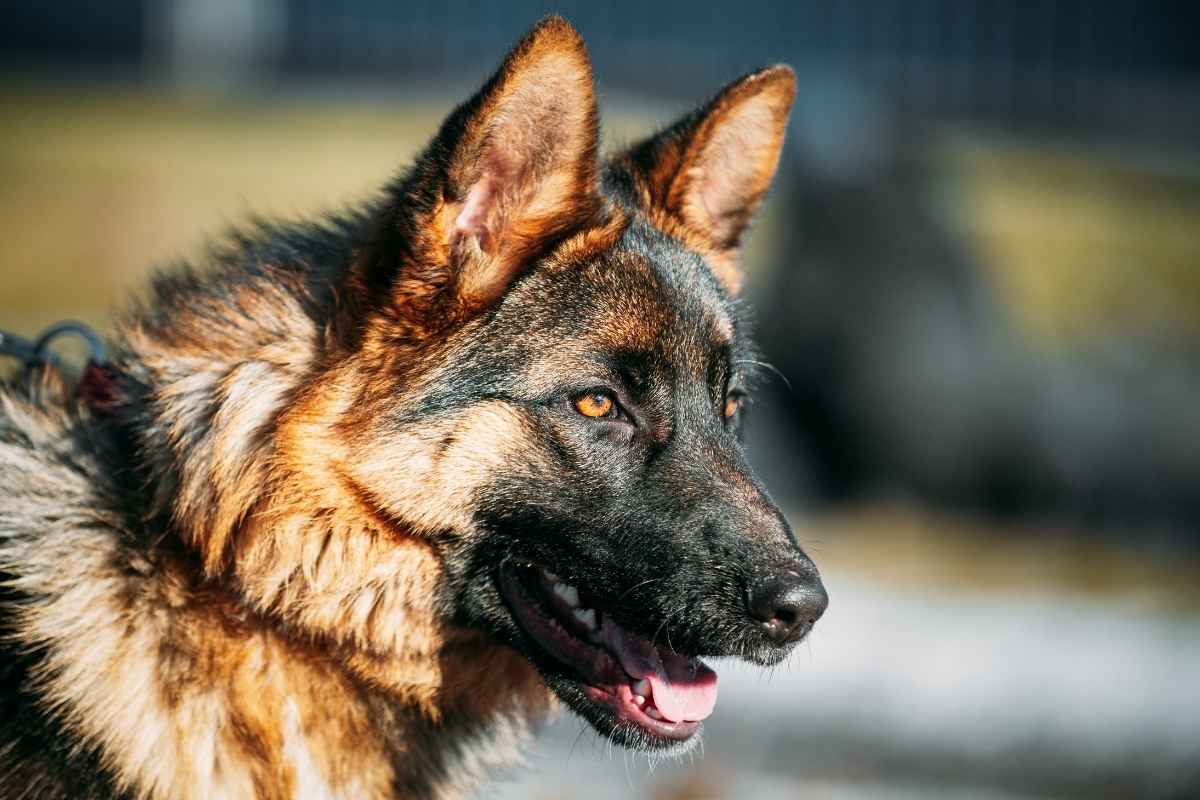
As an owner of a German Shepherd, be aware of the health issues that are common in this breed. One of these issues is hip dysplasia, a condition that can cause pain and difficulty with movement if left untreated. Recognizing and managing this problem early can help ensure your pet remains healthy and comfortable.
At Maplewood Veterinary Center, we want to help you understand what hip dysplasia is and how it can affect your German Shepherd. We will also provide simple steps you can take to help your dog stay comfortable and active despite this condition.
What is Hip Dysplasia?
Hip dysplasia is a genetic condition in which the hip joint does not develop properly. This results in an abnormal shape of the ball-and-socket joint, which can cause the joint to become loose. Over time, this misalignment may lead to arthritis, pain, and swelling. While this condition can affect many dog breeds, German Shepherds are more prone to it because of their size and the way their joints are built.
People enjoy outdoor activities such as hiking, walking, and running. German Shepherds are often seen going along on these adventures with their owners. Their active lifestyle can sometimes highlight health issues like hip dysplasia because the extra activity puts pressure on their joints.
How Hip Dysplasia Affects German Shepherds?
Hip dysplasia in German Shepherds can appear in different ways. The condition can be mild or severe and tends to worsen as the dog ages. Some dogs might not show any signs early on, while others may have noticeable discomfort even as puppies. Common signs include:
- Difficulty getting up or sitting down: Your German Shepherd might have trouble getting up after lying down, or may stand up slowly.
- Limping or favoring one leg: Over time, misalignment in the hip joint can cause a limp, particularly after exercising.
- Stiffness after exercise: Your dog may seem stiff or reluctant to move.
- Decreased activity levels: Due to discomfort, your German Shepherd might be less active or avoid activities they previously enjoyed.
- Arthritis: Hip dysplasia can lead to arthritis, causing joint pain, swelling, and limited movement.
Since Bettendorf has many beautiful parks and trails, German Shepherds enjoy running and exploring. However, if your dog shows signs of hip dysplasia, they may not be able to keep up, which can limit their chances to enjoy these activities.
Causes of Hip Dysplasia in German Shepherds
Hip dysplasia mainly comes from genetics. When both parents carry the gene, the chance that their child will inherit it increases. Still, environmental factors such as rapid growth, excessive weight gain in early life, and excessive exercise in early life can also contribute to the development of this condition.
The weather in Bettendorf varies, with cold winters and warm summers, and it can impact your dog’s joint health. When it is cold, the joints can become stiffer, which might worsen any discomfort or pain related to hip dysplasia.
Diagnosing Hip Dysplasia
If you think your German Shepherd might have hip dysplasia, have a veterinarian check your dog. Detecting issues early helps you find the best treatment options and manage your dog’s health before the condition gets worse.
Pet owners want to provide their dogs with the best care possible, which is why they seek comprehensive diagnostic services to check the health of their dog’s joints and learn the best steps to take for their well-being.
Treatment Options for German Shepherds With Hip Dysplasia
Although there is currently no cure for hip dysplasia, several treatment options are available that can help manage the condition and improve your German Shepherd’s quality of life.
The most suitable treatment plan will be tailored to your dog’s specific needs, taking into account the severity of the dysplasia, your dog’s age, activity level, and overall health.
1. Weight Management
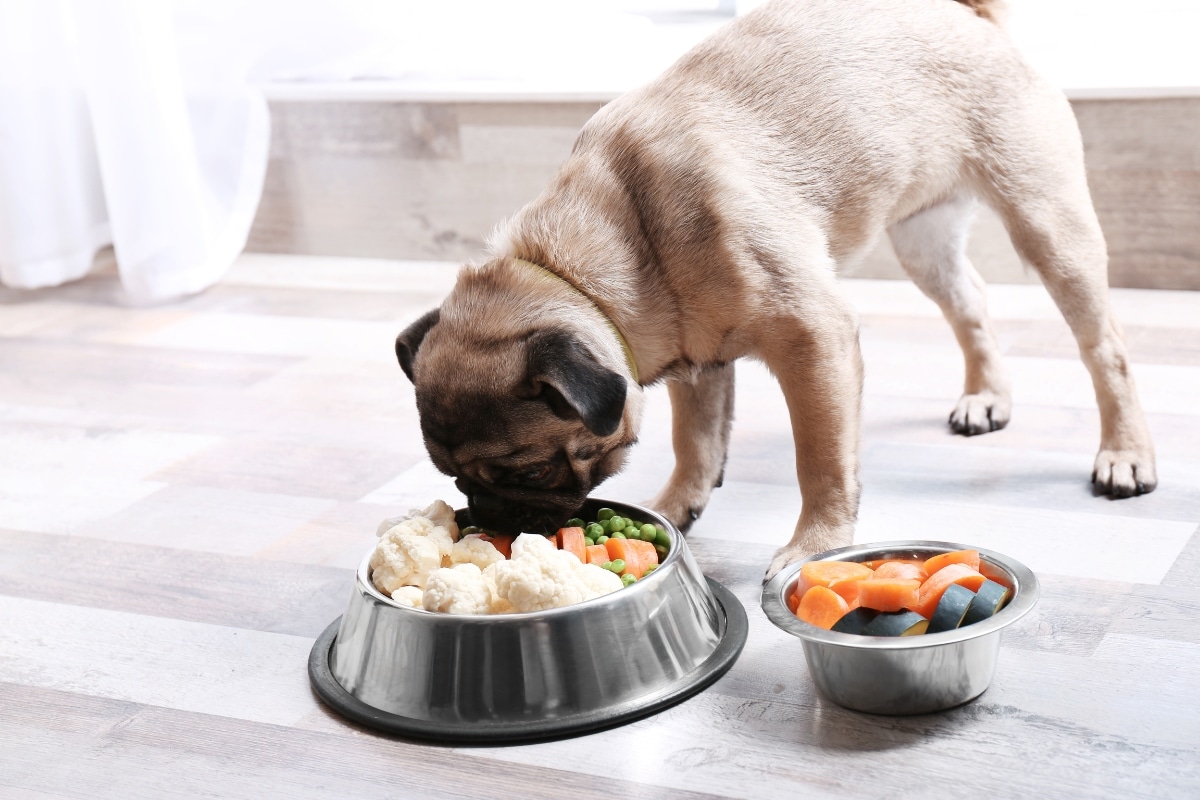
Keeping a healthy weight is crucial for reducing stress on your German Shepherd’s hips. Extra weight adds pressure to the joints, worsening pain and accelerating the progression of arthritis.
2. Exercise and Physical Therapy
Consistent, moderate exercise strengthens hip muscles and improves mobility. Swimming is ideal for dogs with hip dysplasia, as it’s joint-friendly and promotes muscle growth. Physical therapy, like joint mobilization and massage, can also enhance flexibility and reduce pain.
3. Pain Management and Anti-Inflammatory Medications
Non-steroidal anti-inflammatory drugs, or NSAIDs, are medications that can effectively reduce inflammation and ease pain. Your veterinarian might suggest pain-relief options to help keep your dog comfortable, and, if the condition is more serious, stronger medicines may be necessary.
4. Surgical Options
In more severe cases of hip dysplasia, surgery may be necessary. There are several surgical options, including:
- Hip Replacement Surgery: In cases where the hip joint has deteriorated significantly, a total hip replacement may be the best option to restore function and eliminate pain.
- Femoral Head and Neck Excision (FHO): This surgery removes the hip joint’s ball to prevent painful bone-on-bone contact, often for dogs with moderate to severe dysplasia who are unsuitable for hip replacement.
- Triple Pelvic Osteotomy (TPO): This surgery is usually advised for young dogs with hip dysplasia before arthritis develops. It involves cutting and rotating the pelvic bones to improve hip alignment.
Ways to Prevent Hip Dysplasia
While genetics play a significant role in the development of hip dysplasia in German Shepherds, there are steps you can take to help reduce the risk or minimize the impact of the condition on your German Shepherd:
- Avoid overexercising young dogs: During their growth phases, it’s crucial to avoid excessive running or jumping, as these activities can strain developing joints.
- Ensure proper nutrition: Offer a well-balanced diet that supports gradual, stable growth to help lower the risk of hip dysplasia.
- Regular veterinary check-ups: Regular veterinarian visits can detect early signs of hip dysplasia, enabling faster intervention and treatment.
Residents of Bettendorf enjoy spending time outdoors with their pets. Make sure your pet gets enough exercise during their early years to help prevent joint issues.
Helping Your German Shepherd With Hip Dysplasia
Hip dysplasia is a common issue in German Shepherds, but with the proper care, you can help ease their discomfort and support a good quality of life. At Maplewood Veterinary Center, we focus on providing your dog with the best possible care to help them remain active and happy despite this condition.
If you notice any signs of hip dysplasia in your German Shepherd, don’t hesitate to contact a qualified vet near you for a thorough examination and tailored treatment plan. Get the support you and your pet need every step of the way.
FAQs
Q1. How do I know if my German Shepherd has hip dysplasia?
Ans. Signs of hip dysplasia in German Shepherds include limping, difficulty standing or sitting, stiffness, and reluctance to move. If you notice any of these symptoms, consult your veterinarian.
Q2. Can hip dysplasia be cured?
Ans. There is no cure for hip dysplasia, but it can be managed with weight control, exercise, pain medications, and in some cases, surgery. Early intervention is key to preventing the condition from worsening.
Q3. Is surgery the only option for hip dysplasia in German Shepherds?
Ans. Surgery is not always necessary. Many dogs with hip dysplasia can live comfortably with non-surgical treatments like physical therapy, weight management, and medications. However, surgery may be considered for more severe cases.
Q4. Can my German Shepherd continue to exercise with hip dysplasia?
Ans. Moderate, low-impact exercise is beneficial for dogs with hip dysplasia. Activities like swimming and short walks are ideal. Avoid high-impact activities like running or jumping, which can worsen the condition.
Q5. What can I do to prevent hip dysplasia in my German Shepherd?
Ans. While hip dysplasia is mainly genetic, you can help prevent its severity by maintaining a healthy weight, avoiding excessive exercise in puppies, and providing a nutritious diet to support proper joint development. Regular vet visits are also crucial for early detection.