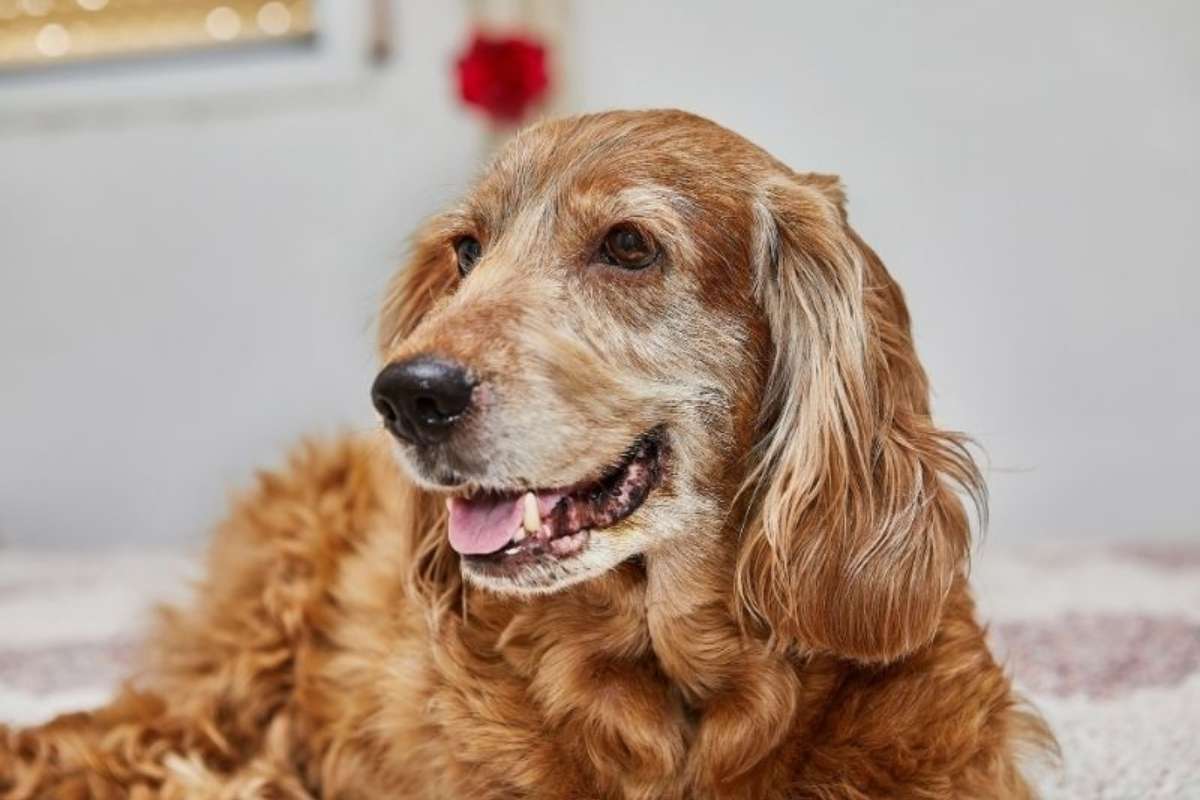
As dogs age, their activity levels naturally decline, but staying active is crucial to maintaining their health, mobility, and overall happiness. Older dogs can still enjoy regular exercise, but the key is tailoring routines to their age, physical abilities, and any underlying health concerns. A well-designed exercise plan keeps joints flexible, strengthens muscles, and helps prevent weight gain—all of which contribute to a longer, happier life for your senior companion.
In this guide, we’ll explore how to create a gentle, effective exercise plan for older dogs, with tips to ensure safety and enjoyment every step of the way.
Why Exercise Is Vital for Senior Dogs
Exercise isn’t just about burning calories. For senior dogs, it provides a multitude of benefits:
- Maintains joint health: Regular movement keeps cartilage nourished and reduces stiffness.
- Supports heart and lung function: Even gentle walks improve cardiovascular health.
- Prevents obesity: Slower metabolism in older dogs makes them prone to weight gain.
- Boosts mental stimulation: Exploring new scents and gentle play keeps their minds sharp.
- Enhances mood and quality of life: Activity releases endorphins that help manage anxiety and depression.
When creating an exercise plan, it’s essential to focus on low-impact activities that accommodate slower reflexes, arthritis, or other age-related conditions.
Assess Your Dog’s Current Health
Before introducing a new routine, check with your veterinarian. Consider:
- Weight and body condition: Overweight dogs may need shorter, more frequent walks.
- Joint or mobility issues: Arthritis, hip dysplasia, or previous injuries require low-impact options.
- Medical conditions: Heart disease, respiratory problems, or diabetes may limit intensity.
- Behavior and energy levels: Observe when your dog is most active and energetic during the day.
A health assessment ensures that your exercise plan is safe and sustainable, preventing unnecessary strain or injury.
Low-Impact Exercises for Older Dogs
Here are some gentle activities that keep senior dogs moving without stressing their joints:
1. Short Walks
- Divide longer walks into multiple short sessions (5–15 minutes each).
- Stick to flat, even surfaces to reduce strain on hips and knees.
- Gradually increase pace or distance if your dog tolerates it well.
2. Swimming and Water Therapy
- Water supports weight and reduces joint stress while providing a full-body workout.
- Many dogs enjoy swimming, and hydrotherapy can relieve arthritis discomfort.
3. Gentle Fetch or Tug
- Use soft toys and low-intensity games to engage your dog without high-impact jumps.
- Keep sessions brief, allowing rest breaks.
4. Indoor Enrichment
- Hide treats or favorite toys around the house for mild mental and physical stimulation.
- Puzzle feeders encourage movement and cognitive engagement.
5. Controlled Climbing and Steps
- Encourage gentle step-ups on low platforms or stairs.
- Avoid high jumps or uneven surfaces that could strain joints.
Tips for a Safe Exercise Routine
- Warm-up first: Begin with slow walking or stretching to prevent muscle strain.
- Watch for signs of fatigue: Panting, limping, or reluctance to move are indicators to stop.
- Adapt for weather: Avoid hot asphalt in summer or icy paths in winter.
- Maintain hydration: Older dogs may dehydrate faster during exercise.
- Consistency over intensity: Short daily activity is better than sporadic, intense sessions.
- Monitor behavior: Adjust exercises based on your dog’s comfort and energy levels.
If you notice any unusual stiffness, swelling, or loss of interest in activity, consult a veterinarian immediately. Regular check-ins help ensure your dog’s exercise routine remains safe and effective.
For those seeking professional guidance on keeping older pets healthy and active, senior pet care in Bettendorf, IA provides specialized advice and wellness plans tailored to aging dogs.
Meanwhile, for general veterinary services, Maplewood Veterinary Center offers comprehensive care for pets of all ages, ensuring they stay happy, healthy, and loved.
Older dogs can enjoy an active, fulfilling life with the right approach to exercise. Gentle, consistent routines help maintain mobility, prevent weight gain, and enhance mental well-being. By assessing your dog’s health, choosing low-impact activities, and monitoring their comfort, you can keep your senior companion spry, happy, and engaged.
Even small daily efforts make a significant difference, ensuring your furry friend enjoys every day to the fullest. Start slowly, be patient, and celebrate every playful moment.
Frequently Asked Questions:
Q1: How often should I exercise my senior dog?
Ans: Daily activity is ideal, but multiple short sessions totaling 20–30 minutes can be more manageable than one long walk.
Q2: What are the best low-impact exercises for dogs with arthritis?
Ans: Gentle walks, swimming, indoor enrichment, and controlled step-ups are excellent low-impact options.
Q3: Can older dogs gain fitness, or should I just maintain their current activity?
Ans: With proper supervision and gradual increases in intensity, senior dogs can improve strength and endurance safely.
Q4: How do I know if my dog is overexerted?
Ans: Watch for panting, limping, reluctance to move, or excessive fatigue. These are signs to pause or reduce activity.
Q5: Is swimming safe for all senior dogs?
Ans: Generally, yes, but always monitor your dog and avoid deep water if they are unsteady or have respiratory or heart conditions.
Q6: Can mental stimulation replace physical exercise for older dogs?
Ans: Mental activities are important, but cannot fully substitute for physical movement, which is crucial for joint and heart health.