
Pets are masters at hiding pain and discomfort, making it difficult for owners to know when something is wrong. Whether it’s a subtle behavioral change or a visible physical symptom, recognizing the early warning signs of illness in dogs and cats is crucial for timely treatment. Early detection not only improves recovery but can also prevent minor issues from becoming serious health problems.
In this guide, we’ll explore 10 common signs your dog or cat may be sick and share actionable tips to help you respond appropriately.
Why Early Detection Matters
Pets can’t tell us when they feel unwell, so owners must pay attention to physical changes, behavior, and routine habits. Catching illness early allows for:
- Timely veterinary care: Prevents conditions from worsening.
- Better prognosis: Early treatment increases the chances of full recovery.
- Reduced suffering: Minimizes discomfort for your furry companion.
- Cost efficiency: Treating minor issues early can prevent expensive procedures later.
Being observant and proactive is the best way to safeguard your pet’s health.
1. Changes in Appetite or Weight
A sudden increase or decrease in appetite can signal various health issues, from dental problems and gastrointestinal disorders to systemic diseases. Similarly, unexplained weight loss or gain should never be ignored, as it could indicate metabolic or chronic conditions.
2. Lethargy or Low Energy
If your pet suddenly seems tired, refuses to play, or sleeps excessively, it may be a sign of an underlying illness. Reduced activity can indicate infections, anemia, heart problems, or other health concerns.
3. Vomiting or Diarrhea
Occasional vomiting or diarrhea can be normal, but persistent or severe episodes are red flags. Continuous digestive upset can lead to dehydration and may be caused by infections, toxins, or organ issues.
4. Respiratory Changes
Coughing, wheezing, rapid breathing, or labored inhalation may indicate respiratory infections, heart disease, or allergies. Monitoring breathing patterns can help you catch problems before they escalate.
5. Behavioral Changes
Pets may act differently when unwell. Common behavioral shifts include:
- Increased irritability or aggression
- Withdrawal from family members or other pets
- Restlessness or pacing
- Excessive vocalization
Behavioral changes are often subtle but can be an early clue that something is wrong.
6. Skin and Coat Problems
A healthy coat is shiny and clean, while sudden hair loss, excessive scratching, redness, or flaky skin can signal allergies, parasites, or infections. Changes in fur texture or color may also indicate nutritional deficiencies or internal disease.
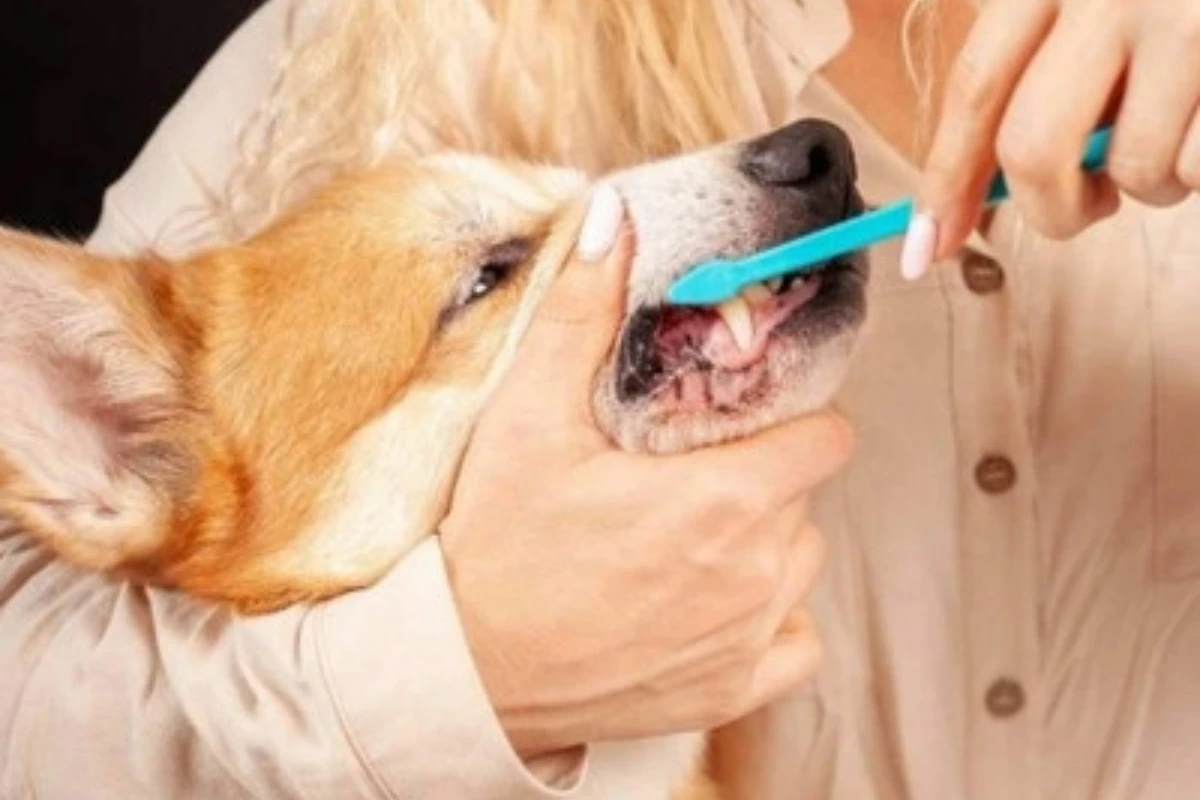
7. Oral Health Issues
Bad breath, drooling, difficulty chewing, or visible tartar may point to dental disease. Oral problems can be painful and impact your pet’s overall health. Regular check-ups and professional cleanings are essential for prevention.
8. Urination or Defecation Issues
Increased frequency, accidents in the house, straining, or blood in urine or stool can indicate urinary tract infections, kidney issues, diabetes, or gastrointestinal problems. Prompt evaluation by a vet is crucial.
9. Lumps, Bumps, or Swelling
New lumps, bumps, or swelling anywhere on the body should be monitored. Some may be harmless, but others could indicate tumors or abscesses requiring medical attention.
10. Eye, Ear, or Nose Abnormalities
Discharge, redness, cloudiness, or swelling in the eyes, ears, or nose can point to infections, allergies, or systemic illness. Early intervention often prevents worsening conditions.
If you notice any of these warning signs in your pet, a professional evaluation is important. For expert guidance on maintaining overall health, vet care in Bettendorf offers comprehensive wellness check-ups and diagnostic services for dogs and cats of all ages.
Tips for Monitoring Your Pet’s Health
- Keep a health journal: Track appetite, activity, bathroom habits, and any unusual behavior.
- Routine check-ups: Annual or semi-annual visits can catch issues early.
- Observe daily behavior: Even small changes can signal health concerns.
- Maintain vaccinations and preventives: Protect against common diseases and parasites.
- Groom regularly: Helps identify lumps, skin issues, or dental problems.
- Ask questions: Don’t hesitate to contact your veterinarian if you notice worrying signs.
Recognizing the common signs of illness in dogs and cats can make the difference between a quick recovery and a serious health crisis. By observing behavior, monitoring physical changes, and acting promptly, you give your pet the best chance at a long, healthy life. Early detection is always key, and professional guidance ensures the care your furry friend needs.
Even small daily observations can reveal subtle changes, allowing timely intervention and peace of mind. Stay attentive, proactive, and compassionate—your pets depend on you to keep them healthy and happy.
Frequently Asked Questions:
Q1: How do I know if my dog or cat is seriously sick?
Ans: Persistent vomiting, difficulty breathing, sudden lethargy, or significant behavioral changes are red flags that require immediate veterinary attention.
Q2: Can minor symptoms go away on their own?
Ans: Some mild issues may resolve, but it’s best to consult a veterinarian to ensure they aren’t signs of a serious underlying condition.
Q3: How often should I monitor my pet for health changes?
Ans: Daily observation is ideal, even for healthy pets. Noticing subtle changes early can prevent serious illness.
Q4: Are older pets more prone to illness?
Ans: Yes, senior pets are at higher risk for chronic conditions, so regular monitoring and preventive care are crucial.
Q5: What should I do if my pet hides symptoms?
Ans: Look for indirect signs like changes in appetite, bathroom habits, or behavior. If concerned, schedule a check-up promptly.
Q6: Can preventive care reduce illness risk?
Ans: Absolutely. Routine exams, vaccinations, dental care, and a healthy diet all contribute to better long-term health.