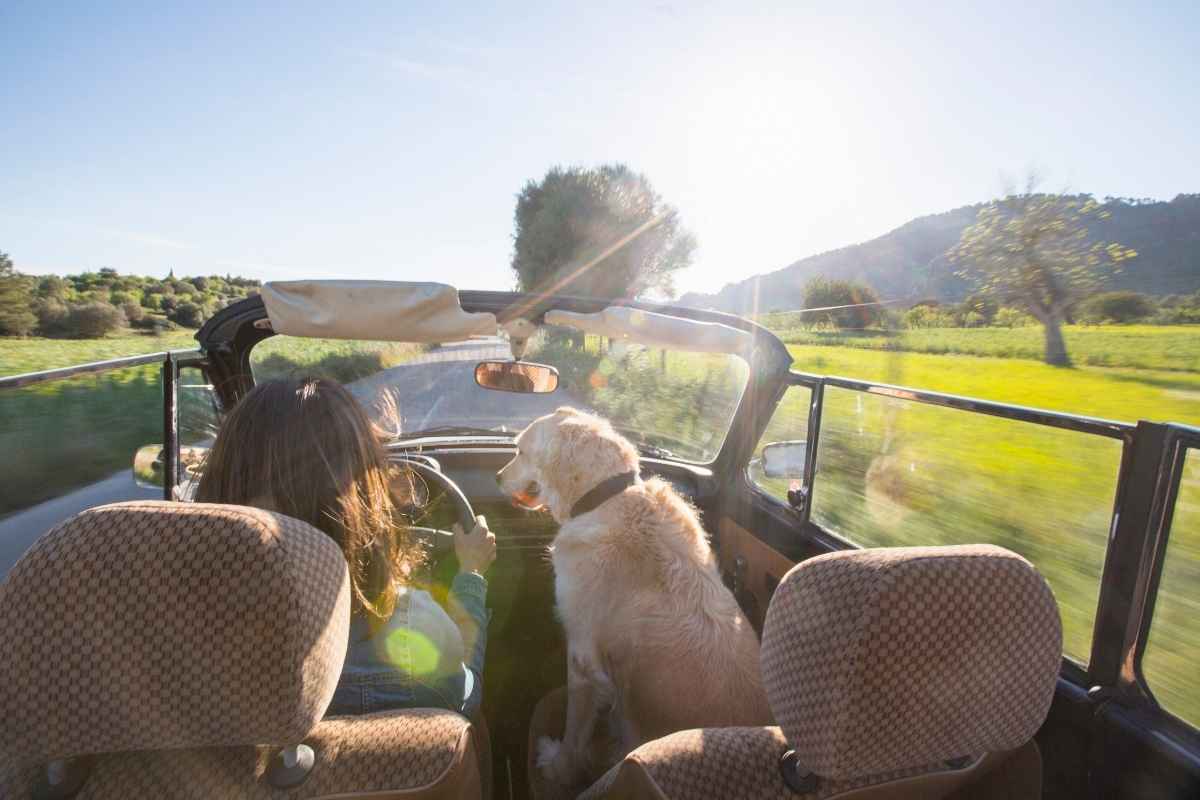
Summer road trips are a great way to explore new destinations, and for many pet owners, that means bringing their furry companions along. While traveling with pets can be rewarding, it also requires careful planning to ensure their safety and comfort. At Maplewood Veterinary Center, pet owners receive guidance on how to prepare for travel and avoid common risks associated with summer trips.
From heat exposure to travel anxiety, several factors can impact your pet’s well-being during long drives. Understanding how to manage these risks is essential for a smooth journey.
Why Summer Travel Can Be Risky for Pets
Warm weather introduces unique challenges for pets, especially during road trips. Cars can heat up quickly, even with windows slightly open, and pets are more vulnerable to dehydration and heatstroke than humans.
Additionally, unfamiliar environments, long hours in confined spaces, and irregular routines can lead to stress and behavioral issues. Proper preparation helps reduce these risks significantly.
1. Never Leave Your Pet in a Parked Car
Even on mild days, the temperature inside a parked vehicle can rise rapidly within minutes. This can lead to heatstroke, which is a life-threatening emergency.
- Always take your pet with you when you leave the car
- Park in shaded areas when possible
- Use climate control when the vehicle is occupied
2. Use Proper Restraints and Carriers
Safety restraints protect both pets and passengers. Unrestrained pets can become injured during sudden stops or accidents.
- Use a secure crate or carrier for cats
- Consider seatbelt harnesses for dogs
- Ensure carriers are well-ventilated and appropriately sized
3. Plan Frequent Breaks
Pets need regular breaks to stretch, hydrate, and relieve themselves.
- Stop every 2–3 hours
- Offer fresh water during each break
- Keep dogs on a leash in unfamiliar areas
- Use portable litter options for cats if needed
Routine breaks help reduce stress and prevent discomfort.
4. Keep Your Pet Hydrated
Dehydration is a common issue during summer travel. Always carry enough fresh water and a portable bowl.
- Offer water frequently, even if your pet does not seem thirsty
- Avoid feeding large meals right before travel
- Watch for signs of dehydration, such as dry gums or lethargy
5. Pack a Pet Travel Kit
A well-prepared travel kit ensures you have everything your pet needs on the road.
Include essentials such as:
- Food and treats
- Medications
- Leash and collar with ID tags
- Waste bags or litter supplies
- Favorite toys or blankets
Familiar items can help reduce anxiety during travel.
6. Manage Heat and Sun Exposure
Pets can overheat quickly, especially those with thick coats or short snouts.
- Use sunshades on windows
- Keep the air conditioning running
- Avoid traveling during peak heat hours
- Never allow pets to ride in the trunk or truck bed
Monitoring temperature is critical for preventing heat-related illnesses.
7. Address Travel Anxiety
Some pets experience stress or motion sickness during car rides.
- Take short practice trips before long journeys
- Keep a calm and quiet environment
- Use veterinarian-recommended calming aids if needed
- Avoid sudden changes in routine
If anxiety persists, consult your veterinarian for safe solutions.
8. Ensure Identification and Microchipping
Travel increases the risk of pets getting lost. Proper identification is essential.
- Use updated ID tags with contact information
- Consider microchipping for added security
- Carry recent photos of your pet
These steps improve the chances of a safe return if your pet becomes separated.
9. Schedule a Pre-Travel Veterinary Check
Before heading out, it is important to ensure your pet is healthy and ready for travel.
A pre-trip visit helps:
- Confirm vaccinations are up to date
- Address any underlying health concerns
- Discuss travel safety recommendations
For personalized travel advice and health checks, contact us at Maplewood Veterinary Center to help prepare your pet for a safe journey.
Traveling with pets during the summer can be a rewarding experience when done safely. By planning ahead, maintaining hydration, and ensuring proper restraints, pet owners can significantly reduce travel-related risks.
With the right precautions, pets can enjoy road trips just as much as their owners. Pet owners in Bettendorf, IA, and beyond can benefit from following these safety tips to ensure a comfortable and stress-free journey for their furry companions.
FAQs
Q1. Is it safe to travel with pets during the summer?
Ans. Yes, as long as proper precautions are taken to prevent overheating, dehydration, and stress.
Q2. How often should I stop during a road trip with my pet?
Ans. It is recommended to stop every 2–3 hours for hydration, bathroom breaks, and stretching.
Q3. Can pets get heatstroke in cars?
Ans. Yes, even with windows slightly open, temperatures can rise quickly and become dangerous.
Q4. What should I pack for my pet during travel?
Ans. Essentials include food, water, medications, identification, and comfort items like toys or blankets.
Q5. How can I calm my pet during travel?
Ans. Practice short trips, maintain a calm environment, and consult a veterinarian for additional support if needed.
Q6. Do pets need a vet check before traveling?
Ans. Yes, a pre-travel check ensures your pet is healthy and ready for the journey.